Adapting to Modern Trends with Online Chess Schools
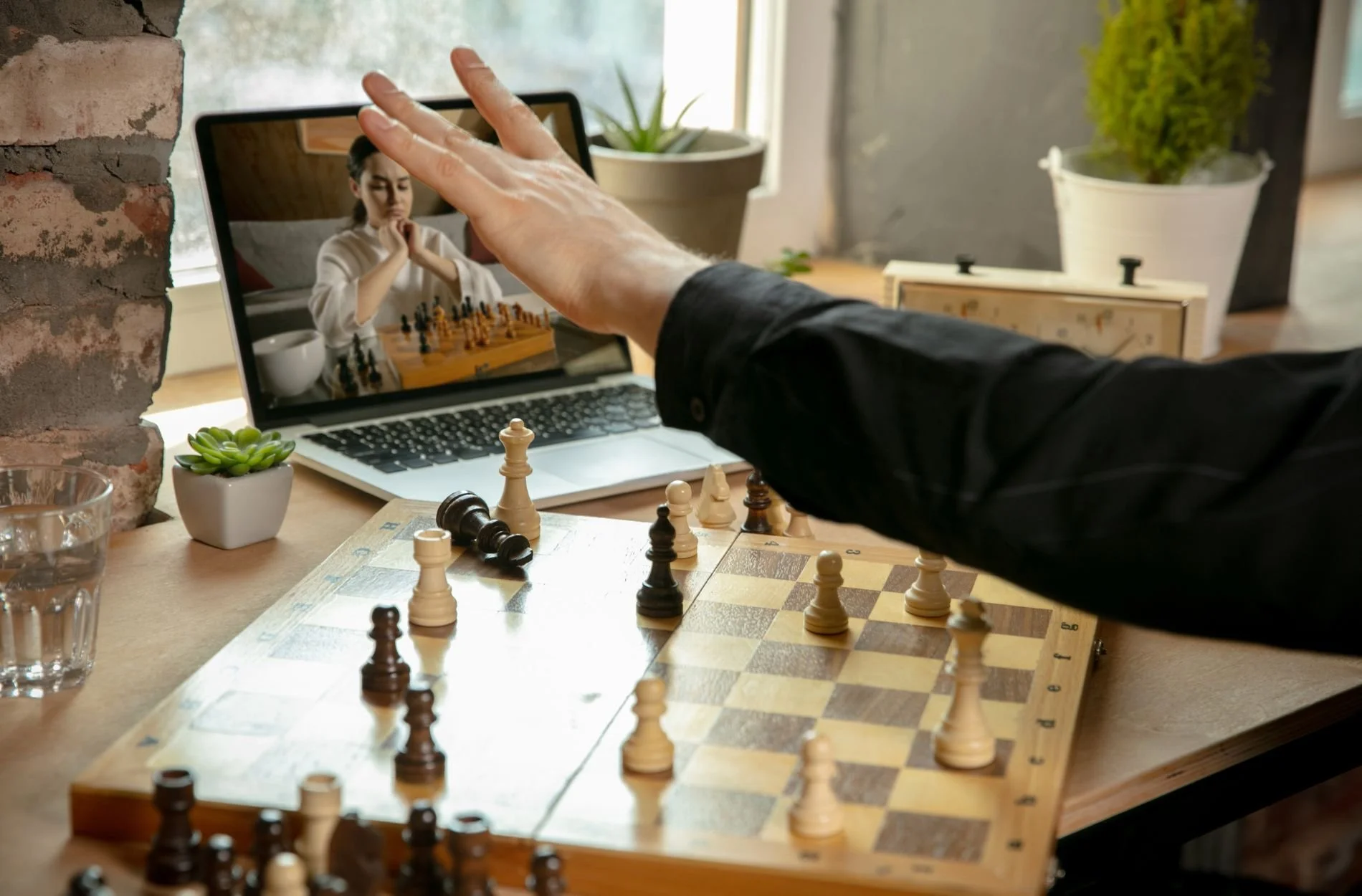
Learning today looks different than it did just a few years ago. A lot of students now use online tools for school, hobbies, and personal growth. One place where this change really stands out is in the way people are learning chess.
Online chess schools have made it easier for students to keep learning and improving, even when life gets busy. In Manhattan, where the pace of the day leaves little time for extras, having learning options that fit into tight schedules makes a big difference. And during winter, when many of us stay indoors more often, it becomes the right time to try something new, especially something that keeps the brain active.
Learning Chess from Anywhere
One of the biggest benefits of learning online is how flexible it is. With online chess lessons, there is no need to leave home, hop on a subway, or rearrange the entire day just to make it to class. This kind of learning is useful all year, but especially helpful in the colder months.
In February, streets in Manhattan can be icy, schedules are already packed, and people are trying to stay warm indoors. Being able to take a chess lesson right from the kitchen table or a quiet spot in the living room means it is much easier to stick with it.
• Students can meet with their coach from anywhere, even during a snow day
• It is easier to stay on track when lessons take less time to plan and get to
• Families dealing with homework and work-from-home plans do not need to add more stress
When things around us get complicated, the simple act of opening a laptop and joining a lesson can keep learning steady and calm.
A further advantage of learning chess online is the ability to access resources and materials instantly. Students can revisit class recordings or access interactive chess puzzles at any time, which helps reinforce lessons between sessions. This kind of on-demand support is especially valuable when balancing other responsibilities or schoolwork. For busy families in Manhattan, online chess lessons create a pocket of calm in otherwise hectic routines.
How Online Coaches Help Players Improve
One-on-one lessons with a coach often make the biggest difference in how students grow. During each session, the coach is focused only on that learner. There is time to ask questions, go over trouble spots, and get clear advice without feeling rushed.
Online chess schools give this kind of support while still letting the student move at their own pace. Everyone learns differently. That is why a good coach adjusts each lesson to fit the player.
• A coach can explain why each move matters, not just what the next move should be
• Students get instant feedback when they make a move and immediate support when they are unsure
• Players of all levels, from newer kids to confident adults, can feel comfortable learning with guidance
This tailored approach means students can focus on their weaknesses and steadily improve over time. As they build trust in their coach, they also start to trust themselves more, tackling new challenges and experimenting with creative strategies on the board.
Over time, this steady support helps every player feel more sure of their thinking and more confident in their play.
To further build on a student's strengths, coaches may assign practice activities or review games played between lessons. This ongoing feedback loop helps students apply what they've learned, identify new patterns, and celebrate small wins. This individualized approach is central to lasting improvement and higher engagement in learning.
Building Focus and Confidence Through the Game
Chess is more than a game about pieces on a board. It is a quiet space where we learn how to focus, think clearly, and manage what comes next. Those skills matter both during a match and outside of it.
The more someone plays, the more they get used to pausing and thinking before acting. That habit stays with them. Whether it is a decision at school or a choice at work, the way we practice during our games starts to show up in everyday choices.
• Chess helps kids and adults get better at noticing patterns and planning
• Learning to sit with a hard problem and keep working on it builds patience
• Each improvement, even small ones, feels like a personal win
The sense of achievement that comes from learning a new opening or mastering an endgame position helps reinforce self-confidence. Chess is uniquely positioned to show students that every bit of progress, however gradual, is meaningful. Players learn to set realistic goals and celebrate reaching them.
And when we notice we are solving things more easily or planning better outside of chess, that is a sign the practice is paying off.
Chess also offers the benefit of self-reflection. By reviewing past games, students can identify both strengths and mistakes, learning not to repeat errors and to build on what went well. This reflective habit supports self-growth not just on the chessboard, but throughout life.
Technology Meets Tradition
What makes online learning feel strong is not just the game being played. It is how the old and the new come together. We are using methods that have worked in chess for decades and pairing them with today’s tools to help learning feel smooth.
Online chess schools use things like screen sharing, video review, and online boards so both players and coaches can see the same thing at the same time. These tools help make remote lessons feel close and clear.
• Students can go back and watch how a game went and see where they got stuck
• Screen sharing makes game-by-game reviews easier to follow
• Live chats or shared moves let students see corrections happen in real time
In addition to these features, many online platforms include digital score sheets and annotated games, making it simple for learners to track their progress over weeks or months. When feedback arrives quickly and lessons can be paused or revisited, the learning process becomes more accessible and less stressful.
Even from a distance, the right tech helps players feel seen, heard, and supported.
The blend of classic teaching and modern technology also supports a wider sense of community. Students can connect with partners for practice games, participate in group lessons, or share insights in online forums, all from the comfort of home. This combination of solo and group learning helps motivation stay high, especially through the winter months.
Why Winter Is a Good Time to Start
February in Manhattan brings cold, dark evenings. People spend more time inside, and it can start to feel like every day blends into the next. That is why winter can be the right season to bring a new activity into the mix.
Indoor chess lessons do not depend on the weather. They fit into small routines and can bring some structure to a quiet evening or a snowed-in weekend. Even when energy is low or the outdoors feels uninviting, learning a little bit at a time can help shake off the winter fog.
• A short game or lesson can become a cozy part of a weekday evening
• Students can stay active without leaving home
• Working toward a small skill each week gives people something consistent and positive
Starting a regular indoor habit can make the winter months more enjoyable. While the wind howls outside, families can settle in and focus their energy and attention where it counts, on learning and connection. For both adults and kids, having a weekly lesson to look forward to adds a sense of purpose and rhythm to the week.
Learning something steady like chess helps slow the drift that sometimes comes with cold-weather routines.
Even brief moments of engagement, like a casual game between dinner and bedtime or a short practice session after homework, provide welcome breaks from screens and distractions. This can refresh the mind, ease the monotony of cold weather, and help maintain a positive attitude as winter stretches on.
Growing Smarter with Every Move
Learning through online chess schools offers much more than just better games. The effort to understand a strategy or stick with a challenge brings real growth in how we think and how we focus. These lessons show up in how quickly we solve everyday problems, how we plan our time, and how we handle pressure.
As players grow, their lessons grow along with them. What felt tricky last month feels simple this month. New ideas come into reach. And with each step forward, there is a quiet kind of confidence that starts to build. That confidence is not loud, but it lasts.
Chess teaches us how to slow down, pay attention, and make thoughtful choices. When we work on those skills week after week, even during the chill of February, we are getting better at chess and learning how to think more clearly no matter what is on the board.
The journey does not end after a lesson wraps up. Skills learned in chess ripple outward, so tomorrow’s schoolwork or next week’s project all benefit from stronger focus and better planning. The practice doesn’t just change chess players, it quietly uplifts everyday life.
Stay sharp and engaged at home in Manhattan, New York, this winter with our personalized chess lessons designed for learners of all levels. Our flexible scheduling and one-on-one coaching make it simple to fit meaningful learning into your routine. With our online chess schools, you will experience real connection and steady support every step of the way. Reach out to United States Chess Academy today to get started.