Best Practices For Engaging In-Person Chess Classes In Manhattan For All Levels
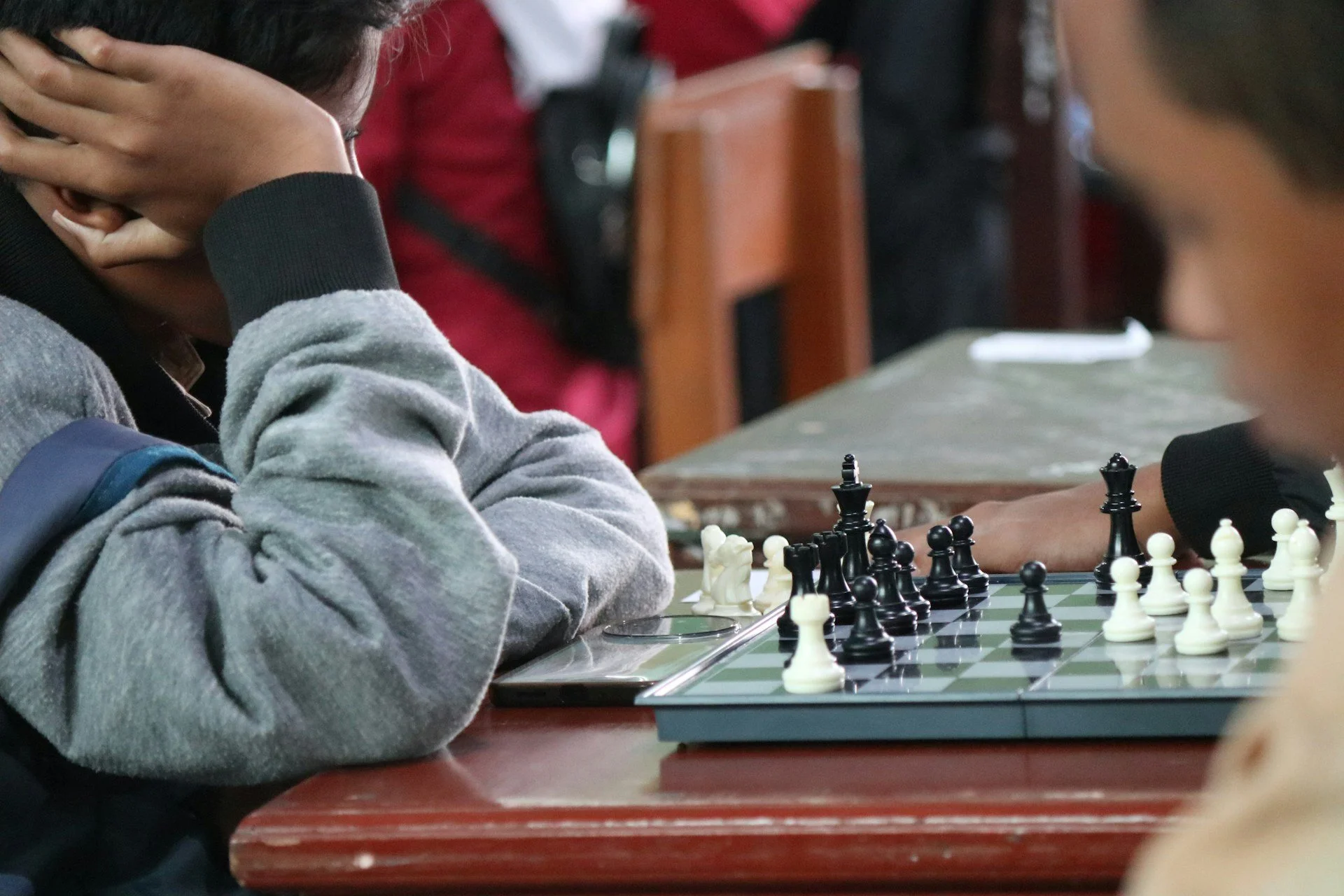
When winter settles in across Manhattan, we tend to slow down. Days are shorter, temperatures drop, and we often spend more time indoors. It's the perfect season for activities that help us stay focused and feel productive. That’s where in-person chess classes come in. They offer a steady place to think clearly, challenge ourselves, and connect with others face-to-face.
Whether you're just starting out or have been playing for years, learning in person brings something extra to the table. You’re not playing alone on a screen. You’re moving real pieces, reading your opponent’s energy, and staying sharp in a room where everyone’s focused on the same game. A chess class in real life adds structure to your week and gives you a chance to improve in a friendly, active way.
Finding the Right Class for Your Level
Taking a class that meets you at the right level makes a big difference in how much you enjoy the experience. It helps when groups are formed by skill level, so you’re matched with people who play like you, and you can grow together. Joining a group that is too advanced or too easy can make learning slow or frustrating.
Before starting a class, we usually check in with an instructor or coordinator to figure out the best fit. Sharing your goals or experience level makes it easier to find the right group.
• If you're new, a beginner class will help with the basics, like piece movement, checkmate patterns, and game rules.
• Intermediate players often work on deeper strategy and preparing for timed games.
• Advanced groups may focus more on tactics, endgames, or analyzing past moves.
Once you're in the group that fits, it becomes easier to stay motivated. You’re not just learning, you’re keeping pace, making progress, and growing with people who are right there with you.
Building Focus with a Regular Class Routine
One great thing about in-person learning is that it gives shape to your week. Coming to class at the same time each week helps build rhythm. It turns chess into a regular habit instead of something you only do once in a while. That’s good for focus and for steady improvement.
We all have different times that work best. Some people join a class after work. Others make time on a weekend morning. What matters is finding a time that’s easy to stick with. If it fits well into your current routine, you're more likely to show up and stay on track.
• Pick a time that fits with your energy, morning, afternoon, or evening.
• Stick with it each week to build consistency.
• Little by little, the time becomes a part of your routine, and your progress builds up.
Regular class habits help your brain know it’s time to focus, think, and play. During the slower, colder months, this kind of routine can help keep your weeks balanced and less scattered.
Learning from a Coach Face-to-Face
When you can ask questions right in the middle of a game, learning happens faster. That’s one of the biggest advantages of learning in person. Coaches see what you’re doing wrong or right as it happens and can help you adjust right away. That kind of feedback is hard to match online.
It’s not just about pointing out mistakes. It’s about hearing why a move did or didn’t work. A coach can help you spot habits, rethink your approach, or slow down at key moments. These little changes add up over time and help you get stronger.
• Coaches see your thought patterns and guide them in real time.
• You get clear answers quickly when you're unsure.
• Practicing moves side by side helps connect the lesson with the board more clearly.
And when you start to improve, it’s easier to notice in person. Coaches see your progress firsthand, and the encouragement feels more real when someone’s sitting across from you, noticing how far you’ve come.
Connecting with Other Players
Chess feels different when you're not just playing by yourself. In-person classes give space to meet others who enjoy the game like you do. That shared learning adds energy to each session. You learn together, support each other, and get better by watching others think through their own moves.
Some of the best lessons happen just by seeing what someone else tries during a match. You might spot an idea you hadn’t considered or talk through a move that didn’t work. These side conversations help the game click in new ways.
• Playing face-to-face builds quicker instincts and better timing.
• Watching other games adds new ideas to your own playbook.
• The classroom atmosphere brings focus but also leaves room for questions and side tips.
Being part of a group keeps learning from feeling too serious or lonely. Everyone is growing in their own way, but there’s a shared sense that you’re all moving forward together.
Better Weather, Better Focus
By the time late December rolls around in Manhattan, most of us are looking for something to anchor our weeks indoors. Windy walks and crowded commutes may feel less inviting, so it’s a great time to add meaningful indoor time to your schedule.
In-person chess classes are a solid option. They’re steady, screen-free, and built for focus. Cold weather is actually a great reason to commit to activities that keep us sharp without having to wrestle with a long list of outdoor plans. And when we take a break from screens, it helps clear the mental clutter that builds up during winter.
• Indoor learning focuses the brain when distractions are high.
• Less time spent scrolling or streaming means more active learning.
• Face-to-face games help bring attention back to the present moment.
Getting into this habit during winter gives a mental boost right when we need it most.
Progress That Stays With You
A lot of good habits start small. That’s how learning sticks. We come to class, sit down, focus, and practice. We look back a few weeks later and realize how far we’ve come. This kind of steady work builds real progress.
When chess becomes part of your winter rhythm, it doesn’t just end when the season changes. It carries into the next part of the year. You keep thinking clearly. You approach problem-solving with more patience. And the confidence you build at the board shows up in other moments, too.
• Regular in-person practice makes your progress feel real and steady.
• Learning in a structured way helps lessons last longer over time.
• Whether you're new, experienced, or somewhere in between, the time you spend learning now brings results that stick.
In-person chess classes are a smart way to spend your time this winter, focused, active, and surrounded by people who are learning like you. Structured learning helps everything settle into place as the year winds down and a new one begins. When you're ready to work on your game, we’re ready to welcome you. Classes are available for all skill levels and ages. You’ll find a spot that fits. Visit United States Chess Academy to learn more.
Located in Manhattan, New York, our in-person chess classes offer a focused and supportive environment to help you stay sharp this winter. At United States Chess Academy, we provide a calm space where you can ask questions, work through challenges, and strengthen your strategy alongside others. Whether you are learning the basics or refining advanced skills, our steady in-person guidance helps you make real progress. Reach out today to find a class and schedule that fits your goals