Choosing Between Chess Classes and Tournaments for Kids
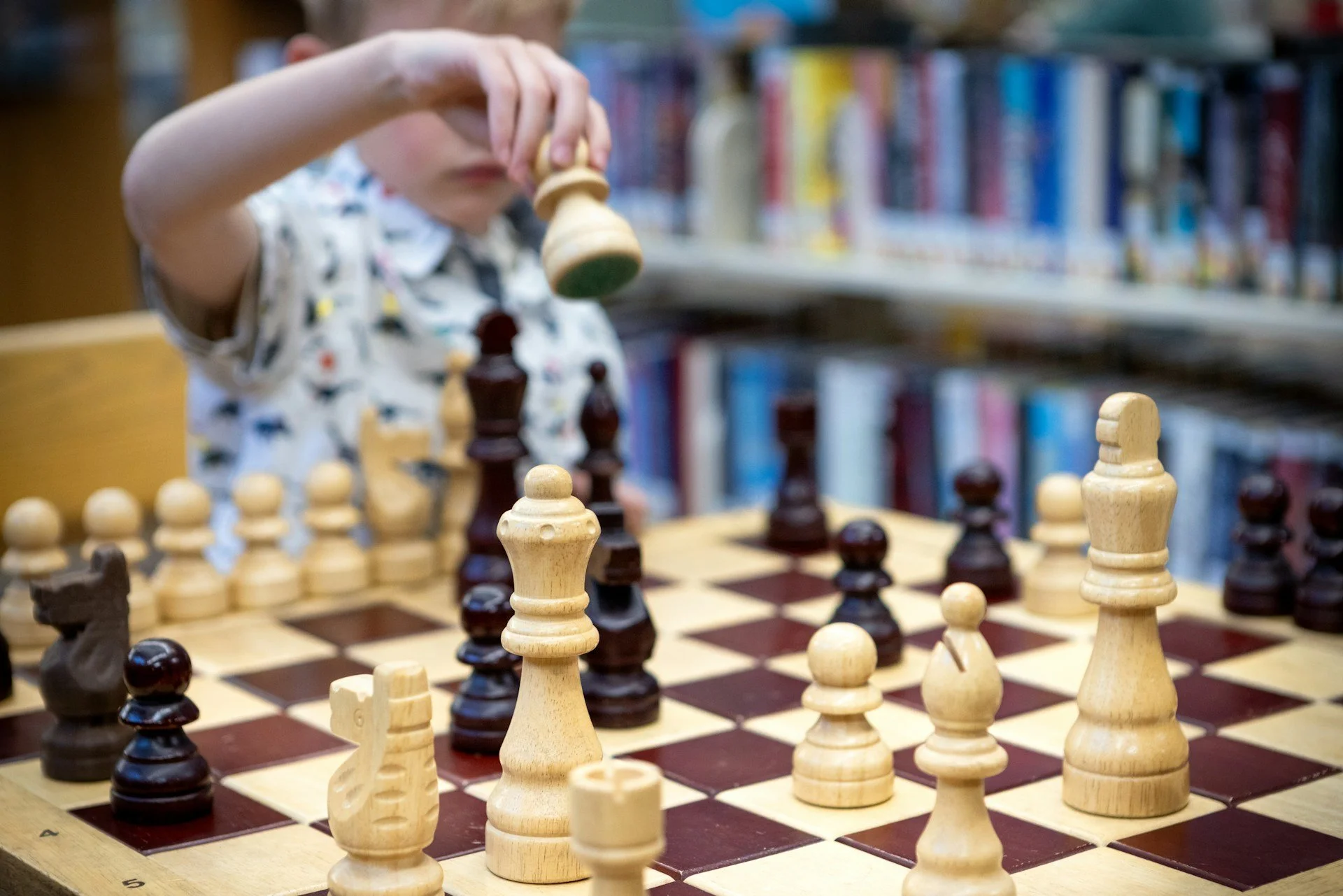
Help Your Young Player Make the Right Chess Choice
Choosing between chess classes and tournaments can feel confusing. Your child loves the game, you see their eyes light up at the board, but your time and budget are limited. Should you focus on weekly lessons, start signing up for scholastic chess tournaments in Brooklyn, or try a mix of both?
The truth is, there is no one right path for every child. The best choice depends on age, personality, goals, and how much time your family can give to chess. Classes build knowledge and habits, while tournaments build courage, focus, and real-world experience. Our goal is to help you see when to focus on learning, when to add competition, and how a balanced approach can keep your child growing and enjoying the game.
How Kids Actually Learn and Grow at Chess
Kids do not improve at chess just by playing random games. Casual play is fun, but real growth comes from a plan. That means:
Learning basic checkmates and tactics
Understanding opening principles, not long memorized lines
Practicing simple endgames
Talking through moves and ideas out loud
Young brains love patterns. At early ages, kids learn best from repetition, stories, and clear visuals. They enjoy puzzles like “find checkmate in one move” and short games with a clear goal. Older kids can handle deeper strategy, longer calculation, and thinking a few moves ahead.
Emotions grow too. Chess teaches:
How to handle mistakes without giving up
How to stay focused for longer periods
How to feel proud of small wins before big challenges
For many families, the middle of the school year is a natural time to move from casual club play to more structured learning. Kids have a routine, they are settled into school, and they are often ready for a new challenge that stretches their thinking in a healthy way.
What Structured Chess Classes Give Your Child
Well-run chess classes give your child a roadmap instead of random tips. With a step-by-step curriculum, titled coaches can help your child avoid common bad habits and build strong basics.
Good classes usually include:
Clear lesson goals, like “checkmates with queen and rook”
Guided practice with puzzles and example games
Time for your child to play, then review what happened
Direct, kind feedback from an experienced coach
In class, kids learn how to think, not just what to play. They build habits like:
Asking “If I go here, what can my opponent do?” before every move
Managing the clock so they do not rush or freeze
Making a plan instead of grabbing the first move that “looks good”
Group classes add something extra. Kids:
Explain their ideas out loud
Listen to others’ plans and compare them
Learn to be respectful when they win and when they lose
At United States Chess Academy, we teach both online and in person in New York City. That flexibility lets families fit chess around school, other activities, and family time, while still getting regular, structured training.
What Scholastic Tournaments Really Teach Kids
Scholastic tournaments are organized events for kids, usually split by age or grade, sometimes also by rating. Games are played with real clocks and clear rules. Many events give a US Chess rating so progress can be tracked over time.
From the outside, tournaments can look intense. From the inside, they are powerful classrooms for life skills. Kids learn to:
Manage nerves when the round starts
Bounce back from a loss and focus on the next game
Sit still and think carefully for a long time
Finish what they started, even when tired
Parents often worry that their child will be crushed by stronger players. In practice, tournaments are supervised, structured, and rule-driven. Players are paired by age and strength, so beginners are not thrown against experts. Tournament directors are there to keep things fair and safe.
In many areas, including Brooklyn, spring weekends often bring a wave of scholastic events. That timing works well when a child has had a few months of classes, knows the basics, and is ready to test their skills in a real game setting.
When Your Child Is Ready for Tournaments
How do you know if your child is ready for a first event? Here are some simple signs of chess readiness:
Can checkmate with basic patterns, like king and queen versus king
Knows how the chess clock works in simple terms
Understands check, checkmate, stalemate, and draws
Can focus on one game for 30 to 45 minutes
Emotional readiness matters just as much. Your child is likely ready if they:
Can lose a game without a full meltdown
Can follow directions from adults they just met
Are curious about “how strong” they are compared with others
A gentle path looks like this:
Start with friendly games and fun mini events inside class.
Try a small unrated or in-house tournament that feels casual.
When rules and etiquette are comfortable, move to local scholastic chess tournaments in Brooklyn or nearby areas.
There is no “too late” to start. Older beginners often move to tournaments faster, because they are used to structure, rules, and mild pressure from school and other activities.
Finding the Right Balance of Classes and Events
The best mix of classes and tournaments changes as kids grow. As a simple guide:
Ages 5 to 8: Focus mainly on classes, plus an occasional fun event to keep things exciting.
Ages 9 to 12: Keep regular instruction, and add more frequent local tournaments.
Teens: Mix steady training with regular rated events to keep them motivated and improving.
Tournaments are great feedback for what to learn next. Common results often point to:
Missed tactics: coach adds more puzzle work and pattern drills
Time trouble: lessons on time management and quick decision rules
Endgame mistakes: more practice with simple endgames
Opening confusion: learning basic plans, not long memorized lines
Parents also need to guard against burnout. A helpful rule is to:
Aim for one or two tournaments per month, not every weekend
Leave some weekends fully free from chess
Adjust around school tests, holidays, and family plans
At United States Chess Academy, we help families plan a path that fits each child. We offer assessments, level-based classes, and guidance on which scholastic events in New York City, including Brooklyn, are a good match for your child’s stage and personality.
Take the Next Step in Your Child’s Chess Growth
Chess should feel like an exciting adventure, not a constant test. Whether your child starts with classes, tournaments, or a mix of the two, the goal is steady growth, healthy challenge, and a real love of the game.
With thoughtful choices about when to learn and when to compete, your child can gain much more than trophies. They build patience, resilience, and clear thinking that will help them far beyond the chessboard.
Help Your Child Gain Confidence Through Competitive Chess
If your student is ready to take the next step from casual play to structured competition, we are here to guide that journey. Explore our carefully organized scholastic chess tournaments in Brooklyn that are designed to challenge young players in a positive, supportive environment. At United States Chess Academy, we focus on building both strong chess skills and real-world confidence. Have questions about which event is right for your child or how to get started, simply contact us and we will help you choose the best path forward.