Chess Academy Options for Young Players
When kids show interest in learning chess, the next big question is where to begin. Many families start looking into chess academies once their child moves beyond just playing for fun and starts wanting to improve. These programs mix structure and encouragement, which can make learning feel exciting instead of overwhelming.
With winter nearly done and spring coming soon, this is a smart time to start thinking about learning goals. Kids often have room in their schedules before the busy school months return. Whether you're nearby in Manhattan or learning from other areas, there are programs that can help young players build real skills while still having fun with the game. Finding the right fit is about more than just playing, it’s about helping your child enjoy new challenges, meet friends, and build habits that last.
Getting Started: What Young Players Really Need
Most kids begin by learning the basics, how the pieces move, what checkmate means, or how to set up the board. But just learning the rules doesn’t get them far unless they feel supported while practicing. The goal is to grow their interest, one step at a time. Fostering curiosity without pressure allows students to become more comfortable with each part of the game, making every small achievement feel important.
A good setting keeps learning light, even when the lessons get harder
It gives kids space to ask questions, try out ideas, and learn without fear of making mistakes
Classes with a steady rhythm help build strong habits, like thinking before moving and noticing patterns
When the learning space feels safe and balanced, kids tend to focus better. They stay curious longer, and they begin to think ahead, just like more experienced players. Encouraging steady improvement removes the fear of making mistakes, helping children take ownership of their progress and participate with enthusiasm.
Sometimes progress isn’t always obvious from week to week, so celebrating each improvement makes a difference. Kids find it easier to keep coming back to lessons when they feel understood and when even small growth is recognized. Taking time to appreciate their curiosity and perseverance helps turn learning chess into something they truly look forward to, instead of a task they have to finish.
Different Kinds of Classes Available
No two kids learn exactly the same. That’s why it helps to have options. Some young players thrive in group settings where they can learn with others, while others might prefer a quiet lesson with just one coach guiding them.
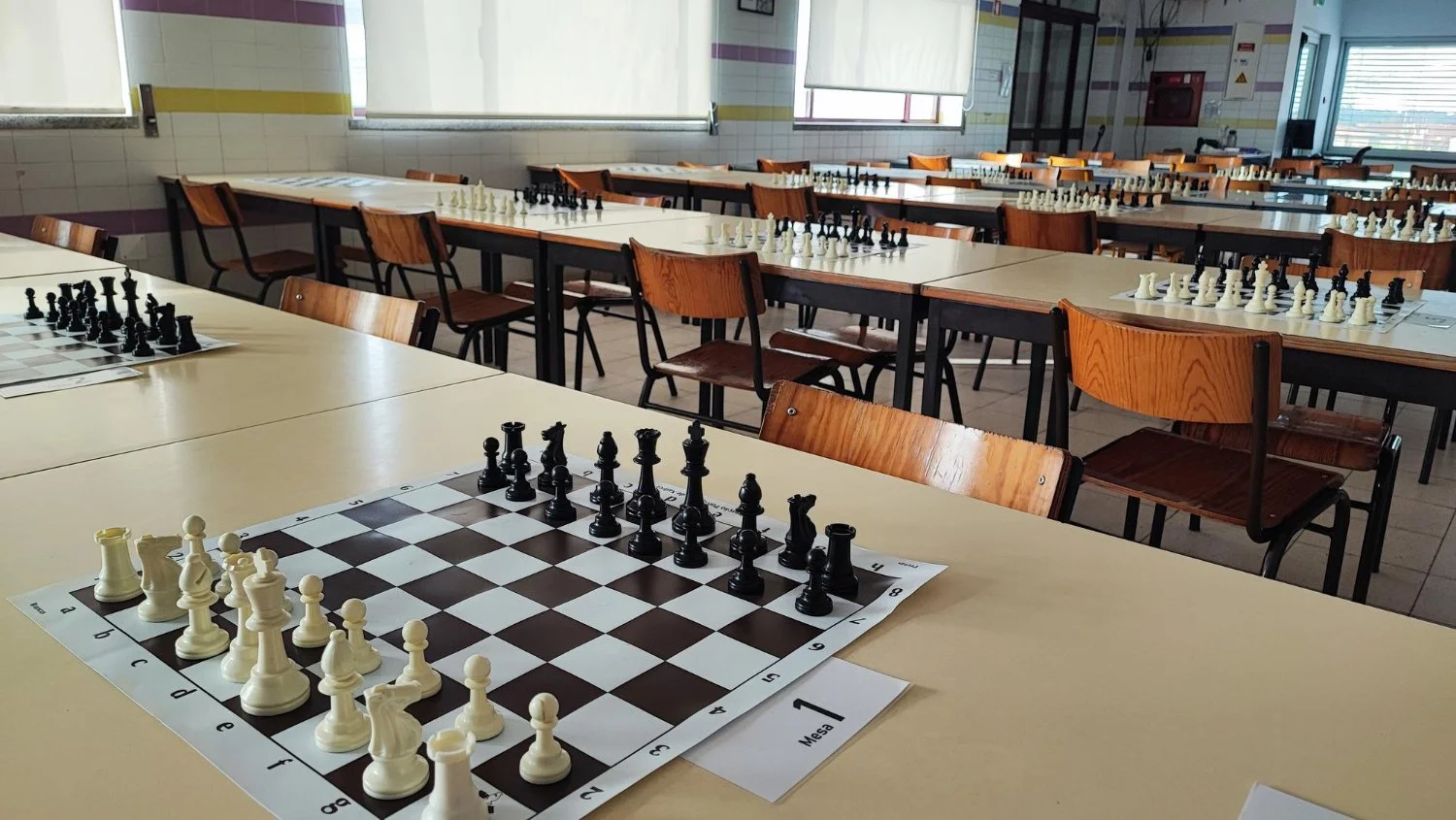
Group classes give kids the chance to explore different styles of play and build friendships too
Private lessons focus more on a child’s specific habits and help them skip past boredom or frustration
Hybrid classes often mix live lessons with short online exercises, making it easier to learn between sessions
Whether kids are just getting started or already picking up advanced thinking, having the right learning setup makes a big difference in how quickly they improve. For many, being able to try out various formats over time helps them understand what works best for their unique approach to chess and learning in general.
Group classes often have a social dynamic that helps children open up and learn from friendly competition or collaborative problem-solving. Seeing how other players think and learning from their strategies can provide a fresh perspective. At the same time, private or semi-private lessons may be a better option for young players who are more introverted or who need extra time to absorb new ideas. The flexibility to combine different types of instruction is one of the strengths of many Manhattan programs, making sure every child finds a comfortable and enjoyable way forward.
It also helps to adjust class types as kids grow and their needs change. What works for a new learner might look different a few months or years later as their confidence grows or their interests shift within the chess world. This adaptability allows instruction to stay fresh and tailored for every stage of learning.
Why Instructors Matter Most
Even the best tools and lesson plans won’t mean much without a strong teacher. Finding the right instructor can change the way a child sees the game. With a little encouragement and clarity, chess can go from feeling tricky to feeling like a puzzle they’re excited to solve.
A kind and patient teacher helps kids relax and focus at the same time
Skilled coaches can spot habits fast and show better ways to think through moves
When kids feel understood by their instructor, they worry less about winning and focus more on learning
Sometimes what young players need most is someone who listens and adjusts. Lessons feel more helpful when they’re built around what the student needs right then, not what the instructor had planned out weeks ago. The most memorable experiences students have in learning chess often come from the encouragement and attention of a dedicated instructor who not only teaches the rules, but also inspires a lifelong love for the game.
Good instructors notice when a student feels stuck or discouraged and know how to adapt on the spot to keep learning light and enjoyable. They can turn a complicated concept into a simple challenge, using examples and stories that speak to each child’s imagination and interests. This adaptability is crucial in helping every young player reach their personal best without feeling overwhelmed. For parents, knowing that their child is learning from a teacher who cares genuinely about their experience can bring peace of mind.
As a result, teachers do much more than instruct in chess skills. They support children as they build patience, learn to wait their turn, and handle setbacks in stride. The positive lessons learned here can help kids outside the classroom, both academically and socially.
Making Time for Practice in a Busy Week
Most families have full schedules. Between school, homework, and other activities, it can be tough to fit in more learning. But chess doesn’t need hours of daily practice to make a difference. What matters most is steady effort and good feedback.
Short lessons every week keep the game fresh in a child’s mind
Quick goal setting after each class helps guide practice at home
A few well-played games with feedback are often better than dozens without a plan
With longer days coming in Manhattan and more energy returning after winter, it’s a good stretch of the year to build a routine. Sticking with it, even in short blocks, keeps kids sharp, interested, and proud of their progress. Parents can encourage practice by making time for a game at dinner or finding a few spare moments after homework, showing that learning doesn’t have to be a big burden.
Structured weekly lessons give children something to look forward to, even during busy times. If a week gets hectic, a simple review of old games or thinking through a chess puzzle can still provide useful learning. Over time, these regular check-ins add up to improvement without feeling like extra work. Setting goals together with instructors can further help families manage time and keep learning enjoyable.
Sometimes, the hardest part for families is balancing new activities with existing commitments. In these moments, choosing programs with flexible scheduling or offering shorter lesson options can make a big difference, helping everyone stay consistent and motivated throughout the year.
Steady Growth for the Long Game
Learning chess is not about racing to the top. It’s about building skills that last, from focus and patience to creative problem-solving. When kids learn in a setting that supports them, they start to trust their thinking and enjoy challenges more.
Taking small steps over time builds habits that lead to long-term success
With spring rolling in across New York, NY, kids often feel more motivated to take on new goals
The right learning program helps kids enjoy how far they’ve come while seeing clearly where they can go next
Growth looks different for every student. Some will win tournaments, and others will just enjoy playing smarter each day. Progress isn’t about comparison. It’s about learning in a way that sticks with them, bit by bit. When we slow things down and give students the space to grow, they tend to surprise us with how much they can do.
As weeks turn into months, the small lessons from each session start to show up in a child’s approach to both chess and life. They may become more thoughtful before making decisions or more confident in facing tough situations. Parents often notice improvement in their children’s focus and patience beyond the chessboard, seeing those same strengths applied in school, sports, or other hobbies.
Another benefit of this steady approach is resilience. Kids learn that making mistakes or losing a game is just part of the process, not something to fear. By observing their own progress and receiving positive feedback, children are motivated to keep going, even when games get challenging. This builds perseverance over time, a quality that carries over well beyond chess into other areas of life.
At United States Chess Academy, we’ve seen how the right setting helps kids enjoy chess and make real progress. For families in Manhattan seeking a program that combines encouragement with steady learning, our in-person sessions are designed to fit busy weeks and support growing minds. One of the best ways to build confidence is through trusted chess academies where each lesson builds on the last. We are here to support young players ready to learn, think, and improve in a way that feels natural, contact us today to help your child take the next step.