Ready Chess Study Routine: Weekly Template for Online Students
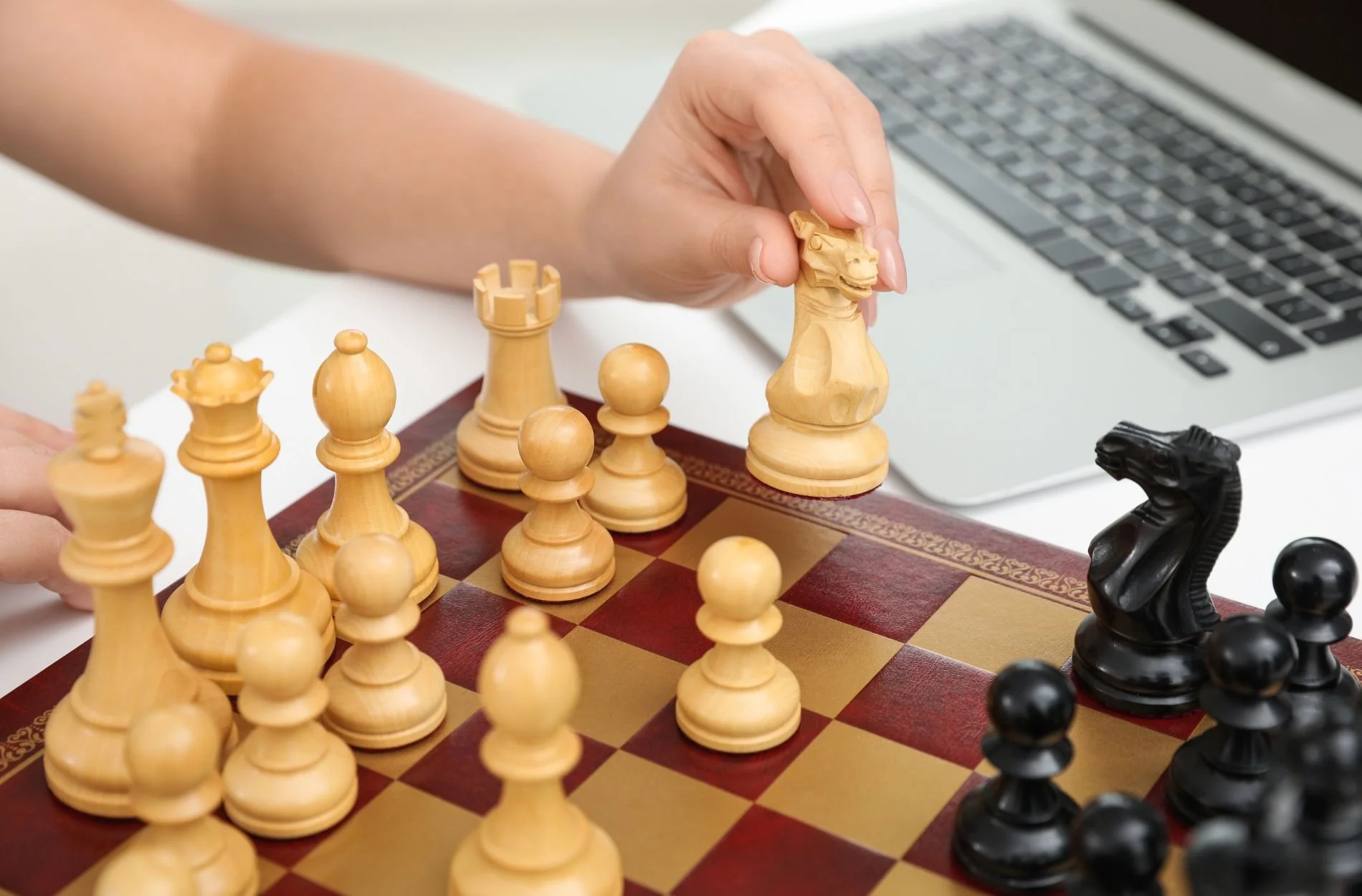
Build a Weekly Routine That Feels Like Tournament Day
Online chess training should lead to real tournament results, not just screen time. Parents and adult students want all those lessons, puzzles, and games to turn into calm, confident play at real boards, with real clocks, against real people.
A tournament-ready week has a clear focus each day, realistic time blocks, and habits that feel similar to what happens in classes and weekend events. The goal is not to cram in as much chess as possible, but to build a steady rhythm that matches how students will actually compete.
Here, we will walk through a flexible 7-day template built around opening prep, tactical blocks, endgame reps, and practical play. You can wrap this plan around your regular lessons, online chess training, and upcoming events like United States Chess Academy tournaments, Central Park camps, and other New York scholastic events such as Hunter and Manhattan-area tournaments.
Start with the Calendar, Not the Chessboard
Before you open an online board, open a calendar. Tournament focus starts with knowing what you are aiming at.
First, look at upcoming events that matter to your family:
United States Chess Academy weekend tournaments, online and in-person in New York
Seasonal camps and events like our Central Park camp
Local scholastic events such as Hunter or Manhattan school tournaments
Write these dates in a place everyone can see. Circle the next two or three that are realistic goals. This tells you how many “training weeks” you have to build good habits.
Next, map current chess commitments:
Group classes and team sessions
Private online lessons
Online tournaments or training games
Your weekly plan should support these, not compete with them. For example, if group class is on Tuesday and private lesson is on Friday, those are already “heavy” chess days. Use the day after class for homework and review, not brand new topics.
Set realistic time blocks by age and level:
Newer K, 5 players: 30 to 45 minutes per day on school days, a bit more on weekends
Active tournament kids: 60 to 90 minutes per day, split into short chunks
Busy adults: 45 to 60 minutes on weekdays, longer training blocks on one or two weekend days
Add a short 10-minute “family check-in” once a week. Talk about what went well, what felt hard, and whether the plan needs a small tweak before the next event.
Structuring Smart Opening Prep for Online Learners
Many players try to learn too many openings at once, then forget them under pressure. For online students, a lean, coach-approved repertoire is much more powerful.
Stick to:
One or two openings with White
Two or three defenses with Black, one for 1. e4, one for 1. d4, and a backup if needed
Choose lines that match what your coach recommends and what is currently appearing in classes and newsletters. This way, your self-study matches the ideas you are already seeing during online chess training.
Plan 2 or 3 short opening sessions each week, about 15 to 30 minutes each:
Review notes from your last group class or online lesson
Replay 1 or 2 model games your coach suggested, focusing on key plans, not just moves
Play a few online training games in those openings at a rapid or longer blitz time control
When a big event is coming, like a United States Chess Academy weekend tournament or a strong scholastic event in Manhattan, shift your focus:
Check your recent tournament games to see which openings actually appear
Use Lichess or Chess.com to practice those lines with a clock and no engine
Ask your coach to point out one or two critical positions to rehearse several times
Short, regular opening work like this builds comfort. The goal is to reach typical middlegames you recognize, not to memorize every possible move.
Tactical Blocks and Endgame Reps That Actually Stick
Tactics and endgames are where many games are decided, especially for kids and improving adults. Online training tools make it easy to click through a hundred puzzles, but speed without understanding does not help much.
Set up a daily tactics rhythm on most days of the week:
10 to 20 minutes of focused puzzle work
Themes that match what coaches are teaching that month, such as pins, forks, double attacks, mating nets
Curated puzzle sets from your coach or the Academy, not just random tactics from the internet
Work at a pace where you can explain the idea out loud. If you miss a problem, spend a minute asking, “What pattern did I overlook?”
Add 2 or 3 short endgame sessions per week. Each session should have a single, clear goal like:
Checkmate with king and rook vs king
Checkmate with king and queen vs king
Winning a pawn race in king and pawn endings
Converting an extra pawn in a simple rook ending
Use real boards when you can, especially for younger students. That physical practice translates nicely to over-the-board play.
To make progress visible, keep a simple “tactics and endgame log”:
Date and time spent
Number of puzzles attempted and solved
Endgame theme studied
One or two patterns you learned or mistakes you spotted
Bring this log to your online lessons so your coach can see what you are working on and adjust homework or class focus.
Turning Online Study Into Over-the-Board Confidence
Online chess training is most powerful when it feels similar to over-the-board play. We want students to feel like tournament day is “just another training day,” not a shock.
Schedule one “tournament rehearsal” session each week:
Use a real board and physical pieces
Set a chess clock to a common tournament time control, such as 30 or 45 minutes per side
Play under real conditions, no engine, no help, no distractions
If possible, do this at the same time of day as your typical events, such as Saturday mornings. This helps the body and mind get used to focusing at that time.
After each rehearsal or serious online game, follow a simple review routine:
First, go through the game on a board and write down where you felt unsure or surprised
Second, do a short engine check to confirm blunders and missed tactics
Third, pick 2 or 3 key positions to share with your coach or during class
The aim is not to analyze every move, but to notice patterns: time trouble, repeated tactical mistakes, or opening positions you do not understand yet.
Build emotional habits into practice too:
Short walk or stretch before serious games
Drink water and eat light snacks between rounds, not heavy meals
Simple breathing pattern before each game, such as 3 slow breaths while you look at the center of the board
If you add these steps to online practice games now, they will feel natural during in-person Academy tournaments, at Central Park camp events, or at busy scholastic events at places like Hunter or Manhattan schools.
A Weekly Template Your Coach Can Refine with You
Here is a sample weekly template you can adjust. Swap days as needed to match your actual class and lesson schedule.
Monday
10 to 15 minutes tactics
20 minutes opening review from last class
10 minutes endgame basics
Tuesday
Group class or online lesson
After class, 10 minutes noting key ideas and one position to review later
Wednesday
15 to 20 minutes tactics
20 to 30 minutes practice games online using your main openings
Thursday
10 minutes tactics
20 minutes endgame session on one theme
Quick log update and questions to ask your coach
Friday
Private lesson or focused self-study
Light tactics only if energy is low
Saturday
Tournament rehearsal with a real board and clock
Short self-review, then save positions for your coach
Sunday
Play in an online or in-person event if possible
Gentle review, then plan the next week’s schedule
For newer K, 5 players, you can shorten most blocks to about 10 or 15 minutes and keep only one longer day on the weekend. For adults with busy work schedules, focus on 3 or 4 training days plus one serious weekend session.
Treat this template as a starting point. Bring your version to your coach and ask for feedback tied to your goals, whether that is moving up a section at the next Academy event, feeling ready for a local Manhattan tournament, or performing better in online leagues. Over a few weeks, adjust the mix of openings, tactics, endgames, and practical play so that your routine, your classes, and your competitions all point in the same direction.
As this weekly rhythm settles in, online chess training stops feeling random. Each day has a clear purpose, and every habit points toward the same result: calm, confident play when it is time to sit down at the board and press the clock.
Start Building Stronger Chess Skills Today
If you are ready to take your game to the next level, our structured online chess training is designed to help you improve with clear, personalized guidance. At United States Chess Academy, we focus on practical skills you can use in real games, from opening preparation to endgame technique. Tell us about your goals and schedule, and we will match you with a program that fits your needs. If you have questions or want help choosing the right option, simply contact us.