What Manhattan Chess Tournaments Teach Kids Beyond Ratings
How Local Tournaments Shape Confident Young Thinkers
Manhattan chess tournaments at our programs do much more than move a rating number up or down. For kids, each event is a live test of focus, patience, and courage, all inside a quiet playing hall with a ticking clock and a real opponent across the board. Parents may walk in thinking about trophies, but they walk out seeing new parts of who their child is becoming.
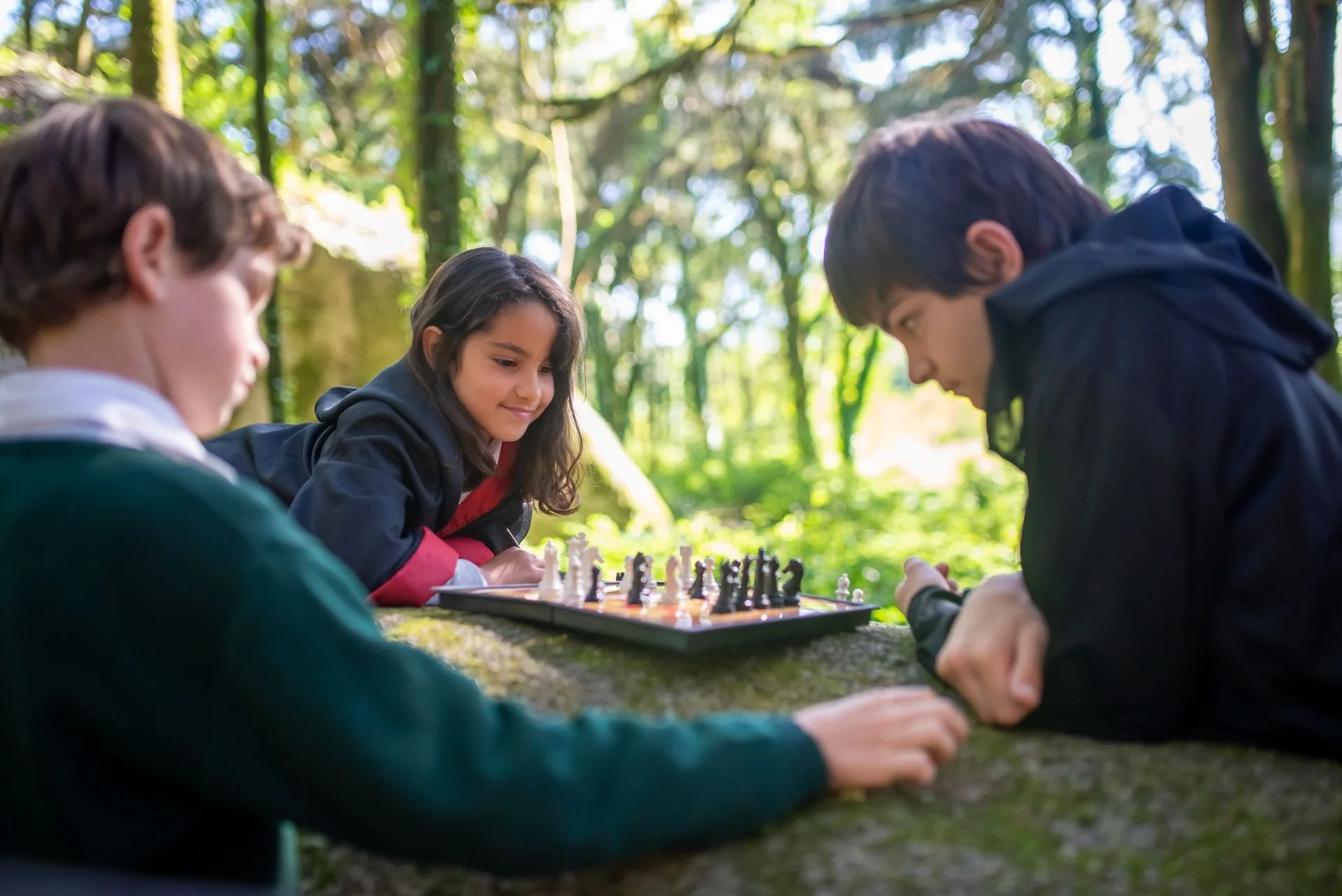
On a typical Saturday at one of our weekend tournaments, a school cafeteria or community space fills with players. Kids in team shirts sit with scoresheets ready, parents whisper on the sidelines, and our coaches quietly slide from board to board between rounds. At events across our program locations, from school-based tournaments to our in-house rated sections, these halls turn into "living classrooms." Children try the openings they practiced in class that week, test their endgame skills, and then talk through everything with teammates in the hallway.
We see the same spirit in larger city events covered by US Chess, such as the ones highlighted in Championship Chess Returns to New York City: A Celebration of.... While those may feature top players, the lessons are the same for kids starting out in our beginner and intermediate sections. Every game in our tournaments is a chance to apply what they learned in our classes, not just repeat it from a book or an online puzzle.
As summer rolls along and families look at our weekend events, in-house tournaments, and upcoming Central Park and school-based camps, many Manhattan kids are using their regular lessons with us to get ready. Training is not only about openings and tactics. It is about learning how to think, act, and bounce back in an environment that feels real, but still safe and guided by familiar coaches.
Turning Tournament Nerves Into Real-World Resilience
Tournament nerves feel big to a child. The room is quiet, the clock is running, and a single mistake can flip the result. That pressure looks a lot like real life: school exams, music recitals, even future job interviews. The difference is that at our chess tournaments, kids can face that stress again and again with support right behind them.
During our weekly classes and online sessions, we spend a lot of time training how to handle that stress, especially as we prepare students for our upcoming tournaments. We use:
Practice time controls so kids know what a 30-minute or 60-minute game actually feels like
Mock tournaments in class to rehearse pairings, quiet play, and reporting results
Simple breathing or visualization routines kids can use before each round
Pre-game checklists to remind them to slow down and think, not just rush out moves
When children play our Manhattan tournaments regularly, they start to:
Bounce back from a blunder instead of giving up on the game
Turn a painful loss into a "What can I fix?" moment in the next lesson
Notice how sleep, snacks, and water affect their focus and mood
Build small personal rituals, like a short warm-up puzzle before round one
These habits do not stay in the playing hall. Kids who can keep calm when their queen hangs often learn to stay calmer when they miss a test question or forget a line in a school play. Chess gives them a safe place to practice that kind of resilience, and our tournament schedule gives them regular opportunities to repeat that practice.
From Lone Player to Team Mindset at the Board
From the outside, chess looks like a solo activity. One board, two players, no teammates in sight. Parents at our Manhattan events quickly learn that there is a lot of quiet teamwork happening around those tables.
Between rounds, kids gather in corners to replay games on analysis boards or on blank sets they brought from home or borrowed from our staff. A child who just lost might sit with another from the same school or program and say, "Show me where it went wrong." Friends share new opening ideas they tried in class that week, talk about tricky tactics they missed, and encourage each other after tough pairings.
Because our training is team-based, this shows up clearly at our tournaments. When kids practice in small training pods or as study partners in our classes, they learn to:
Support teammates even when their own result was bad
Cheer for others while staying humble about their own wins
Respect opponents and arbiters, even when they are upset
Follow shared expectations about behavior, language, and sportsmanship
Over time, this builds a sense of belonging across our Manhattan chess community. Children start recognizing familiar faces at school events, our Central Park camps, and our rated tournaments at different host schools. That community feeling keeps them motivated to keep playing and improving, because they are not just playing for a number; they are playing as part of something bigger that they see every week in class and at our events.
Strategic Thinking Kids Actually Use Outside Chess
A tournament game is one long chain of decisions. Kids are constantly asking themselves, "If I do this, what might happen next?" That habit is exactly what they need in school and in everyday life.
In our current classes and in online lessons, we connect the dots in simple, concrete ways that families are hearing in our newsletters too:
Thinking three moves ahead in chess is like mapping out the steps for a long school project
Evaluating if a trade is good or bad is like weighing pros and cons of joining a new club
Pausing to double-check tactics is like rereading a paragraph before turning in an essay
Reviewing games after a tournament is like looking over graded homework to see what changed
Our Manhattan tournaments speed up that learning, because they give kids a steady stream of real games to bring back to their coaches. Post-event review sessions in class or at camp, something we highlight frequently in our newsletters, become powerful:
Kids bring their scoresheets and replay each game move by move
Coaches highlight not just tactical errors, but thinking habits like moving too fast
Children set one or two small goals for the next event, such as "No instant moves in the opening"
Parents often start to see changes at home too. A child who once rushed through everything may slow down and plan, because they have practiced that process hundreds of times at the board and then reinforced it in our lessons.
Building Character Through Rules, Rituals, and Routine
Our chess tournaments are full of structure. There are pairings, clocks, notation sheets, touch-move rules, and quiet halls. At first, all of this can feel strict. Over time, it becomes a powerful way to build character.
Kids learn that certain rituals matter: arriving before the round starts, shaking hands, pressing the clock correctly, and resetting the position if a piece falls. In classes, we mirror these habits by asking students to:
Keep proper notation during sparring games
Reset boards and pieces before leaving the table
Line up and sit down quickly when paired during in-house events
Talk honestly about their behavior as well as their moves
These repeated routines help grow traits that parents value far outside of chess:
Accountability: kids learn to own mistakes at the board, then work on them with a coach
Patience: they sit through long rounds, wait calmly for pairings, and finish games properly
Integrity: they report results correctly, follow touch-move, and accept arbiter decisions without arguing
Even the simple act of entering our tournaments and camp programs, like signing up for a Central Park camp session or one of our upcoming weekend events, helps children see that preparation, timing, and commitment matter. They begin to understand that when they sign up, they are choosing to show up, try their best, and respect the event.
Make the Next Tournament a Learning Milestone, Not Just a Score
When kids come home from our Manhattan tournaments, one of the first questions they often hear is "How did you do?" If that only means "How many points did you score?" we miss most of the growth that happened during the day.
Parents can gently shift the focus by asking things like:
"What was the toughest moment, and how did you handle it?"
"Did you try any new ideas that you worked on in class this week?"
"Who did you help today, or who helped you from the team?"
"What is one thing you want to do differently at the next [program name] tournament?"
Treating each event as a learning milestone keeps kids from tying their whole identity to a rating number. They start to see progress in calmer focus, better manners, smarter decisions, and stronger friendships, not just in trophies.
To keep that growth going, it helps to connect our tournaments, classes, and camps into one path. Children can register for upcoming events or training cycles through tools like the online registration cart, then bring their games back to class for review. With steady feedback from our coaches and regular practice, each local tournament we host in Manhattan, from small school quads to larger weekend events, can become one more meaningful step in who they are becoming, both on the board and in everyday life, fully aligned with what they are experiencing in our current classes and programs.
Join Local Chess Events That Sharpen Your Game Faster
Explore our regularly scheduled Manhattan chess tournaments to challenge yourself against committed players at every level. At United States Chess Academy, we structure events so you can track real progress, gain rating experience, and learn from each game. If you have questions about formats, schedules, or which section is right for you, contact us and we will help you get registered for your next event.