Choosing the Right Chess Learning Classes in Manhattan
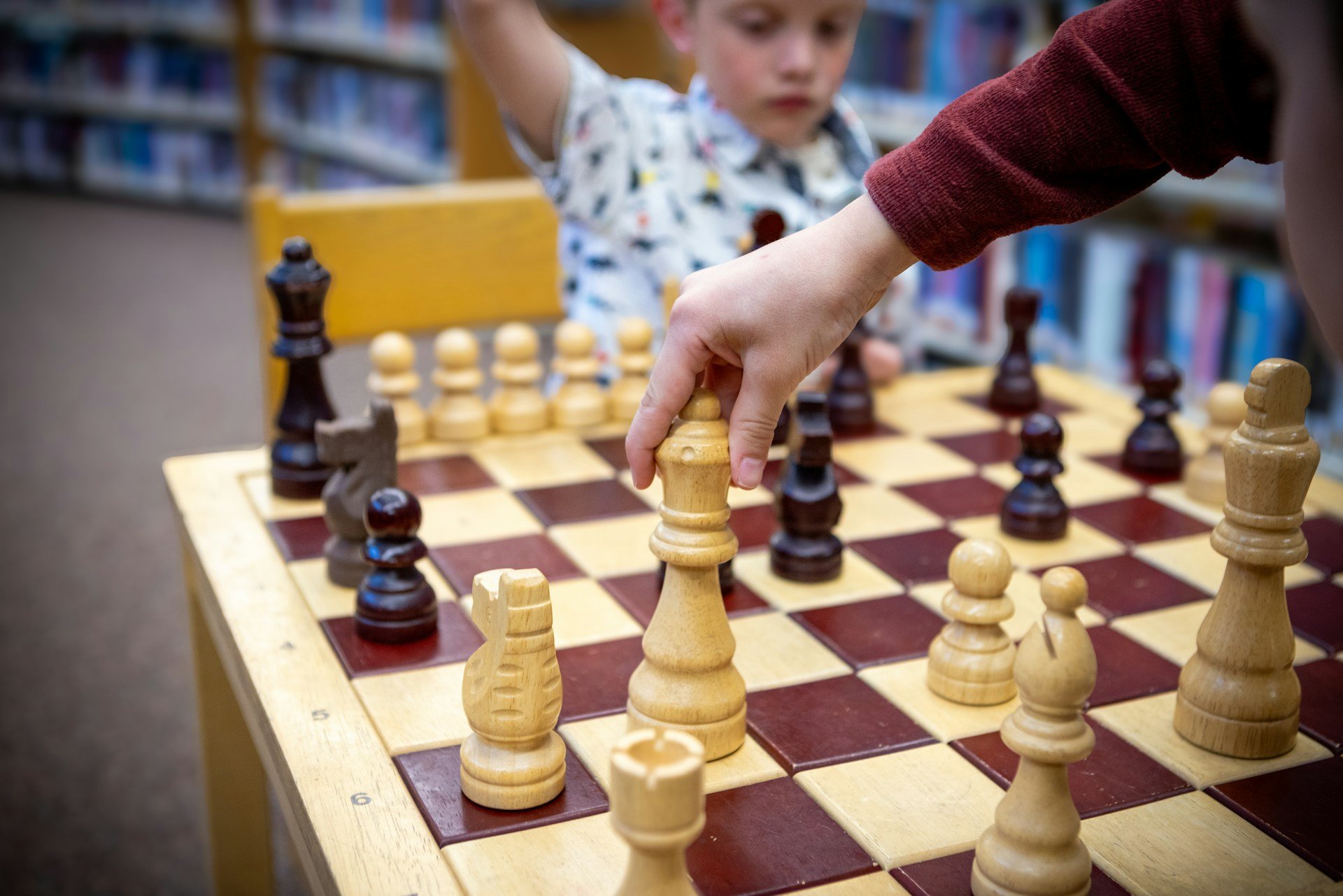
Chess has always had a special place in New York, and lately, more and more people are looking for ways to learn the game or get better at it. Whether it's after work or between school days, chess offers something to slow things down and fire the brain up at the same time. And for families in Manhattan, especially in the colder months of winter, it can be the perfect indoor skill to explore with others.
That said, there are a lot of choices when it comes to chess learning classes in Manhattan. Some are designed for beginners, others for advanced students. Some focus on fun, others on strategy. Picking the right one can make learning feel easier and more rewarding. The good news is, when you know what to look for, it becomes much simpler to find your match.
Look for Classes That Match Your Skill Level
Everyone starts somewhere. For beginners, that means simple lessons where the rules, moves, and basic steps are explained clearly. Classes that move too fast or skip past those first lessons can feel frustrating. We always suggest looking for a group or instructor who knows how to slow down and meet you where you are.
For players who already know the rules and want more, the right chess class will focus on sharpening skills like game analysis, opening plays, and smarter endgame thinking. Some might prepare students for matches or competitions. Having a class that's just right, not too easy, not too difficult, keeps learners interested and growing.
Picking a program that fits your level helps with confidence too. When students feel they understand what's going on, they feel proud and ready to try more. It sets the tone for how they’ll feel about chess overall.
Think About Location and Schedule
Manhattan is busy. Between subways, packed streets, and everyone racing from place to place, picking a class in the right spot matters a lot. If it takes too long to get to, people are more likely to miss it, and once that happens a few times, they might stop going altogether.
We suggest thinking about chess classes that are close to where you already spend your time. Maybe near your child’s school, your office, or home. Even better if the location is near public transit. Quick walks and easy access make it much more likely that students will show up ready to learn.
Flexible schedules can help, too. Evening classes give students time to get schoolwork or work duties out of the way first. Weekend options can fit into family plans. The more it can smoothly fit into your day, the better it works long term.
Check the Style of Teaching
Not every student learns the same way, and that’s a big part of what makes teaching styles important. Some people enjoy learning alongside others, where they can ask questions and share ideas. Others might learn faster with a one-on-one session where they get all the attention and don’t feel rushed.
Group lessons work well for people who like to hear different views and solve problems as a team. It can feel lively and connected. One-on-one lessons can help students focus deeply on their own progress without distraction.
Some teachers like to keep it playful, turning lessons into small games or puzzles. Others stay serious and focus on tough strategies. Both types have value, but it's worth thinking about which one makes you (or your child) feel the most confident. The more comfortable you feel in class, the more likely you are to enjoy practicing and stick with it.
Look for a Supportive, Fun Environment
Walking into a new place to try something can make anyone feel nervous, especially kids. That’s why a warm and welcoming atmosphere is so helpful in learning settings. When students feel seen, heard, and supported, they’re much more likely to keep coming back.
Teachers who take their time, speak kindly, and let mistakes happen without stress create classes where it’s okay to learn at your own speed. This takes the pressure off and builds trust. For kids, that often means lessons feel more like playtime than school, which is exactly how it should feel.
Parents should take a moment to observe or ask about how the class runs. Are students excited? Do they seem relaxed? Is there laughter or quiet focus? Getting a sense of the environment gives you clues about how a class operates, and if it's a space where your child, or you, will want to stay.
Ask About Progress and Goals
Chess is one of those games where tiny steps add up over time. Many players look back after a few months and are surprised at how far they’ve come. Classes that point out those small wins along the way can help students feel proud, even before they win their first full match.
We encourage asking instructors how they keep track of progress. Some may give feedback after each class. Others might set fun goals, like learning how to castle, pin an opponent, or think a few moves ahead. Knowing that improvement is part of the plan helps students know they’re not just playing, they’re growing.
Sharing what you hope to feel or achieve with chess can help instructors guide you better too. Whether it's just wanting some fun brain exercise or hoping to play in local tournaments later on, a good chess class can flex to support those goals.
Why Choose United States Chess Academy in Manhattan?
We provide private, group, and semi-private chess classes in New York, NY, designed for every age and skill level. You will find both in-person options and virtual lessons for convenience. All instructors at our academy are professional chess coaches with years of teaching experience, focused on helping students develop not just strategy, but confidence and a love for the game.
Finding the Perfect Chess Class for You
The best chess learning classes in Manhattan are the ones that truly fit your needs and goals. When location, teaching style, class size, and flexibility join together, chess can become a weekly highlight. Our lessons are designed to build skills step by step, from the basics to competitive game play, and to foster a welcoming, enriching environment for every student.
At US Chess Academy, we’re dedicated to helping you grow your chess skills in Manhattan with flexible sessions designed to match your level, fit into your schedule, and provide a supportive environment for learning. Many of our students enjoy our local chess learning classes, where lessons are interactive and easy to follow. No matter your age or experience, we’re here to guide you every step of the way. Reach out today to get started or to ask questions about our programs.