From Class Puzzles to Manhattan Math Chess Confidence
From Classroom Puzzles to Real-World Confidence
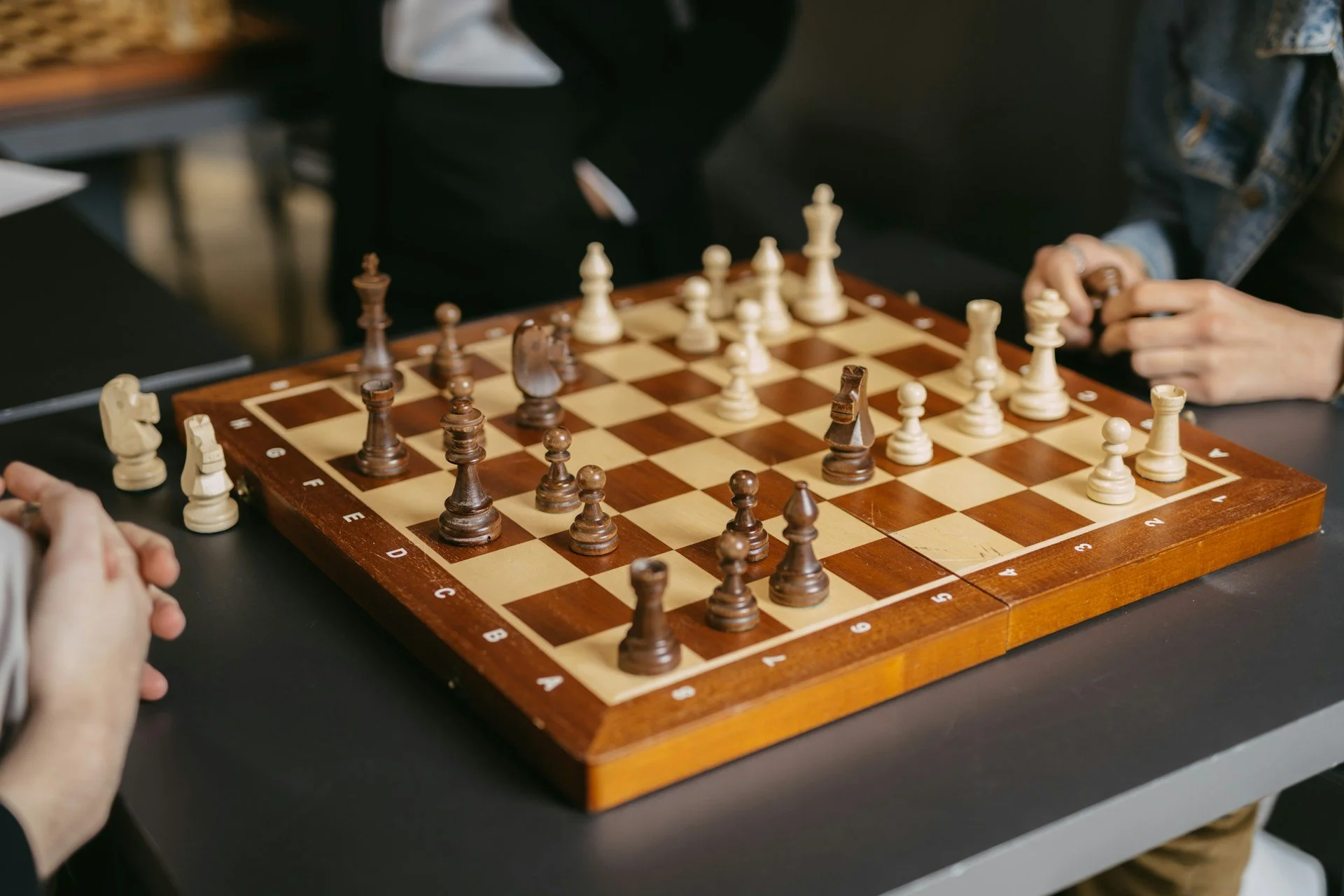
A lot of families first notice the change in a small, quiet way. A child who used to sit in the back of math class and avoid raising a hand suddenly starts finishing homework earlier, then asks for a chess puzzle sheet. A few months later, that same child is sitting at a board in one of our upcoming Manhattan summer tournaments, calm, focused, and actually excited to face a tough opponent.
That shift does not come from one big moment. It comes from steady work with the same kinds of puzzles your child sees in our current classes and in the weekly homework we send home in our newsletters. Each time they calculate a line, spot a pattern, or stick with a position that feels confusing, they are building habits that show up in school math. Parents start to notice that their kids are not just getting answers, they are explaining how they got there.
We call this “Manhattan Math Chess Confidence.” It is that specific mix of courage and calm you see when a child is willing to tackle a hard problem, share their thinking out loud, and keep their cool when the clock is ticking. It grows one puzzle at a time, and it can turn a quiet student into a confident problem solver at both the chessboard and the math desk.
Why Chess Feels Like a Math Class Kids Actually Enjoy
When kids walk into our current spring and summer classes, they are not asking for more math. They are asking for tactics, checkmates, and chances to win. What they do not always see right away is that those fun chess themes line up closely with the best parts of strong math thinking.
Right now, our weekly work usually includes:
Tactics, where students learn short forcing moves like forks and pins (a focus in our current tactics blocks)
Endgames, where they have to plan ahead and count carefully
Structured puzzle time, where they solve positions step by step that match the weekly puzzle sets shared in our newsletters
In all of those moments, kids practice core math habits without feeling like they are doing worksheets. They are:
Putting moves in a logical order
Using “if, then” thinking, such as “If I take here, then they take back”
Checking their work before they commit to a move
During group review in our current classes, we slow everything down. We pause at the critical moment in a puzzle and ask what really matters in the position. This looks a lot like how teachers want students to go back through a tough word problem in class. Kids compare different move ideas, talk about why one plan works better than another, and learn that changing your mind after new information is a smart thing, not a mistake.
At home, parents often see the spillover. Kids ask for “just one more puzzle.” They set up positions from class on a board or a screen and walk through the lines they tried. The same child who once rushed through math now talks through a multi-step problem the way they talk through a combination: “First I do this, then that happens, then I check if anything is hanging.” Chess gives them a fun reason to build the habits math teachers love.
Building Manhattan Math Chess Confidence Move by Move
When we talk about Manhattan math chess, we are talking about a mix of two things that our families care about. One part is the high level of competition that New York City offers, from local events to larger tournaments at schools like Hunter and other well-known Manhattan sites that are on many families’ calendars this season. The other part is the careful, math-like thinking that our students practice in every current lesson.
We often treat a single puzzle in our weekly curriculum the way a good teacher treats a serious math problem. The steps look like this:
Understand the position, just like reading the problem carefully
Identify candidate moves, like trying out different strategies
Calculate each variation, which is the same as showing your work
A beginner might only need to find one move that checks the king. A more experienced player might have to see five or six moves ahead and compare two different checkmate patterns. The process stays the same. We repeat it across levels in our current beginner, intermediate, and advanced groups until it feels natural.
As students move from one-move puzzles to deeper combinations, families can see the confidence curve. A child who once guessed at answers starts to pause, think, and explain. They learn that it is okay to be stuck, as long as you keep searching for the next idea. That mental stamina is the heart of Manhattan Math Chess Confidence, and it builds across weeks of classes, not in one weekend.
Summer Tournaments, Camps, and the Confidence Curve
June is a natural time for families to ask, “What is next?” School math often slows down, but chess can keep those problem-solving muscles strong. Our classes lean on a rhythm that connects puzzle work, practice games, and real events around the city, and this rhythm is built into our upcoming summer programs.
A typical curve for many students in our program looks like this:
Spring: regular classes, weekly puzzle sheets tied to our current newsletter themes, and simple practice games
Early summer: camp days with more puzzles, training games, and focused review based on the spring curriculum
Later summer: local rated tournaments in Manhattan and other city events, including the upcoming weekend tournaments we highlight in our newsletter calendar
By the time a child sits down in a summer tournament we recommend, they are not just guessing what to do under pressure. They have already trained that feeling in class. They know how it feels to manage the clock, write moves, and recover from a blunder in the next round. Parents notice that the same poise appears when school starts again and math tests come back.
For families who like the park setting, programs like our own Central Park Chess Camp give kids long, relaxed days to stretch their thinking and apply the weekly themes we introduce in class. Others prefer more structured small-group training online that continues the same puzzle lines and strategy topics from our in-person lessons. Many mix and match with the weekend tournaments and special events in Manhattan that we feature in our newsletter so their children see a range of settings while keeping a stable routine.
The key is that the seasonal rhythm keeps both chess and math habits active. Instead of a long break from challenging work, kids get a change of pace that still includes thinking, planning, and reviewing.
How Parents Can Turn Class Puzzles Into Daily Wins
Parents do not need to be chess experts to support this kind of growth. In fact, some of the most helpful habits at home look very similar to good math support and connect directly to what we are doing in class right now.
Here are a few simple ideas that match our current class structure:
Ask your child to “teach” you a puzzle they solved in last week’s class or from the latest newsletter
Set a 5-minute family puzzle time where everyone tries a position together from the current homework sheet
Let your child explain a checkmate pattern like a step-by-step solution, using examples from the tactic of the week
When a child explains why a move works, they are practicing the same clear thinking they need when they show how they solved a long division or algebra problem. You can ask open questions like, “What was the hardest part of this puzzle?” or “What other move did you think about?” This signals that the process matters at least as much as the result.
As tournament season picks up with the summer events we recommend in our newsletter, a little structure at home also helps. A quiet review space, a simple notebook for tracking games, and a habit of celebrating effort all make a difference. Some families like to mark both chess rating changes and school math milestones on the same page so kids can see that these skills grow together.
If your child trains online, it can help to treat lesson time like a real class. A stable spot, a charged device, and a quick check that links for their online chess lessons work smoothly can cut down on stress and keep their focus on the board. After class, a short talk about one favorite puzzle or theme from that week’s lesson helps the new ideas stick.
Joining the Next Step in Your Child’s Chess and Math Growth
As kids settle into a rhythm with puzzles, practice games, and class discussions, the next step often feels natural. Maybe your child wants to try a first rated event at a local Manhattan tournament from our current recommendations list, or maybe they are ready for more serious practice in a small group this summer. Some families look toward well-known city events like those hosted at Hunter and similar schools as long-term goals, and we time our class themes to prepare for those events.
At United States Chess Academy in New York, our coaches often talk with families about clear, realistic summer targets that align with our current programs. These might include:
Reaching a new rating milestone at local tournaments we highlight each month
Using time more calmly on the clock during long games in our upcoming summer events
Speaking up more during both chess class and math lessons, especially during our current puzzle-discussion segments
For many students, a mix of in-person meetings, online training, and structured events creates a strong base. Families can use tools like the current program listings to choose options that match their child’s schedule and focus level, then check in with coaches about how things are going. Over time, the combination of steady puzzles, thoughtful review, and real games, all coordinated with the tournaments and programs on our present calendar, helps build that steady Manhattan Math Chess Confidence that supports kids far beyond the board.
Help Your Child Build Stronger Logic and Problem-Solving Skills
Our Manhattan math chess lessons are designed to sharpen critical thinking, focus, and confidence move by move. At United States Chess Academy, we blend structured instruction with engaging challenges so students stay motivated while they grow. If you are ready to explore the right program for your child, you can contact us with your questions or scheduling needs.