Mistakes Parents Make with Kids’ Chess Tournaments in Manhattan
How to Turn Kids’ Chess Tournaments Into Real Growth
Kids’ chess tournaments in Manhattan can be amazing learning experiences or really stressful weekends. The difference often comes down to how adults handle them. When parents rush between rounds, quiz kids on opening lines in the hallway, or focus only on trophies, young players miss some of the best lessons chess can offer.
At United States Chess Academy, we guide many families through their first events in New York City and through years of competition after that. We see the same patterns again and again, especially in large scholastic tournaments. Here are the most common mistakes parents make, how they show up in kids’ chess tournaments in Manhattan, and what to do instead so every event becomes real progress, not just a long day out.
Pushing Too Hard or Too Little Before the Tournament
The week before a big event, some families go into panic mode. Kids are drilling new openings every night, solving tactics until they are half asleep, and trying to fix problems that take months of steady work, not days.
Common “too much” patterns look like this:
Adding brand new openings right before the event
Forcing long practice sessions after school
Treating every practice game like a must-win test
This often backfires. Kids arrive tired, confused about their openings, and stressed about making mistakes. Performance usually improves when training is calm, consistent, and planned over weeks, not crammed into one intense stretch.
Other parents swing the opposite way and are almost hands-off. The child might:
Have no practice games with a clock
Not know basic rules like touch-move or how to claim a draw
Walk into a giant Manhattan event with no idea what a “round” or “pairing sheet” is
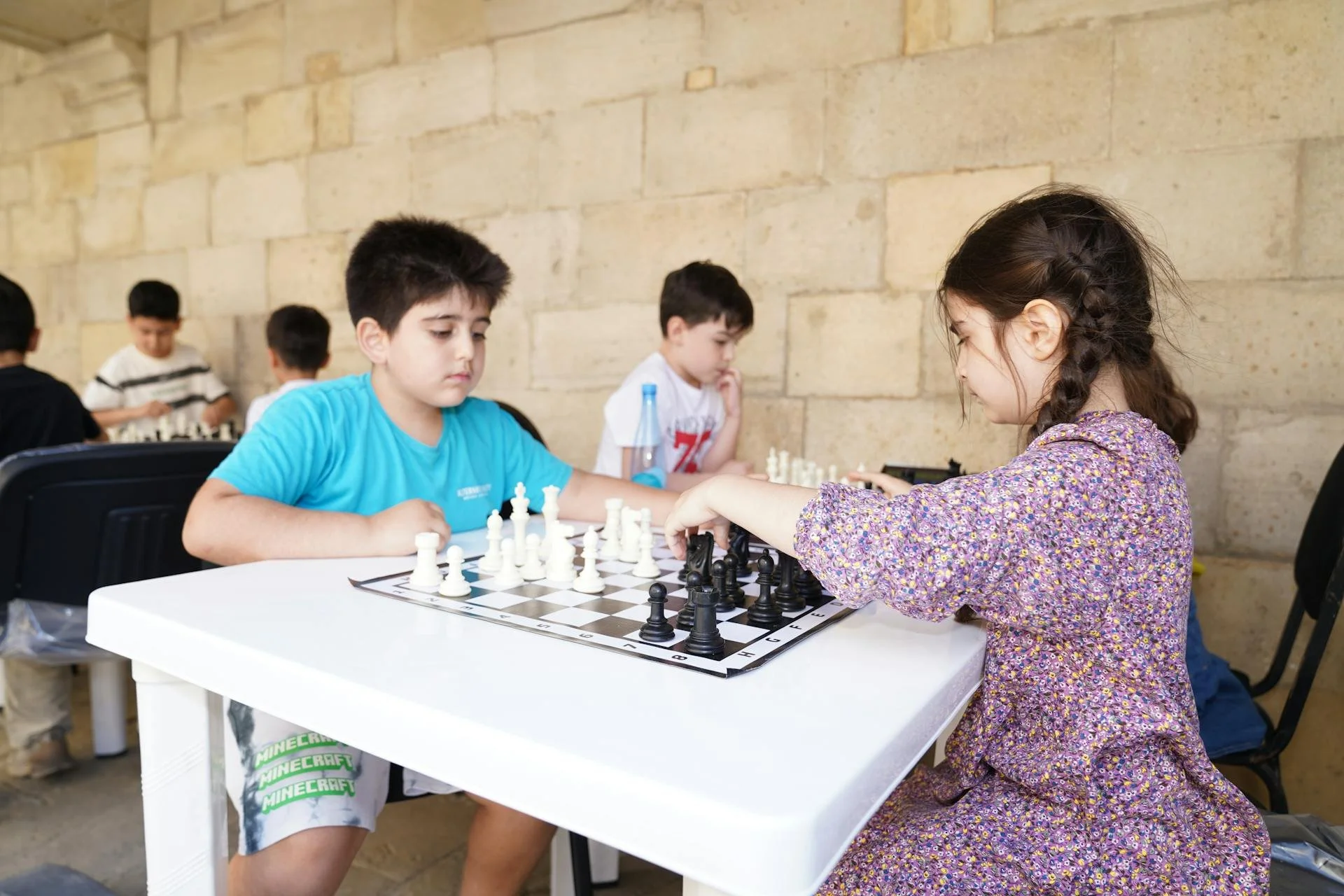
For a first-time player, a large scholastic tournament can feel like a maze. Loud hallway noise, tight schedules, and new routines can be a lot if nothing has been explained before.
A better balance before the event:
Light review of familiar openings and tactics
One or two relaxed practice games with a clock
Clear bedtime and a good breakfast
A simple talk about goals: “Today is about playing your best and learning,” not “You must win a trophy”
Our structured programs build these habits over time, so on tournament day kids already know what to expect and can stay focused on playing good moves.
Understanding How Kids’ Chess Tournaments in Manhattan Work
Many stressful moments happen because parents are not sure how tournaments actually run. This is very common in big city events that use formal rules and tight schedules.
Key basics that help:
Most kids’ chess tournaments in Manhattan use the Swiss system, which means everyone plays several rounds and is paired with players who have similar scores.
Players are often grouped by rating or grade into “sections.”
Touch-move usually applies, which means if your child touches a piece they may have to move it if it has a legal move. For a refresher on these mechanics, you can explore Chess.com’s Guide to Chess Rules.
A “bye” is a round a player does not play. A “forfeit” is when a player loses because they arrived too late or did not show up.
Parents also need to know that coaching during rounds is not allowed. Adults should not whisper advice, point at boards, or suggest ideas while games are in progress.
Another big decision is section choice. Putting a brand-new player into a very strong section can crush confidence. Keeping a child too long in a weak section can make them think they do not need to work hard. Manhattan has events from beginner to very advanced, so it pays to match the section to the child’s real level and emotional readiness.
Finally, the environment matters. A typical day might include:
Several games, each lasting 30 minutes or longer
Short breaks, noisy hallways, and crowded waiting areas
Lots of walking between playing rooms and team areas
Parents can help by packing water, healthy snacks, a sweater in case the room is cold, and a simple, quiet activity between rounds. The goal is to keep the child calm and steady all day.
Shifting From Ratings and Trophies to Real Progress
In a competitive city like New York, it is easy to focus solely on ratings. However, growth in chess doesn't always show up as a medal. Research has shown that the cognitive benefits of chess, such as improved focus, memory, and problem-solving, are the true long-term rewards.
The problem is that growth in chess does not always show up as a medal. Some of the best signs of improvement are:
Using more time and avoiding quick blunders
Remembering opening plans more clearly
Staying focused in long, tough games
Bouncing back after a loss instead of shutting down
Parents often miss these wins because they are not as shiny as a trophy. After each round, try simple questions like:
“What did you learn from that game?”
“What new idea did you try?”
“How did you handle it when the position got hard?”
In our training, we help kids set “process goals” like staying focused, double-checking tactics, or following their opening plan, not just “win all my games.” Over time, this mindset builds stronger, more confident players who can handle the tough competition at kids’ chess tournaments in Manhattan.
Handling Emotions Before and After Games
Chess is emotional, especially for children. How adults respond to those emotions can either build resilience or create fear.
Common emotional mistakes:
Scolding after a loss, or saying things like “You should have won that easily”
Giving long lectures in the car about every blunder
Comparing the child to other kids or siblings
This makes tournaments feel unsafe. Instead of thinking, “If I lose, I learn,” kids think, “If I lose, I disappoint my parents.”
On the other side, huge reactions to wins can also cause trouble. When every win gets over-the-top praise and celebration, kids may feel pressure to repeat that result every single event. They may start to protect their rating instead of challenging themselves.
A calmer approach helps:
Before games: “Play your best, use your time, and remember what you practiced.”
After games: “I am proud of how hard you tried” or “We can look at the details later with your coach.”
Use a 24-hour cooldown before deep analysis so strong feelings can settle before you look closely at mistakes.”
Our coaches put a lot of focus on this emotional side of competition, because it decides whether kids stay in the game long term.
Turning Tournaments Into a Real Improvement Plan
Many families treat each tournament like a stand-alone event. The day ends, the scoresheets go in a bag, and no one looks at them again. That means all the patterns and lessons inside those games are lost.
A simple, powerful cycle looks like this:
Save every game with a clear scoresheet
Review key positions with a coach, not just with guesswork at home
Notice repeated problems, like time trouble or missed tactics
Adjust training: add specific exercises, opening fixes, or endgame practice
Pick the next tournament that fits the child’s level and goals
When we work with students in Manhattan and online, tournament games are at the center of their training plans. Each event becomes one step in a long path, not just a long Saturday. Over time, this approach turns kids’ chess tournaments in Manhattan into steady growth in skill, confidence, and love for the game.
Help Your Young Player Grow Through Real Game Experience
Give your child the chance to apply what they learn in class by joining our organized kids' chess tournaments in Manhattan. At United States Chess Academy, we structure events so every player gains confidence, learns from each round, and feels supported at every step. If you have questions about which tournament is right for your child or how to get started, simply contact us and we will guide you through the next steps.