Why Nearby Chess Academy Families Love Weeknight Chess Study
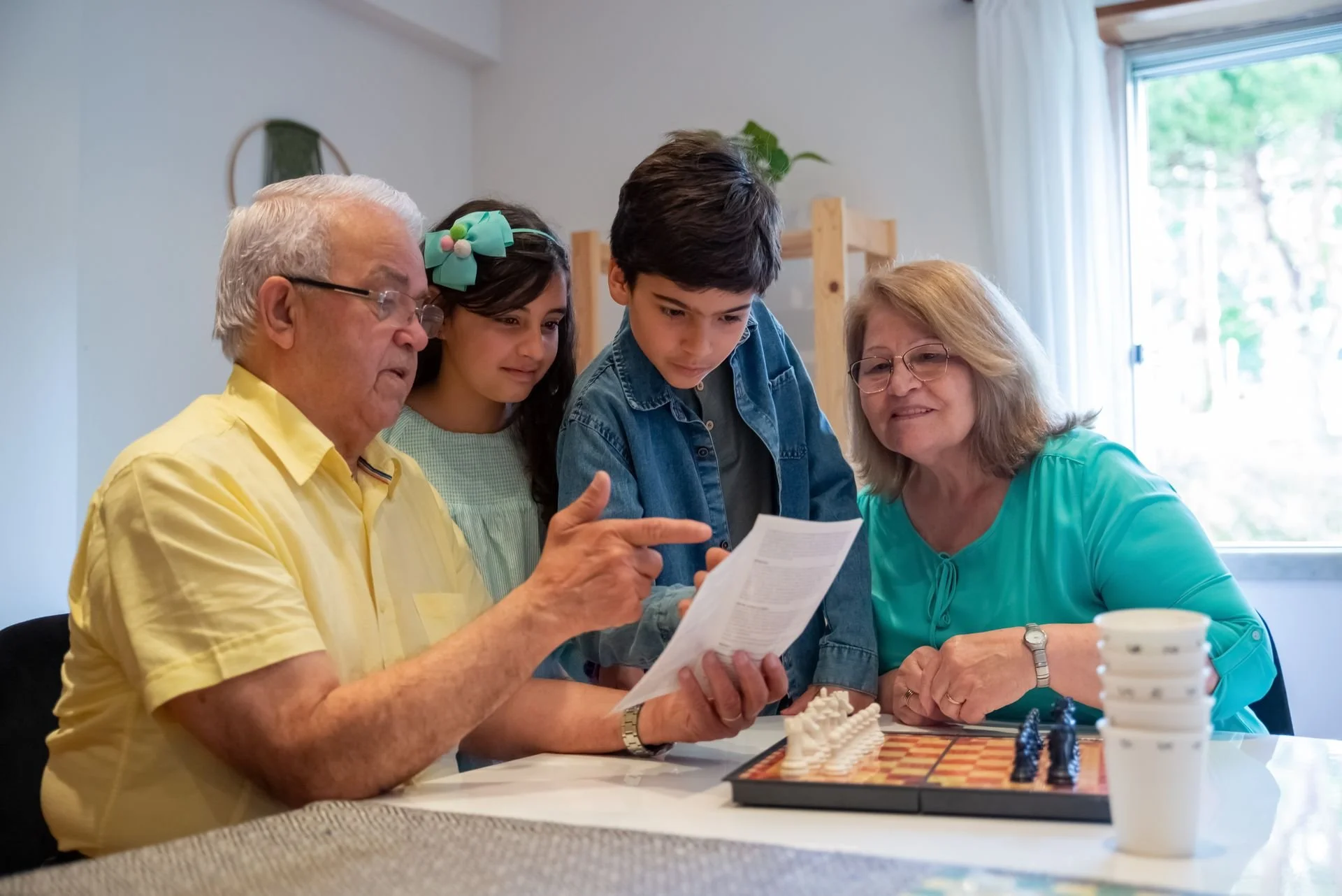
Why Weeknight Study Chess Becomes a Family Favorite
Weeknight chess study solves a real problem for many families: what to do between homework and bedtime that is calm, structured, and still fun. After a long school day, kids need something that wakes up their mind without turning into endless screen time. Chess fits that window perfectly when it is planned, guided, and consistent.
At a nearby chess academy, families are already seeing how early-evening study sessions, themed lessons, and friendly training games keep kids engaged. These are not random games online. They are focused blocks of time where students review openings, solve puzzles, and play serious but friendly practice games. Parents see steady progress, kids look forward to “chess nights,” and weeknights become part of an ongoing training plan instead of a scramble.
Turning Weeknights Into Consistent Chess Progress
The secret to real improvement is not one big camp or one big tournament. It is steady practice, several times a week, that lines up with what students are learning in class. Weeknight study does exactly that.
During these sessions, students often work through the same themes they saw in class earlier in the week. That might include:
Tactical puzzles that match the current topic
Coach-led review of games played in class or at tournaments
Opening drills built around each student’s main systems
Homework positions from handouts or newsletters
This kind of repetition from Monday through Thursday helps new ideas stick. A student might see a fork pattern in class, then solve a similar puzzle at home the next evening, then find the same idea over the board in a training game. That loop makes confidence grow fast.
Structured weeknight practice is especially helpful before fall and winter tournaments around Manhattan, such as local scholastic events or bigger citywide meets. When students pair their regular classes with evening study, they show up to events with:
Sharper calculation
Better time management
A clear plan in their favorite openings
Families who like to keep things organized often plan a regular “chess night,” then plug in online study through options like live online lessons or group sessions so the routine feels simple and predictable.
How Study Chess Builds Real Tournament Readiness
Tournament success does not come from talent alone. It comes from habits, and weeknight study builds those habits in a friendly, low-pressure setting.
Many students use evening study time to work on very specific goals tied to real events, such as:
City scholastics and school team tournaments
Weekend Swiss events in Manhattan
Organized rated events and practice tournaments run at local academies
Instead of just “playing more chess,” kids work on targeted skills. During study sessions, they might:
Analyze their most recent tournament games with a coach
Practice classic endgames, like king and pawn or rook endings
Rehearse critical moments from newsletter “Game of the Week” positions
Run through time-control drills with a clock
Coaches can set up online or in-person sessions that feel a lot like a real tournament: quiet room, chess clocks, notation sheets, no talking during games. Kids get used to writing moves, handling time pressure, and staying calm when a position gets complicated. When they then go to events at places like Hunter or other Manhattan scholastic tournaments, those situations feel familiar instead of scary.
Over time, this routine helps students build a strong tournament mindset. They learn to review their games, fix mistakes, and come back stronger for the next event.
Why a Nearby Chess Academy Makes Weeknights Work
Location matters when you are trying to keep a routine going. For many Manhattan families, having a nearby chess academy turns weeknight study from a “maybe” into a steady habit.
Some of the small but important advantages include:
Easy commute from school to the academy
Simple drop-off, then time for parents to run errands or work nearby
No long, draining travel that eats up the evening
When in-person study is close to home or school, kids can fit chess between homework and bedtime without feeling rushed. And when schedules get tight, families often mix in hybrid plans. A student might attend in-person certain days, then join online study from home on other evenings, all guided by the same coaches and curriculum.
This flexibility keeps attendance consistent. Kids who live or go to school near a chess academy are more likely to:
Stick with midweek classes and study blocks
Join extra review sessions before big tournaments
Participate in weekday evening training events mentioned in newsletters
During summer, when some families are also attending programs like Central Park chess camps, staying connected to a nearby chess academy helps bridge the gap between camp intensity and the slower pace of regular weeks.
Study Habits That Strengthen Focus on and Off the Board
Parents often care about more than ratings or trophies. They want their children to learn focus, patience, and resilience. Weeknight chess study is a great place for these habits to grow.
Coaches can use study sessions to practice skills that matter in school and in life, such as:
Staying focused after a full day in class
Recovering mentally after a blunder instead of giving up
Thinking through decisions instead of moving too fast under pressure
In many classes, students keep simple reflection notes on their recent games. They write down what went well, what went wrong, and one lesson to remember next time. These ideas are echoed in newsletters and “one key lesson per class” summaries so families know what to talk about at home.
Some students also set short-term rating or performance goals tied to specific tournaments, like doing better on Board 1 for their school team or scoring a bit higher at the next Manhattan scholastic event. Weeknight study gives them the practice time to chase those goals step by step.
Parents often notice side benefits: stronger homework concentration, calmer reactions when things do not go their way, and a more thoughtful approach to everyday choices. That is not an accident. Structured evening chess teaches kids to pause, review their options, and pick a plan with intention.
Simple Ways Families Maximize Weeknight Chess Time
The families who get the most out of weeknight study usually keep things simple and repeatable. The plan does not need to be fancy. It just needs to be clear.
Here are a few habits many nearby families find helpful:
Pick one or two regular “chess nights” and stick to them
Keep a small folder or notebook for printed puzzles, game scores, and goals
Review a puzzle or two from the latest newsletter together
Watch short recorded clips or class notes before an online session
Use quick training games with a clock to practice time management
During summer, weeknight chess is a nice way to keep skills sharp between camp days or family trips. Kids can get ready for late-summer and early-fall tournaments by solving a few puzzles, reviewing recent games, or joining an online study block from home. As the school year approaches, families often shift from the intense camp schedule to a steady weekly routine that fits with homework and activities.
Because every child is different, parents sometimes work with coaches to build a simple plan that fits their age, level, and goals. That might include:
One or two group classes each week
Regular private lessons for deeper work on specific weaknesses
Home study time built around handouts and games from class
When all these pieces line up, each weeknight starts to support a clear chess goal. The game becomes part of family life, not just a once-in-a-while activity.
Joining the Weeknight Study Tradition
Over time, many families come to treat weeknight study chess as a non-negotiable part of their routine. They see real improvement on the board, more confidence at tournaments, and a calm, screen-light way to end the day. Kids feel proud of their progress, parents see the habits forming, and chess becomes something the whole family understands and supports.
At United States Chess Academy in Manhattan, we see this pattern every season as students move between camps, school-year classes, online lessons, and local tournaments around the city. When families commit to a few steady evenings of focused study, everything else in a player’s chess life starts to click into place. Whether the goal is doing well at the next Hunter scholastic event or simply enjoying deeper games with friends, weeknight study gives kids a clear path to grow, one quiet evening at a time.
Build Strategic Confidence With In-Person Chess Training
If you are ready to turn casual play into real competitive skill, our coaches at United States Chess Academy can help you map out the next steps in your chess journey. Schedule lessons at a nearby chess academy where you can train face-to-face, ask questions in real time, and practice with players at your level. We will work with you to create a personalized plan that fits your goals, schedule, and experience. If you are unsure where to start or have questions about programs or availability, simply contact us and we will guide you through your options.