NYC Family Tournament Prep: Home + Travel Routine to Pair With In-Class Training
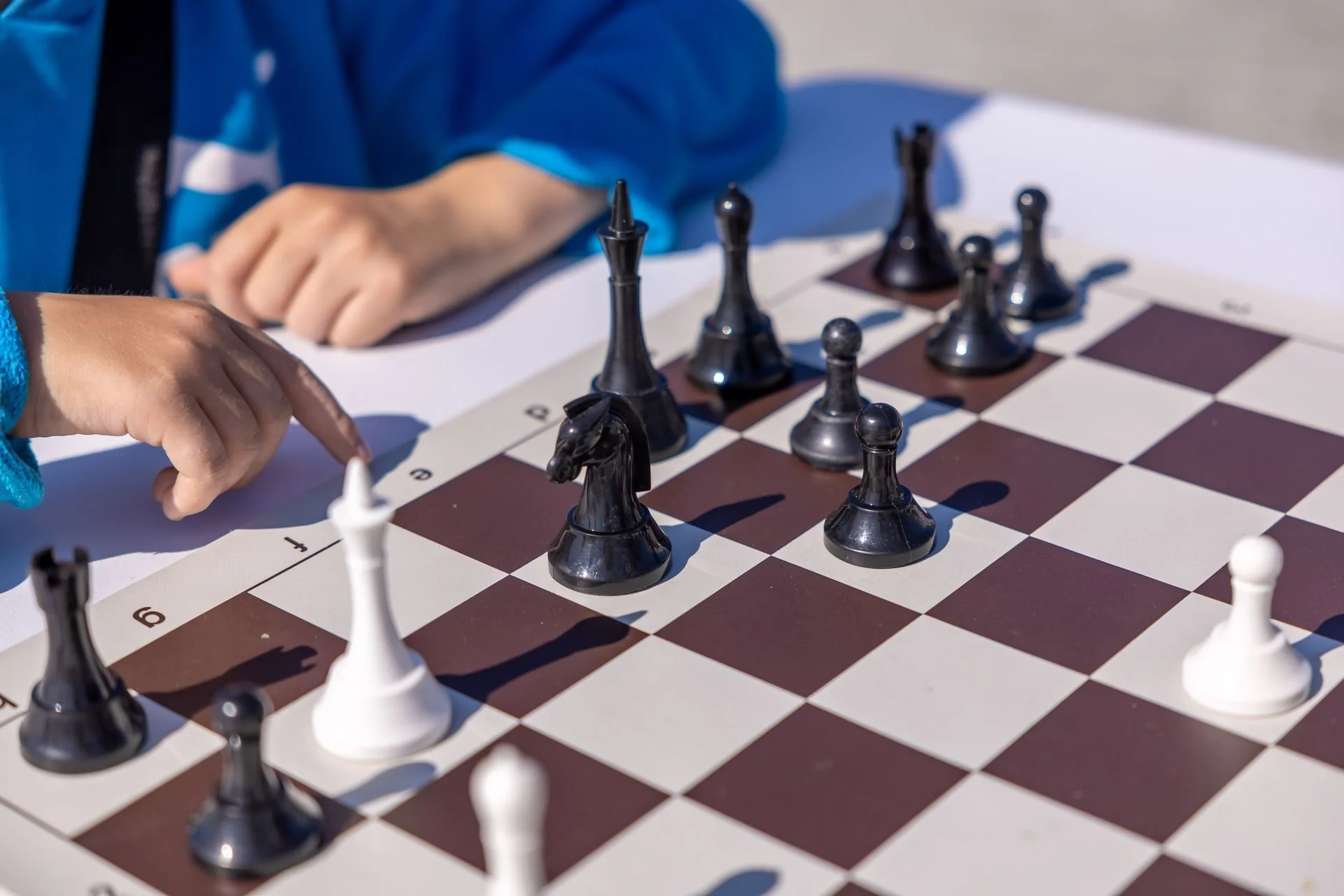
NYC Family Tournament Prep System That Matches Current Class Training
Tournament days in New York City can feel intense, especially for kids who are still learning how to manage long games, crowded halls, and subway rides. A simple, repeatable routine helps your child feel calm, prepared, and ready to use what they learned in their chess classes in New York, instead of feeling overwhelmed.
In our current Manhattan programs and fall tournament-prep cycle, we treat every practice tournament as a rehearsal for the same kinds of events many families are playing this season, including upcoming weekend tournaments at local Manhattan schools, Hunter events, and larger regional tournaments listed in our latest newsletter. This guide walks you through an at-home and travel-day system that pairs with what we are practicing in class right now, so game day feels familiar from the moment your child wakes up to the last scoresheet they pack away.
Build a Calm, Confident Game Day Before You Leave Home
Game day starts before you even step out the door. The more it feels like a normal practice day, the better your child will play.
Try to match the same wake-up window you use on school and class days. No sleeping in for hours, then rushing. After they wake up, keep a short, steady routine:
Light stretching or a few jumping jacks
Wash up and get dressed in comfortable layers
Simple breakfast at a table, not on the go
Once they have eaten, add a short chess warm-up that feels like our current class routines, not like a test. Pick one 10 to 15 minute exercise from their current United States Chess Academy homework packet or from the tactics sheets we have been sending home this month’s classes. The goal is to “turn on” their chess brain without draining them. Good choices are:
5 to 10 tactics from their sheet
One short checkmate pattern review we recently covered in class
A quick endgame puzzle you recently discussed with their coach
Skip blitz, long analysis, or stressful timed drills. We want them to feel sharp and confident, not tired.
Build a no-rush timeline and stick to it:
Breakfast done at least 60 to 90 minutes before Round 1
Screens off 30 to 45 minutes before leaving home
Leave the apartment or house with enough margin for subway delays or traffic
If the event is in Manhattan, plan as if trains will be crowded. That extra 10 minutes can be the difference between a calm child and a stressed one at the board.
Smart Packing That Mirrors Our Classroom Tools
Packing should feel like getting ready for one of our practice tournaments, not like packing for a vacation. Keep the same tools your child is used to from class, so nothing feels strange when they sit down.
This aligns with the checklist we have been sharing in class ahead of this season’s tournaments.
Tournament essentials:
USCF ID (printed or written in a notebook)
Scoresheets or a scoresheet book
2 to 3 sharpened pencils, same type used in class
Chess clock, with batteries checked
Refillable water bottle
Comfort items that help them stay steady without becoming distractions:
Sweatshirt or light jacket
Quiet fidget toy that does not make noise
Small scarf, hat, or soft blanket to keep warm in cold playing halls
Study materials to use briefly between rounds, matching what we are emphasizing this term:
Their current opening notebook with lines we are reviewing in class
The tactics book or printouts they use in lessons
A small analysis notebook, same format as in class
Whenever possible, keep the same notation style they use with us. Lined scoresheets, same pencil grip, same way of writing moves, all help the board feel like “home turf.”
For summer events or over-air-conditioned halls, think in layers. A light T-shirt, thin hoodie, and easy-on shoes work better than one heavy layer. A frozen water bottle can slowly melt through the day and stay cool.
Everything should fit in a backpack your child can carry solo. If they cannot manage it on their own, it is probably too much. Have them practice packing and unpacking the bag the night before, just like they would for one of our Central Park camps or current seasonal camps mentioned in our program emails.
Travel-Day Rhythm From Subway Ride to Tournament Hall
A calm travel rhythm keeps the day from feeling like a surprise. Try this basic timing and adjust for your neighborhood:
Aim to arrive at the subway station with extra time for delays
Plan to reach the venue 45 to 60 minutes before Round 1
On arrival: check in, find the restroom, locate their board or section, then settle their bag
On the train or in the car, keep activities screen-free and low-pressure. Some ideas that match what we are doing in our current classes:
Simple visualization games, such as “If a knight is on d4, name three safe squares,” like the knight-vision drills we have been practicing
Quietly reviewing one opening line they already know, not learning a new one
Talking through a recent training game from memory
Avoid playing online blitz or watching fast-paced videos right before the round. Those habits often lead to rushed moves when it is time for slow chess.
New York events, whether at a local school, Hunter, or a larger Manhattan site, often come with last-minute surprises. Pairings change, rounds start late, hallways get crowded. When this happens, use the “three deep breaths plus one plan” approach we have been practicing this term:
Three slow breaths, in through the nose, out through the mouth
One simple plan for the next few minutes:
“We will stand in this line together.”
“We will find a quieter corner until the round is posted.”
“We will check the pairings board again in five minutes.”
This teaches your child to respond instead of panic, which is a big part of tournament maturity and connects directly to the mindset work highlighted in our recent newsletters.
Tournament-Friendly Meals, Snacks, and Hydration
Food and drink on game day should feel familiar. No experiments, no heavy feasts.
Before Round 1, offer a balanced breakfast such as:
Protein (eggs, yogurt, nut butter)
Slow carbs (oats, whole grain toast)
Fruit for a small natural sugar boost
Keep portions moderate so they are not sleepy. Between rounds, light snacks help steady focus:
Fruit, such as bananas, apples, or berries
Nuts or trail mix without candy pieces
Yogurt or cheese sticks
Low-sugar granola bars
For lunch, think “light but filling.” Simple sandwiches from a nearby deli, rice bowls, or salads with some protein tend to work well. NYC families often grab food between rounds, so it helps to know a couple of quick spots around the venue in advance. We will continue to point out nearby food options in our tournament reminder emails for specific events.
Hydration rules we repeat in class:
Sip water slowly across the day
Avoid chugging a whole bottle right before the round
Be careful with very sugary drinks, which can lead to crashes later
Build a small “snack kit” that lives in the chess bag all season. Refill it after each event so you are never stuck with only vending machine candy during a long day.
Between-Round Reset That Connects to Class Training
What your child does after each game matters almost as much as the game itself. A simple reset routine lowers stress and gets them ready for the next round.
We suggest this mini-routine after every game, which mirrors the post-game routine we are modeling in class before the upcoming city and regional tournaments:
Quick restroom break
A few sips of water
A 2-to-3-minute walk in a hallway or outside
Short emotions check-in: “Are you feeling okay, upset, proud, tired?”
Only after that do you talk about the game. Use the same reflection frame we use at United States Chess Academy:
One thing I did well
One mistake I understand
One question for my coach
Parents can help most by listening more than talking. Let your child finish their story before you respond. If the conversation becomes tense, gently redirect with something like, “Let’s write that question down for your coach,” or, “We can look at this together at home.”
Between rounds, choose reset activities that do not drain focus and that line up with current class work:
A quiet puzzle sheet from class
A short visualization drill, such as replaying the first 10 moves of a familiar opening in their head
Sitting in a less crowded hallway or outside for a few minutes
Stick to the “no new openings between rounds” rule we share in our newsletters and pre-tournament class talks. Last-minute opening changes often cause more confusion than improvement. Trust the work already done in lessons and at-home practice, including our online training options.
Turn Each Tournament Into a Learning Loop with US
When the final round ends, your child may feel proud, disappointed, or just tired. Whatever the score, keep the ending routine simple and steady.
Right after the event:
Do a quick emotional debrief on the way home: “What felt hardest? What are you proud of?”
Celebrate the effort, not just results
Make sure all scoresheets and notes are safely in their notebook or folder
Those scoresheets are gold for future training. In our classes, camps, and seasonal programs, coaches use real tournament games to:
Spot recurring blunders and turn them into small, clear goals
Choose endgame themes for the next few lessons
Adjust opening choices for the next NYC event in Manhattan, at Hunter, or elsewhere
We build this tournament-review loop into our upcoming programs and highlighted events in the newsletter, so games from, for example, next month’s Manhattan weekend tournaments feed directly into the following week’s lessons.
Over time, each tournament becomes part of a loop: class work, at-home routine, tournament, review, then updated goals. Parents who follow a consistent at-home prep schedule find that this loop feels less stressful and more predictable for the whole family.
When your child walks into their next event with a familiar bag, familiar tools, a familiar morning, and a familiar way to review games, tournaments stop feeling scary. They start to feel like what they really are: one more chance to apply what they have already learned in their chess classes in New York and take the next small step forward.
You can even use registration deadlines or upcoming events listed when you explore our program sign-ups and our current tournament calendar in the newsletter as anchors for when to ramp up this routine at home, so both training and the specific upcoming tournaments your family is registered for move in the same clear, connected direction.
Unlock Stronger Chess Skills With Expert Coaching
If you are ready to help your child think more clearly, compete more confidently, and enjoy the game on a deeper level, our in-person chess classes in New York are the best next step. At United States Chess Academy, we tailor each lesson to your student’s current level so they can make real, measurable progress. Reach out to contact us today and we will help you choose the right program and schedule to fit your family’s needs.