How In-Person Chess Classes Enhance Strategy
Learning chess is more than just figuring out where the pieces go. It is about training your brain to notice patterns, think ahead, and make smart choices in the moment. That is what makes it so special. In person chess classes can make this kind of thinking easier to grow, especially when you are surrounded by teachers and classmates who are there to help.
Here in Manhattan, it is easy to feel rushed. But chess slows things down, one move at a time. These classes teach students, young and old, to pay attention, to stay calm, and to think before acting. Over time, that kind of practice adds up. The gains are not always fast, but they do stick.
Learning by Watching and Doing
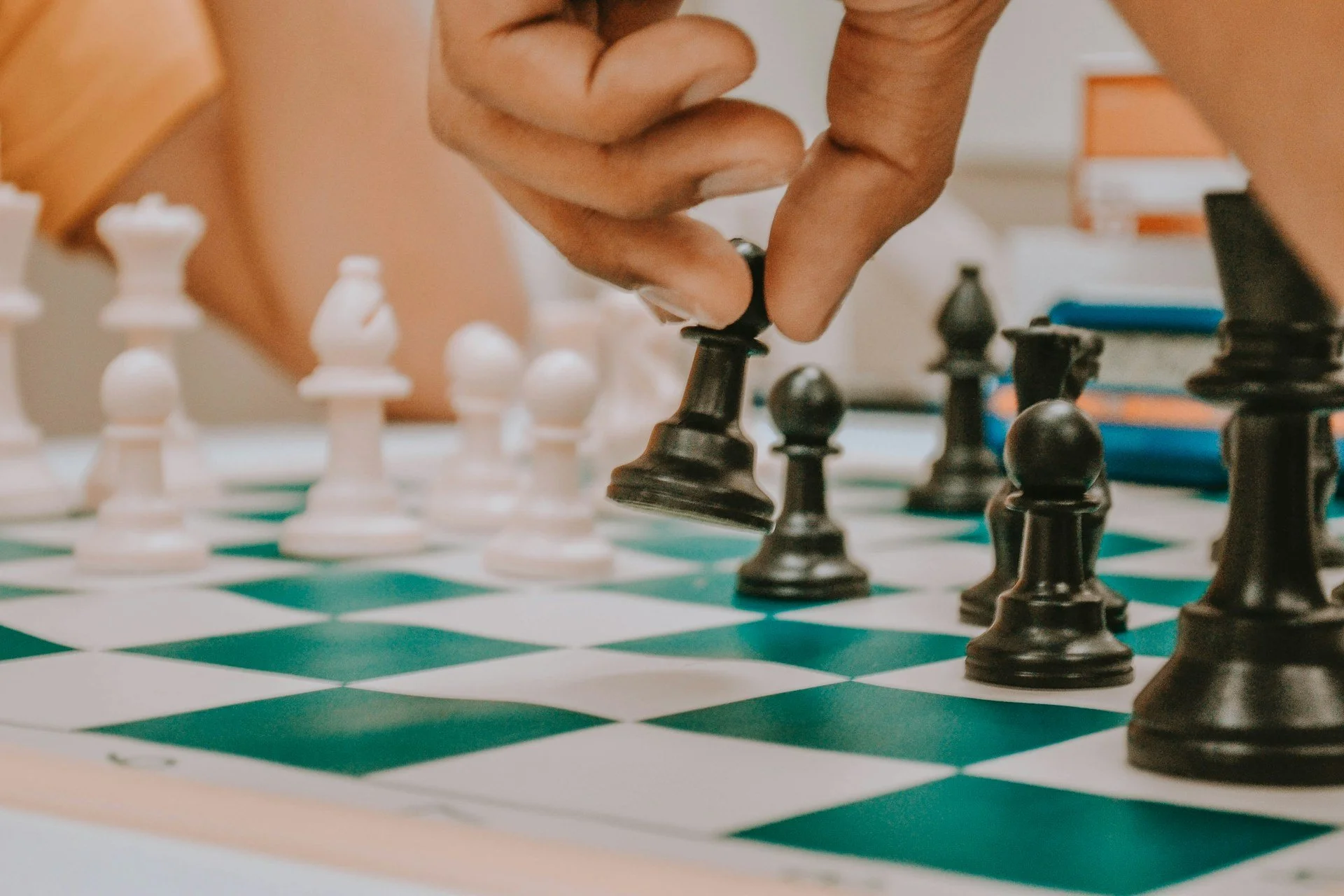
Learning a new move from a book or watching a video can help. But there is something different about seeing it in real time, right in front of you. Being in the room with a teacher means we get to ask questions the second we think of them. There is no waiting or guessing. That kind of back-and-forth makes the lesson more active and helps the ideas stay in our heads.
In person classes are especially helpful because they go beyond just talking. We get to practice each step right away. This helps the memory and gives our hands a chance to try out what our brains just saw.
• Seeing the move played on the board helps students picture what is happening
• Asking questions in real time clears up confusion before it sticks
• Active practice keeps learning from getting too passive or slow
When you are actually sitting at the board, you feel the learning in your hands, not just your head. That kind of learning stays with you longer.
Getting Real Feedback, Right Away
Mistakes are part of learning chess. But when no one points them out early, they can turn into habits that are hard to change later. In in-person lessons, teachers notice the small stuff right away. Little slips do not sit for long. We get help correcting them as they happen, not a week later when we forget what we were trying to do.
That quick feedback matters. Try a move, get it wrong, fix it, and then try it again. That back-and-forth builds muscle memory and helps students feel more sure of themselves next time.
• Teachers can spot problems before they become habits
• Corrections happen during the lesson instead of waiting for the next one
• Early help builds stronger habits and more confidence over time
With steady feedback, learning flows better. We start to see progress, and it shows up not just on the board, but in how we think.
Thinking Ahead and Slowing Down
Chess teaches a very quiet skill that carries over to real life: learning to pause. Before touching a piece, you stop. You scan the board, you picture what could happen next, and you look ahead a few steps. That space between wanting to move and choosing how is where strategy lives.
With in-person teaching, we get help building that skill slowly. Teachers talk through the logic behind moves, show us sample outcomes, and help us pause before rushing. Over time, that starts to feel natural.
• Chess shows the value of waiting and checking before reacting
• Teachers model clear thinking steps so we are not guessing
• Planning ahead becomes part of how we think, not just how we play
Slowing down does not mean playing slow. It means choosing wisely rather than quickly. That is a skill many of us can use outside the game.
Learning with Others Helps Everyone
Something changes when we are not alone at the board. A quiet room turns into a space where ideas bounce between players. When students learn together, they notice things they might miss on their own. They also get to see how others solve the same puzzles in different ways.
Group settings are not just more social. They encourage us to talk through ideas, ask more questions, and be willing to learn from mistakes out loud. It can feel like working as a team, even when we are playing against each other.
• Students learn by watching how others think
• Group energy makes lessons feel more fun and active
• Talking through moves sharpens thinking for everyone
The group is not there to compete. It is there to support. Shared learning helps all of us make progress together.
Building Strategy that Stays
What we learn in a single in-person lesson will not change everything. But when those lessons add up over time, they build real thinking habits. In person chess classes give space for those habits to grow slowly, in real conversation and face-to-face feedback. That kind of learning stays with you.
Chess teaches more than how to win. It guides us toward thinking before acting, being patient with hard tasks, and not giving up after a wrong move. These are strategies that go far beyond the board.
• Repeated lessons help ideas settle in over time
• Face-to-face lessons build steady learning, not just quick tips
• Thoughtful strategy shows up at school, at work, and in daily choices
That is the true benefit of learning chess in person. It is not just about better games. It is about clearer thinking, calmer choices, and stronger focus, at the board and in life.
United States Chess Academy: Quality Face-to-Face Lessons in Manhattan
At United States Chess Academy, our in-person chess classes and private lessons in Manhattan, New York, are led by seasoned instructors with years of experience developing players’ skills, focus, and sportsmanship. Our classrooms are designed for interactive learning and engaging group sessions so that each student can improve through real play, hands-on feedback, and a supportive chess community. By practicing together in person, our students build both friendships and stronger chess habits that last well beyond each class.
Start Building Strategy in Your Game This Winter
At US Chess Academy, we help Manhattan players of all experience levels develop strong thinking skills through chess. Our face-to-face lessons focus on steady progress that leads to meaningful results both on and off the board. Whether you want to build a solid foundation or take your strategy to the next level, our instructors are here to guide every step of your journey. Explore our in person chess classes to see how learning in real time can change the way you think and play, then contact us to schedule a lesson that works for you.