Reading Tournament Boards: How USCA Kids Study Chess Like Pros
How Reading Tournament Boards Turns Kids Into Confident Players
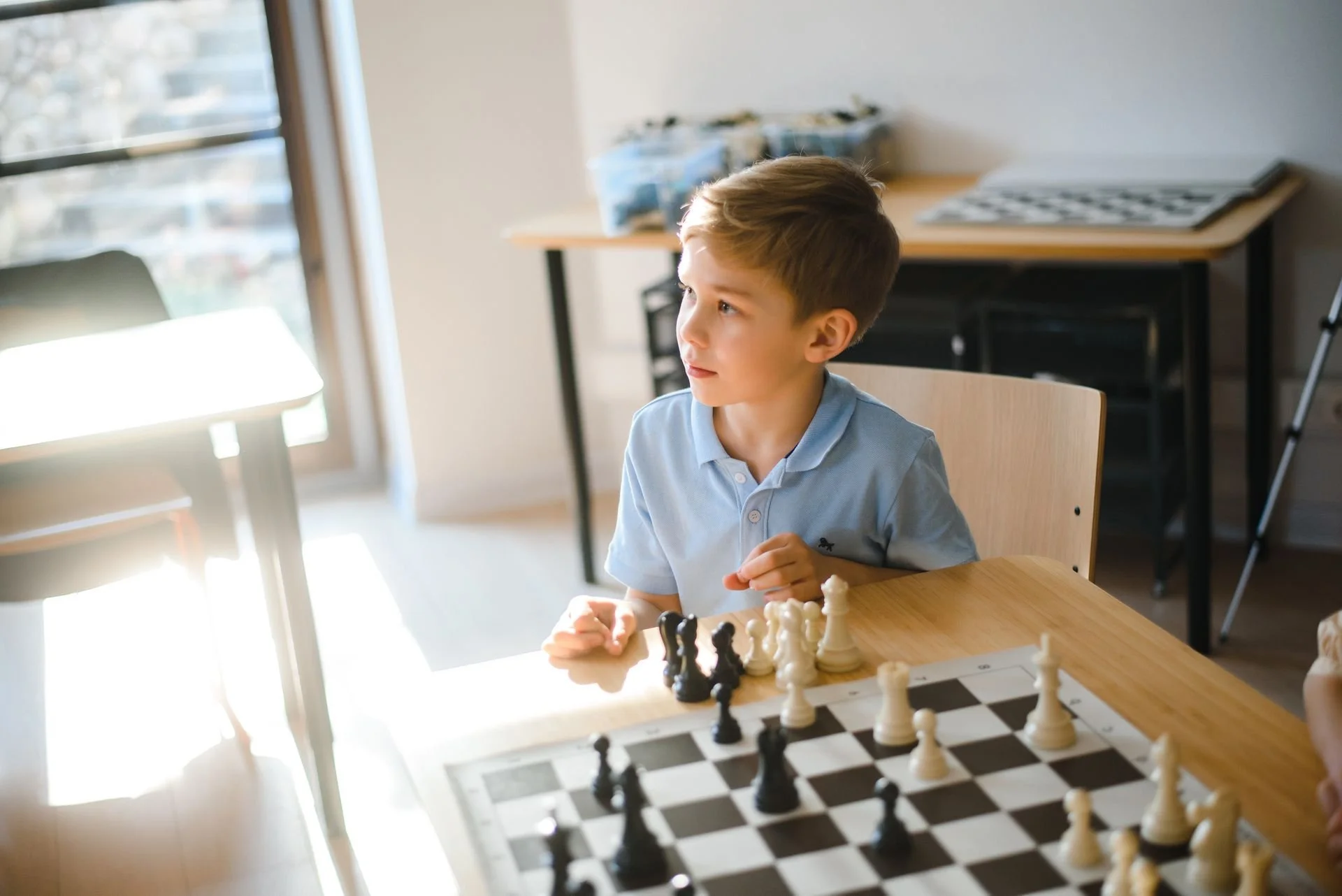
Learning to study chess from real games is one of the fastest ways for kids to grow, and it does not only happen in the classroom. At recent tournaments, you can see groups of kids standing near the top boards, eyes glued to the pieces, following every move without a coach whispering in their ear. They are not just passing time while they wait for the next round. They are training themselves to think like serious players.
At United States Chess Academy in New York City, we teach our students to “read” live tournament boards the way strong players do. This habit turns tournaments into moving textbooks. It helps kids build focus, pattern recognition, and the calm confidence they need when it is their turn to sit at the board. Right now, as families gear up for late summer and fall events like USCA tournaments, local Manhattan scholastics, and big city events such as the Hunter tournaments, this skill is making a real difference.
Why Tournament Boards Are a Classroom Without Walls
When our students walk into a tournament hall, we treat the whole space like an extra classroom. Yes, the main lesson is their own game. But all those other boards, especially the higher-rated sections, are full of ideas waiting to be studied.
Watching live games helps kids practice skills that are hard to build with only puzzles or online games. While they quietly follow a board, they work on:
Tracking the whole position, not just one piece or one threat
Spotting simple plans for both sides, instead of thinking about “good moves” in isolation
Noticing practical details, like how much time is left on each clock
This kind of focused watching lines up with what many teachers describe as deep learning. Resources like Education Week’s coverage of chess and academics explain how chess thinking can support attention and planning. Tournament-board study is a very direct way to practice those skills.
We also know a giant hall full of boards can feel overwhelming, especially to younger players. During events and camps, our coaches:
Group students by level, so each child knows which boards are right for them to watch
Point them toward games that match what they are learning that week
Keep an eye on energy, sending kids to take a short break when focus drops
In our seasonal camps, such as our Central Park camp, we add guided “board walks.” A coach leads a small group from game to game, whispering questions such as “Which side is better developed?” or “Which king looks safer?” This turns random spectating into a structured, fun way to study chess.
How USCA Kids Learn to Read a Live Game Move by Move
Reading a live game sounds fancy, but we break it into small, clear steps that kids can repeat on their own. In class, we use a demo board to model the process, then we send students out to apply it quietly at real events.
Step by step, it looks like this:
1. Opening ideas
As the pieces come out, we ask: Who is fighting for the center? Which side is developing faster? Is either king ready to castle?
Kids learn to name basic opening goals instead of memorizing move orders.
2. Guessing the next move
After every position, students try to predict the next move for one side.
When the real move is played, they compare: Was their idea similar or different? Why might the player have chosen something else?
3. Labeling what just happened
We help kids give a simple “tag” to each phase: attack, defense, simplification, endgame transition.
These labels make long games less blurry. A child can say, “This is where the attack started,” instead of just “Around move 20, something happened.”
In class, coaches think out loud so students can hear the process: “If I play here, what is the opponent’s idea? What are my candidate moves?” During tournaments, we ask them to replay that same inner script silently when they stand by a board.
This routine builds discipline and stamina. It trains kids to stay mentally active for long stretches, which becomes very clear during weekend tournaments, local Manhattan scholastics, and our own internal ladder events. Afterward, the positions they watched come back into lessons, either on physical boards or using online tools like our online lessons, so they can connect what they saw live with focused practice.
Turning Spectating Into Serious Chess Study
There is a big difference between just standing near a game and truly using that time to study chess. Many kids start by simply watching pieces move. We teach them a few simple tools that help them turn that time into real training, even when it is not their round.
We give our players a short mental checklist to keep in their heads as they walk through the playing hall:
Who controls the center right now?
Which king is safer?
Which pieces are still “sleeping” and not doing anything?
Is one side ahead in development or material?
Along with that checklist, we ask them to do two more things:
Quietly count material and notice the pawn structure, so they can guess long-term plans like “play on the queenside” or “attack the king.”
Ask “What would I play here?” every few moves so they are never just staring at the board.
Between rounds, our coaches like to debrief quickly. We might gather a few kids and ask, “What was the most confusing position you saw?” or “Did you see any cool checkmates?” Then we sketch one or two of those positions on a demo board or tablet and talk through the main ideas. This helps the kids feel that their quiet watching really matters.
Parents often tell us they notice their children spending less time on phones at tournaments and more time near the top boards. That is exactly the kind of habit we want to build during busy tournament seasons, whether it is at USCA events or big city tournaments like those held in Manhattan and at Hunter.
Bringing Tournament-Board Skills Back Into USCA Classes
What kids see on the tournament boards does not stay at the tournament. It shapes what we do back in our classrooms.
We use a simple feedback loop:
Kids play and watch games at events.
Coaches notice patterns: common blunders, strong attacking ideas, tricky endgames.
Group lessons and newsletters highlight those themes with puzzles and game fragments from recent events.
If we see many games decided by rook endings, we are more likely to focus on rook activity and king position in our next round of lessons. If attacks on the king keep failing because of missing defenders, “attacking the king safely” might become a camp theme. Programs like our themed camps and pre-tournament prep classes grow directly out of what students are facing over the board.
We also help families connect this to home practice. When a child says, “I saw a really hard position in someone else’s game,” that can become a short at-home activity. They can set it up on a board, explain what both players were trying, then later meet that same pattern again in class or in a puzzle set. For families who want structured support between events, enrolling in current USCA programs keeps those patterns fresh and connected to real training goals.
Over time, kids learn that they are not just playing more chess. They are learning how to study chess like serious competitors, guided by Grandmasters and titled coaches who tie every tournament back to focused lessons.
Help Your Child Use Every Tournament as a Lesson
Parents play an important part in this habit. Small shifts in what you ask after a tournament can change how your child thinks about the game.
Instead of only asking, “What was your score?”, try questions like:
“What was the most interesting position you saw on another board?”
“Did you see any cool sacrifices or checkmates?”
“Was there a game that looked really hard to understand?”
These questions tell your child that watching and learning matters as much as the final result.
You can also support this approach at home with simple follow-ups that match what we do at United States Chess Academy:
Ask your child to set up one memorable position from a tournament board and explain what each side wanted.
Use a small puzzle set that looks like the same kind of position, for example, a simple rook ending if that is what they saw a lot.
Encourage them to talk through their thought process, not just the “right move.”
When kids learn to treat every tournament board as a lesson, their progress speeds up. They do not just play game after game and hope things click. They gain habits that Grandmasters use: watching strong games, asking good questions, and turning real positions into study material. Over time, that mindset is what turns nervous players into confident, thoughtful competitors who know how to study chess like pros.
Start Building Strong Chess Skills With Guided Study
If you are ready to turn casual games into real progress, we invite you to study chess with structured guidance from United States Chess Academy. Our coaches help you understand positions deeply, build consistent habits, and stay motivated between lessons. Tell us about your goals, current level, and schedule and we will match you with a learning plan that fits. Have questions before getting started? Just contact us and we will walk you through the next steps.