
Kids’ Rapid Chess Time Management: Clock Routines, Move Checks, When to Slow
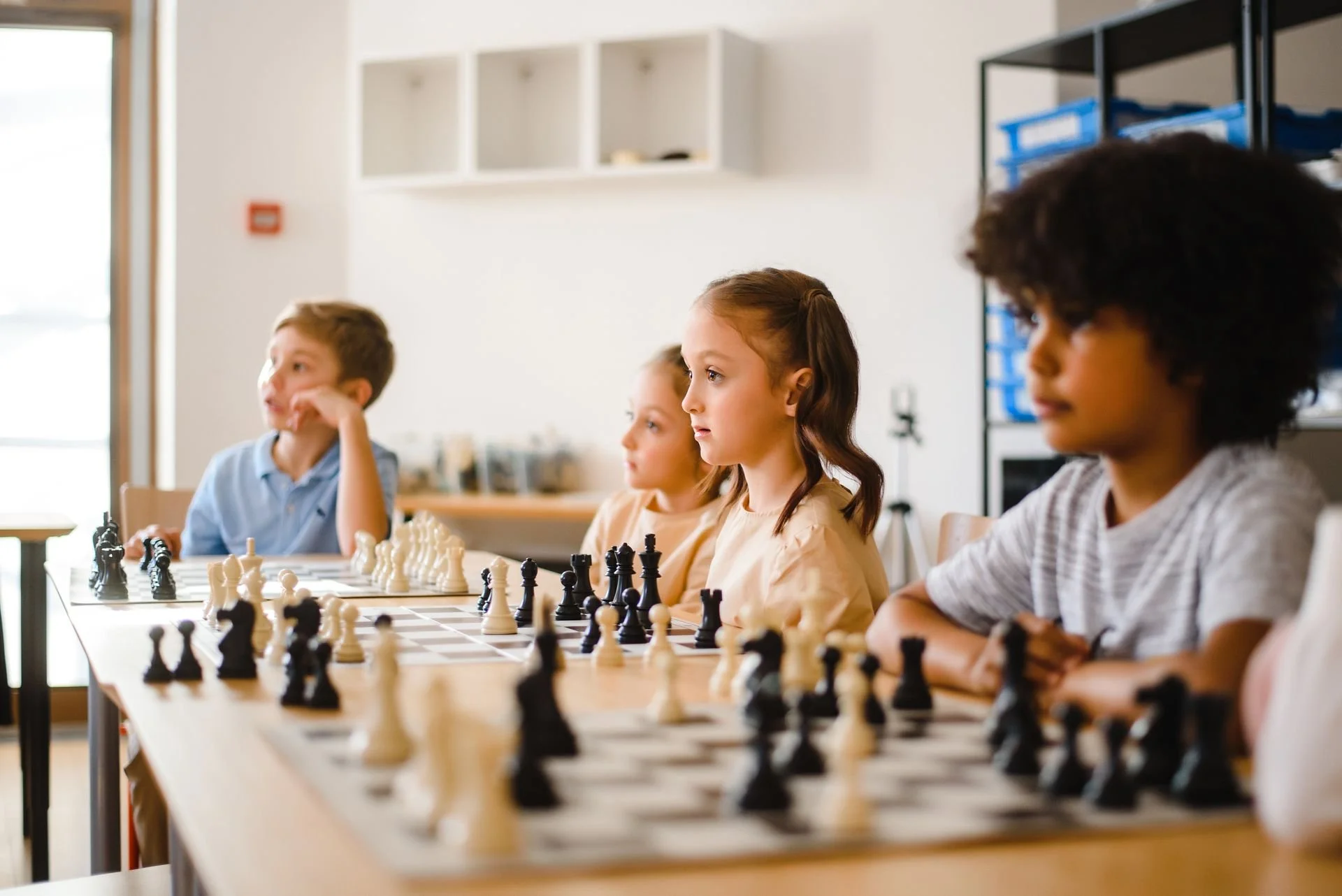
Time pressure is one of the biggest reasons kids lose winning rapid games. They rush in the opening, burn time in simple positions, then panic when the seconds tick down. The good news is that smart clock use is a skill they can build, move by move, just like tactics or openings.
In our New York groups we see this every week, especially from kids getting ready for their next rapid chess tournament in Manhattan. When they learn clear routines for the clock, they stop fearing time trouble and start using it as a strength. Here we will share practical habits your child can practice at home and at local events so the clock starts working for them, not against them. For a broader look at how competitive chess formats work, the FIDE handbook outlines standard time controls and tournament structures.
Turn Nerve-Wracking Clocks Into a Secret Weapon
In a fast game, it is easy for kids to go into “panic mode.” They see the clock counting down, their hands start moving on their own, and good moves disappear. Or the opposite happens, they freeze, stare at the board for a full minute, and then still make a random move.
We treat time management as a trainable skill. Kids are not “slow players” or “fast players” forever. With clear rules and repetition, they can learn exactly when to speed up and when to slow down, especially in games played on the digital clocks used across Manhattan events.
Here is what helps most:
Simple clock routines your child can repeat every game
A short move-checking habit before pressing the clock
Clear signals that say “now is the moment to think”
Our training is serious and tournament-focused, but we keep it fun. When kids understand the plan for their time, rapid games feel exciting instead of scary.
Build a Solid Opening Clock Routine at Home
Strong tournament habits start before your child even sits down at the board. You do not need a full training camp at home. A short, consistent warm-up can make a huge difference.
Before a rapid event, try a 10-, 15-minute routine:
5, 10 minutes of quick puzzle “sprints” on paper or a device
One short practice game at the same time control as the event
A simple talk afterward: “Did you rush or think too long in the opening?”
Many families do this at home or even quietly finish a puzzle sprint in the car before going into a school or club event. That way, the first serious calculation of the day is not on move 3 of round one.
We also teach a “First 10 Moves Routine” that kids can memorize:
Develop knights and bishops quickly
Castle early if it is safe
Do not spend more than 30, 40 seconds on a normal move
Only slow down if there is a capture, a check, or a direct threat
This gives kids a script for the start of the game. They do not need to panic about the clock or stare at the board waiting for inspiration.
Families who enjoy following higher-level chess can see how strong players also rely on patterns. Articles like Inside Story: A Long Time Coming | USChess.org help kids realize that even top events are full of players using prepared ideas, not just random thinking every move.
Our group classes practice this same routine on digital boards. When we run in-house rapids and when kids prepare for local spots like Hunter or other Manhattan tournaments, we use the same time controls so the opening habits feel familiar.
Smart Time Use in the Opening and Early Middlegame
Once the game starts, the main question is: when should your child play fast, and when should they invest time?
Good moments to move a bit quicker:
Familiar openings they know from lessons
Simple recaptures their coach has shown many times
Normal developing moves that match their tournament repertoire
In these cases, the move should already “live in their hand.” Thinking for a full minute in a position they have seen ten times just wastes time they will need later.
Before every move, though, we ask students to do a quick “one-check, one-blunder” scan:
Look for checks against your king
Look once for obvious blunders: hanging pieces, easy forks, or back-rank tricks
Only after this scan should they press the clock. This habit takes just a couple of seconds but prevents a huge number of lost games.
At many local rapid events, including those in Manhattan, time controls around 10, 15 minutes per side are common. A simple goal that we use in lessons:
Reach move 15, 20 with at least half of your time still left
This leaves enough time for the tricky middlegame and stops kids from drifting into time trouble in totally normal positions. Online practice with a coach is great for this, since you can repeat the same time control again and again. Parents often like the structure of supervised training such as our online lessons format when building those habits.
When to Slow Down and When to Trust Your Training
Kids often treat every position the same, either always rushing or always tanking. We try to give them two clear “slow down” signals.
Tell your child to pause and think more deeply when:
There are several captures or checks to choose from
A king suddenly looks open, either theirs or the opponent’s
These are the moments when one move can decide the entire game. Spending an extra 60, 90 seconds here is usually worth it.
On the other hand, some positions are “trust training” moments. Once kids have drilled a type of position many times in class, they should not burn all their time on it. This often includes:
Standard endgames they have practiced with a coach
Simple recaptures that follow a known pattern
Common structures from their main openings
In our New York groups, we simulate these decisions with:
Clocked training games where coaches watch time use
“10 seconds to decide” drills in familiar positions
Reviews of past games from Manhattan rapid events and other local events
When kids see, “Here is where you really needed to slow down” and “Here is where you could have trusted your training,” the message sticks.
Endgame Time Management Kids Can Actually Use
Even younger players can learn to think about the endgame clock. A simple target they can remember: when queens are traded and most pieces are off, try to have at least 2, 4 minutes left in a typical rapid game.
We give kids a short endgame checklist so their thinking stays clear even when the clock is low:
Activate your king, walk it toward the center or the action
Push passed pawns, but only when they are safe
Avoid random pawn moves that create weak targets
Before every move, ask “Is anything hanging?”
This keeps them focused on big ideas instead of random checks. It also works well in training camps and labs that play with real clocks, not just online timers. Outdoor formats, like our board-based sessions tied to Central Park camp activities, help kids feel what it is like to finish an endgame with both real pieces and real pressure.
The more often kids win or draw slightly worse positions with only a couple of minutes left, the less they fear low time at serious events.
Practice Tournament Habits Before the Big Manhattan Events
Good time management is not just about the moves during the game. It is also about what your child does between rounds.
We often suggest that families treat in-house events, weekend quads, and friendly tournaments as “rehearsals” for bigger places like Hunter and large Manhattan rapid events. Try to use:
The same type of snacks and water plan
The same time controls, if possible
The same opening choices your child will play at main events
Between rounds, a short ritual helps reset the mind:
Take a quick walk away from the playing area
Drink some water and do a few deep breaths
Ask one question: “What did I do well with my clock that game?”
We want kids to think about their choices, not just the result. Did they reach move 15 with enough time? Did they slow down when there were many captures? This simple reflection builds self-awareness. Parents can quietly support without doing any coaching themselves.
Our structured rapid nights and training sessions keep returning to these themes. When kids face the same questions over and over, the answers become natural habits.
Putting Clock Skills Into Action
The last step is simple: use these routines in real games. Serious practice with titled coaches, regular events, and thoughtful review makes time management feel like part of chess, not a separate skill.
Families can keep a tiny “clock goals” list in a notebook or in the chess bag, with items like:
“Reach move 15 with at least half my time.”
“Always do a blunder check before pressing the clock.”
“Slow down if there are many captures or my king feels open.”
When kids, parents, and coaches all talk about time in the same clear language, progress comes quickly. Over time, that once scary clock becomes just another tool they know how to handle, whether they are playing in a small school event, a Hunter weekend, or their next rapid chess tournament in Manhattan.
Help Your Child Turn Better Clock Habits Into Confident Tournament Play
If your child is ready to practice these time-management routines in real games, our coaches are here to guide the process step by step. At United States Chess Academy, we build the same clock habits in lessons that kids will rely on in every rapid chess tournament in Manhattan. If you would like help figuring out the right class, lesson plan, or event for your player, please contact us so we can recommend a path that fits your child’s goals and experience.