Learn Like a Pro with Chess Training Programs
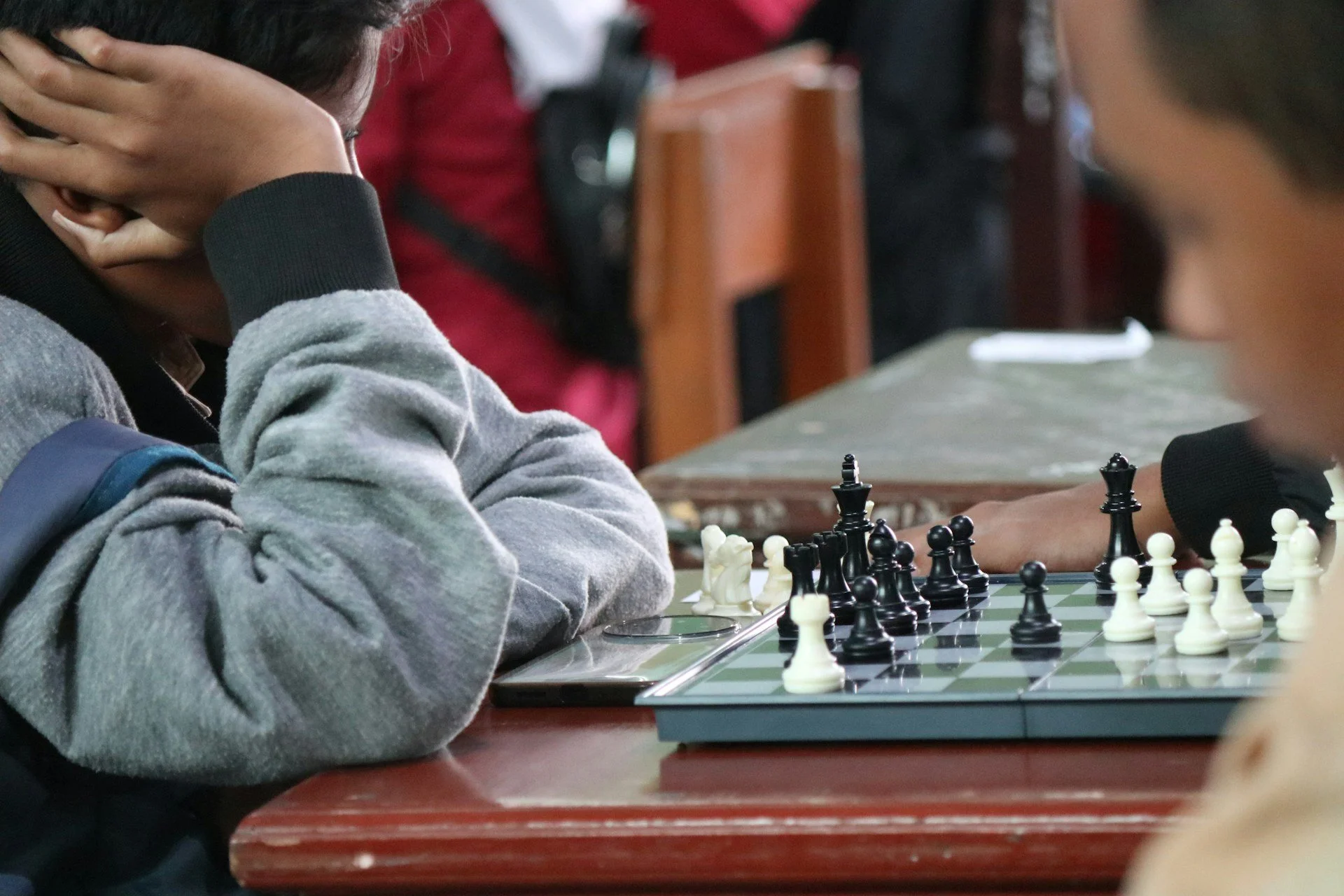
When we think of chess, we might picture two people sitting quietly as they move small pieces across a board. But what’s really happening in those moments is so much more. Chess teaches us how to pause, think ahead, solve problems, and stay calm under pressure. These are skills that help far beyond the board.
That’s why chess training programs can make such a big difference. With steady lessons, guided by someone who knows how to teach clearly, players get the chance to grow their thinking step by step. In a place like Manhattan, where life moves fast and distractions are everywhere, having a regular moment of focus can be a welcome break from the rush. And when it’s cold outside, starting a new indoor learning routine can feel just right. Winter gives space for slow thinking, and chess offers the perfect pace.
Why Choose a Chess Program Instead of Learning Alone
Learning something new can feel exciting, but it can also be confusing without a clear path forward. That’s where a good program comes in, especially for chess.
• A coach keeps lessons focused, but not stressful. Questions are always welcome, and lessons move at the right pace.
• Learning alone can leave players second-guessing. With a coach, there’s feedback, support, and reminders that progress is happening.
• Training programs notice early patterns and help players use their strengths. Some learn by seeing, others by talking things out, both are welcome.
A structured program also provides reliable guidance that cuts down on confusion. Instead of feeling lost or overwhelmed, students can relax knowing they are supported. Instead of guessing the next steps, learners get to build confidence in a steady, personal way. Motivation also grows because you see regular progress and understand where you are improving, making each lesson feel rewarding. That structure helps cut frustration and keep energy focused on growth.
Being part of a group or class within a chess program can also spark excitement. Learning together adds energy to each lesson, and friendly encouragement makes the whole experience much more enjoyable. Regular lessons give you chances to ask questions that may pop up along the way, rather than waiting until you find an answer alone, keeping you engaged and curious as you learn.
What Makes a Strong Chess Coach
Not every good chess player is a good teacher. What really helps someone learn is a coach who listens, who knows how to explain things simply, and who sees each student as an individual.
• A strong coach pays attention to how a player thinks, not just which moves they make.
• The best learning happens when lessons feel clear, simple, and calm.
• When students feel comfortable, they ask more, think deeper, and stick with it, even when the game feels tough.
Chess coaches create an environment where learning feels safe, which means there is no pressure or worry about making mistakes. This makes students more open to trying new moves and strategies, knowing they can always talk through what’s working or not. Sometimes, encouragement from a coach makes all the difference in sticking with a challenge and not giving up when things get tricky.
Trust grows week by week. And it’s that trust that helps players push themselves a little farther each time, without dreading mistakes. When coaches pay close attention to both your playing style and your personality, lessons feel personal and progress happens at just the right speed. Coaches help turn tricky parts into clear steps and show how each small improvement leads to better games. Their patience and encouragement can turn even difficult lessons into positive, memorable experiences.
How Chess Practice Builds Real-Life Skills
The effects of good training aren’t just seen at the chessboard. They show up in school, at work, and in day-to-day thinking.
• Regular lessons teach how to look at a problem, pause, and plan. It’s not about rushing, it’s about thinking cleanly and quietly.
• Learning to wait and prepare for the right move builds patience, something useful way beyond the game.
• Players learn that setbacks can be useful. A lost game isn’t the end. It’s a chance to see what didn’t work and try again.
Chess also helps students handle stress and disappointment with more confidence. When you lose a game, you learn to review your decisions, notice patterns, and try different strategies next time. This habit of reviewing, learning, and improving is valuable for any part of life, not just board games. Over time, students find themselves making choices more thoughtfully in everyday situations.
These aren’t lessons that come all at once. They build over time, naturally, like pieces clicking into place. Each practice session is an opportunity to sharpen focus and exercise patience. As lessons continue through winter, students discover that these skills help them feel more prepared, not just for chess but for school, friendships, and new challenges they face. The careful pace of winter learning lets these habits really settle in, and that slow, steady growth becomes part of who you are.
Getting into a Winter Learning Groove in Manhattan
Cold weather in Manhattan often makes people turn inward. Days are shorter and evenings feel quieter. That makes it a great season to take up something steady that engages the mind without screens or noise.
• A weekly session becomes something to look forward to, a quiet hour where focus comes a little easier.
• When other plans slow down, having a chess lesson adds structure and helps keep the brain active.
• The regular rhythm of lessons builds a habit. Progress starts to feel natural, even during busy weeks.
Winter’s atmosphere in Manhattan encourages learning routines. The city lights glow earlier, and the world outside feels a bit more peaceful. Chess lessons slip easily into this quieter time of year, creating a cozy, productive spot in your week. This is a season when families spend more evenings indoors, making it simple for parents and children to share time around the chessboard.
Instead of fighting the season, we can lean into it, with slow steps, warm jackets, and a calm place to learn something special. By exploring chess during the winter, you give your mind a project to work on while you enjoy quieter nights indoors. That rhythm carries into spring, as each lesson adds up to real improvement and a stronger love for the game.
What to Expect in the First Few Months
Starting a chess program doesn’t require any special background. You don’t have to know all the rules or make perfect choices on day one.
• Most lessons begin with the board itself, how the pieces move, and what makes a good decision.
• With practice, patterns begin to feel familiar. Players start looking a few steps ahead without even meaning to.
• Wins may not come right away, but better thinking usually does, players find themselves more focused, more patient, and quicker to find helpful choices in tough spots.
Early lessons focus on learning the names and movements of each piece. You’ll also practice how opening, middle, and endgame strategies work together. Early progress might involve recognizing basic traps or common setups, while more advanced players polish their planning and quick thinking skills in different game situations.
The goal early on isn’t to win. It’s to understand the game, feel comfortable with the process, and start building a smart, thoughtful way of playing. Students are reminded that every mistake is just another step toward learning. Each lesson becomes a chance to try something new and gradually feel more confident, both at the board and in other parts of life. Small wins pile up, and every time you notice yourself making a better move, it’s proof that your hard work in lessons is making a real difference.
Start Strong and Keep Going with Steady Support
Playing well doesn’t happen overnight. Nobody makes the best choices every time. But when students stick with it and get the right kind of support, growth starts to feel steady and real.
• Good learning isn’t about being perfect. It’s about improvement, even when things feel tricky.
• When someone sticks with a plan and keeps asking questions, small steps begin to add up.
• Feeling seen, heard, and supported makes trying feel worthwhile, even on hard days.
With a little patience and some steady guidance, that early curiosity for chess becomes something more. It becomes calm focus, stronger decisions, and pride in what’s possible with quiet effort over time.
Ready to embrace steady progress this season? Our Manhattan instructors at United States Chess Academy are here to help you develop lasting skills in a welcoming environment. We guide players at any level and believe growth is most rewarding with a thoughtful approach. Our in-person lessons give you space to focus and refine your moves, especially during the quieter winter months. To start with one of our local chess training programs, contact us today.