One-Weekend Manhattan Tournament Readiness Plan: Practice + Checklist
Turn One Manhattan Weekend Into Real Tournament Readiness
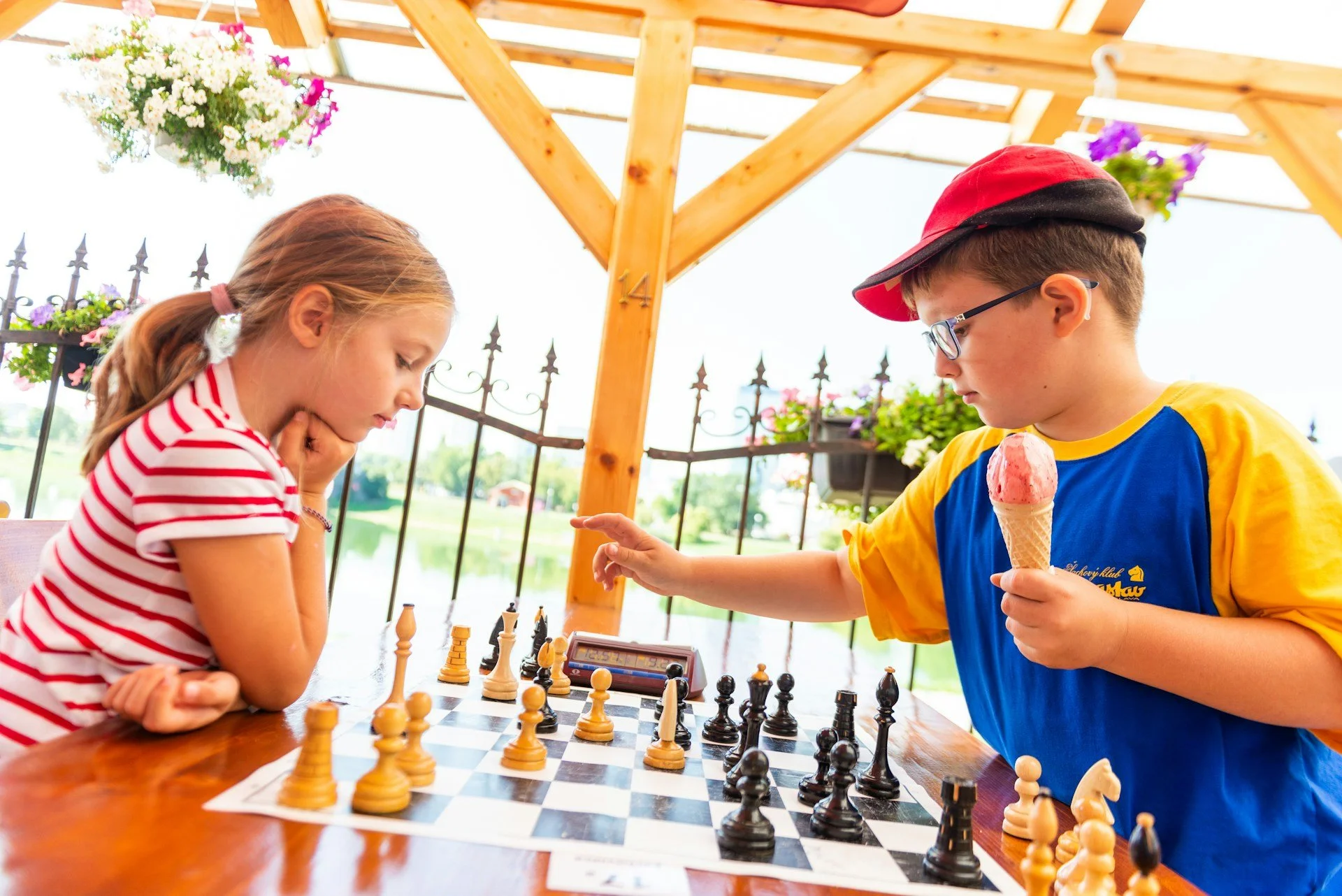
Getting ready for a real chess tournament in Manhattan can feel big for both kids and parents. There are new faces, clocks ticking, scoresheets, and long days of focus. The good news is that strong tournament play does not come from cramming on Saturday morning. It comes from one calm, clear week of practice before the event.
This month in our United States Chess Academy classes, we’ve been reinforcing exactly these skills in preparation for the upcoming Manhattan weekend tournaments, including our students’ regular appearances at Hunter and other city events. What we’re practicing in class is meant to mirror what families experience at these tournaments and what we’ve been highlighting in our newsletters.
This guide walks through a simple plan that lines up with our current class themes: what to focus on in class and at home during the week, how to handle tournament day, and how to review games afterward so every event becomes a step forward, no matter the final score.
Monday: Build a Solid Opening Plan (Theme: Comfortable Openings)
On Monday, we want one thing: a simple, trustworthy opening plan. This is not the time to learn a brand-new system from scratch. Instead, we narrow down to openings your child already knows from class and coaching.
In our groups and in-person lessons, our current Monday focus includes:
Looking at common opening positions our students actually reached in recent games at local Manhattan events and school tournaments
Highlighting basic ideas like quick development, king safety, and control of the center
Showing typical traps kids see at local events, and how to avoid quick blunders
This aligns with the opening examples and diagrams we’ve been sharing in our recent newsletters.
At home, you can match this focus without turning it into homework. Try this:
Pick 1 or 2 openings with White and 1 or 2 with Black that your child already plays and has seen in class over the past couple of weeks
Set up the board and play out the first 8 to 10 moves together from those openings
After those moves, pause and ask three questions:
Is my king safe?
Are my pieces active?
Do I understand what I am trying to do next?
This kind of short, relaxed practice builds comfort. In real chess tournaments in Manhattan, players often get nervous when they see a new opening, or when their opponent makes an odd move. When students feel steady with a small opening set and clear principles, the same ones we are emphasizing in class that week, they feel less panic and more, “I know what to do here.”
Tue & Wed: Clock Confidence, Calm Decisions (Time Management)
By Tuesday and Wednesday, we shift focus to the clock. Time control should feel like a tool, not a monster. Many local events use controls like G/30 or G/45 with a small increment, so we match that in class as we get ready for the upcoming Manhattan weekend tournaments. You can explore standard US Chess time controls and tournament formats.
In our group sessions and online lessons, our current time-management work includes:
Training games at the same time control students will see on the weekend
“Time ladders,” where we gently reduce the time while reminding students to keep move quality high
Short talks about classic time trouble problems, like:
Moving instantly in sharp positions
Spending half the game on one choice, then blitzing the rest
We also help students build a simple time budget, such as, “I would like to have about two-thirds of my time left by move 10, half my time by move 20.” It does not have to be exact; it just gives a clear idea.
At home, 1 or 2 training games in the middle of the week at the real time control can help a lot. Use a chess clock or an app, then ask after each game:
Were you usually ahead or behind on time?
Did you move faster when you got nervous?
Did you ever sit forever on one move?
We remind students to use a “3-question check” in tense moments:
Is my king safe?
Are any pieces hanging?
What is my opponent threatening?
This habit slows down random moves and replaces them with calm, clear thinking, which is exactly what we want them to feel at the upcoming Manhattan tournaments and the other weekend events we’ve been mentioning in our newsletters.
Thu, Fri: Scorekeeping & Tournament Habits (Practical Skills)
As the weekend gets closer, we turn our attention to practical skills that make tournament day feel normal instead of scary. That means scorekeeping, pairings, and basic event etiquette, skills we are currently drilling in our late-week classes to mirror real tournament conditions.
For official tournament rules, notation, and etiquette, families can review US Chess player guidelines.
On Thursday and Friday, we often run practice rounds in our classrooms that look a lot like real events:
Students receive a pairing and find their board
They set the clock, shake hands, and start the game
Everyone keeps a complete scoresheet
When the game ends, they shake hands again and put pieces back correctly
For notation, coaches stress simple habits:
Write the move after you play it, not before
Learn how to write normal moves, captures, checks, and checkmate
If you fall behind on your scoresheet, raise your hand and ask the tournament director for permission to catch up
We also talk through common “what if” moments that families will likely see at the upcoming events:
What if you cannot find your board?
What if your opponent is late?
What if something feels wrong on the board?
The answer is almost always, “Stay seated or stand by your board, raise your hand, and wait for the tournament director.” When parents look over the event rules that organizers send and review the same ideas we talk about in class, the whole experience feels much smoother and more connected to what their children practice with us all week.
Tournament Day in Manhattan: Checklist and Mindset for Events
When the weekend arrives, a little planning helps the whole day feel lighter. Many chess tournaments in Manhattan are full-day events, so comfort matters.
A simple morning checklist, which matches the reminders we’ve been sending in our recent newsletters:
Tournament-ready chess set and clock, if the organizer allows personal equipment
Scoresheets and a couple of working pens or pencils
Snacks that are not messy and a refillable water bottle
A light jacket or sweater in case the room is cold
Printed event details if you have them, including address and start time
Try to arrive early enough to find the playing hall, restrooms, and skittles area without rushing. Right before the first round, a short 5-to-10-minute warm-up can help:
Glance over your main openings (the same ones we reinforced on Monday)
Solve 2 or 3 basic tactics puzzles
Take a few slow, deep breaths
At the board, we want students to lean on the habits they built all week in class:
Move with one hand and press the clock with that same hand
Write each move clearly on the scoresheet
Before big decisions, pause and use the 3-question check
Respect the rules: no talking at the board, no distracting others, and always shake hands at the end
For parents, the best support is quiet and steady. Some helpful guidelines:
No coaching, hand signals, or reactions near the boards
Save in-depth game talk for later, away from the playing hall
Praise effort, focus, and good manners more than trophies or ratings
This keeps the event focused on growth, not just on medals, and matches the long-term mindset we highlight in our programs.
Turn Manhattan Tournaments Into Learning Wins (Back to Class)
The real magic often happens after the games are finished. At United States Chess Academy, we treat every event as a learning lab, from the biggest championships to local school and community tournaments, including the Manhattan events many of our students are currently preparing for.
Right after each round, we suggest a simple pattern families can use alongside our post-tournament review in class:
Take a short break for water, a snack, and a walk
Mark key moments on the scoresheet with a small star or note, like “I was confused here” or “I thought I was winning”
When students bring those scoresheets back to their next class or lesson, our coaches go through them together. We look for 1 or 2 patterns, such as:
Hanging pieces in the middlegame
Getting into time trouble again and again
Rushing in won positions
Playing well early but struggling in the endgame
From there, we set clear training goals for the next couple of weeks. That might be more tactics practice, extra clock games in class, or focused endgame work, exactly the kinds of themes we build into our current training blocks around busy tournament periods.
At home, a short Sunday evening or Monday talk can also help. Ask:
What felt good this weekend?
What was hard?
What surprised you?
The key idea we like to repeat is, “Every result is information, not a label.” Some of the biggest jumps in strength come right after a tough event, when students and coaches are working side by side to understand what happened over the board.
If you use this one-week rhythm before each event, the pattern becomes familiar: openings on Monday, clock work in the middle of the week, practical tournament skills at the end, a calm checklist on the day, and thoughtful review afterward. Because these steps match what we are currently doing in our classes and highlighting in our newsletters around the upcoming Manhattan tournaments and related programs, each event turns into another steady step in your player’s long-term chess growth and confidence.
Sharpen Your Game With Competitive Manhattan Chess Play
Ready to test your skills against serious players in a structured, supportive environment? At United States Chess Academy, we host regular chess tournaments in Manhattan for students who want real over-the-board experience and measurable progress. Whether you are preparing for your first rated event or chasing your next title, our tournaments give you the challenge and feedback you need. Have questions about which event is right for you or how to register, just contact us and we will help you get started.