Post-Tournament Review System for NYC Kids: PGN, Coach Feedback, Targets
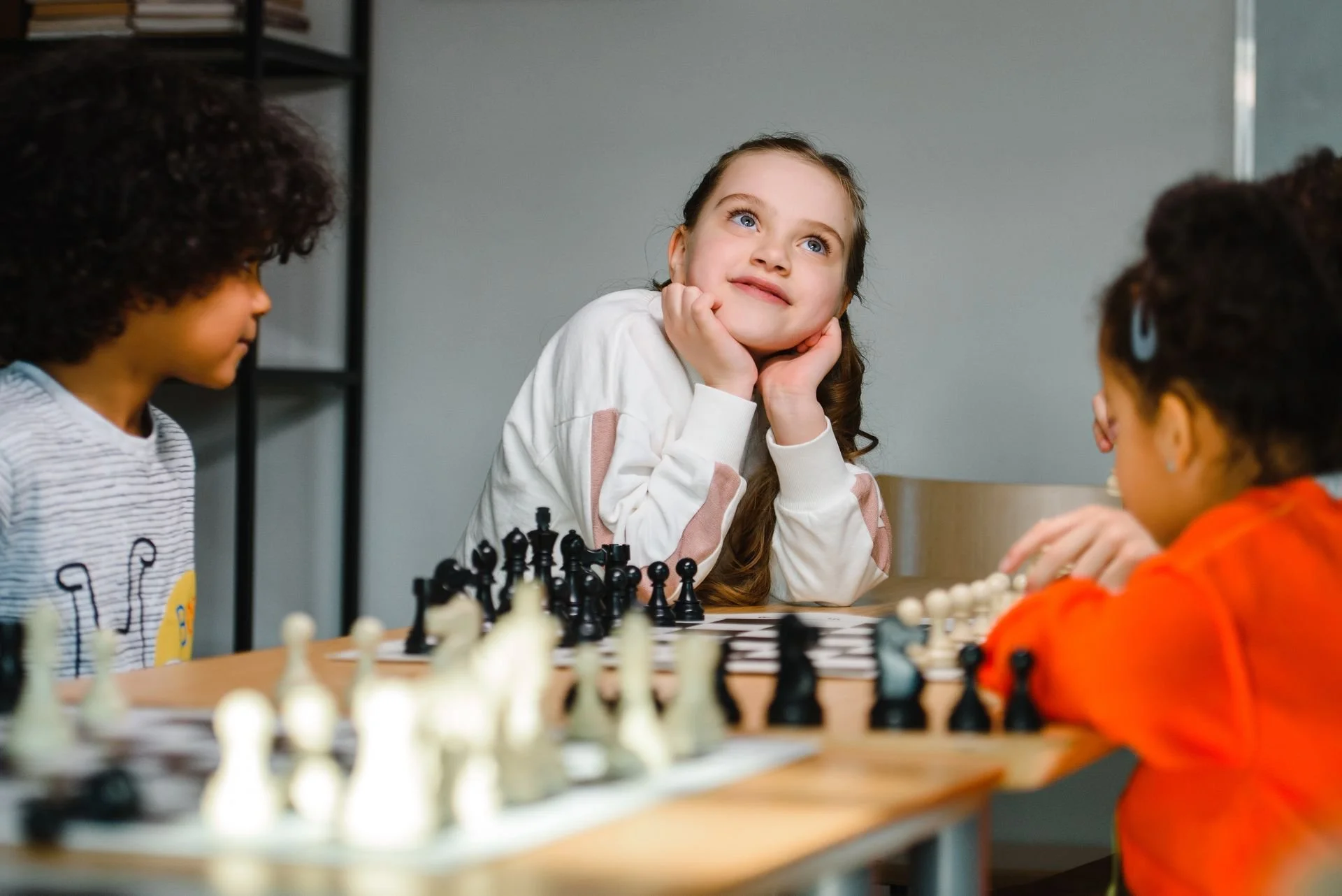
Every chess tournament your child plays in can become a powerful training tool, not just a one-day event. When you build a simple post-tournament review system at home, those long days in school gyms, Hunter events, Central Park scholastics, or big Manhattan tournaments suddenly turn into steady progress from week to week.
At United States Chess Academy, many of our students are playing almost every weekend, from first-time beginners to kids chasing higher ratings in city events. What families do in the 48 hours after those events often matters more than the final score. In this guide, we will walk through a clear rhythm: saving games, getting coach feedback, and turning that into next-week training targets that match what we do in our children’s chess lessons in NYC.
Turn Every NYC Tournament Into a Learning Boost
Right after a tournament, kids usually remember the emotions first: the exciting win, the painful blunder, the time scramble. That is exactly when learning is ready to happen. If we catch those moments quickly and in a friendly way, we can turn them into real improvement.
A simple post-event rhythm might look like this:
Same day or next day: Save all game scores
Within 48 hours: Light review and questions at home
Next lesson: Bring games to class or online lesson
Following week: Practice targets based on those games
At United States Chess Academy, we already review student games in group classes, online lessons, and private sessions. Our coaches pull fresh positions from recent NYC tournaments so kids see their own ideas (and mistakes) on the demo board. When families build a home system that matches this, everything connects. Tournament games, class lessons, and at-home practice all point in the same direction.
For additional tournament structure and official event tracking, families often reference the U.S. Chess Federation, which also provides rating and tournament resources.
Capture Every Game: Simple PGN Habits That Stick
Without a full game score, even the best coach is guessing. A complete PGN is like a movie replay of the game, move by move. It lets us spot patterns: rushed moves, repeated tactics missed, openings that feel confusing, or endgames that always go wrong in the same way.
Here are practical ways to help your child capture every game from NYC tournaments:
Use the scoresheet: Teach kids to write clearly, one move per line, no skipping
Take quick photos: After each round, snap a picture of the scoresheet before turning it in
Online boards: For events using digital boards or online pairings, save the PGN file to email or a shared folder
One folder rule: Keep all game photos and PGNs in a single folder on your phone or computer
At home, families can use any basic chess program or website to type in the moves and save a PGN file. Older kids can often handle this step themselves, which also helps them replay the game and remember key moments. Once you have the PGN, you can:
Email it to your child’s coach
Bring printed game scores to class
Store them in a shared file that you and your child update after each event
Our students often bring their games from places like Hunter, Central Park events, or Manhattan scholastics to their next session. In our group and private settings, coaches use these PGNs to prepare targeted lessons and to choose positions for shared analysis. If your child is training online, you can also plug these into our online lessons so every session is rooted in real tournament experience.
Coach Feedback That Feels Fun, Not Stressful
Chess feedback does not need to feel like a report card. At United States Chess Academy, we treat blunders and missed wins as “training treasure.” Every mistake is a clue about what to work on next, not something to hide or be embarrassed about.
You can create that same feeling at home by using simple, open questions instead of jumping right to “Why did you play that move?” Try asking:
Where in the game did you feel confident?
Where did you feel stuck or lost?
Was there a move from your opponent that surprised you?
Did time pressure change your decisions?
This kind of reflection mirrors structured post-game review methods used in organized chess training environments and federations like the U.S. Chess Federation.
In class, coaches often turn these moments into shared learning by replaying real NYC tournament positions and letting students explore better moves together. This makes feedback feel like discovery instead of correction.
Turn Game Notes Into Clear Training Targets
After a short review and coach input, you will probably have a lot of random notes: “Hung a piece in the opening,” “Forgot to castle,” “Didn’t know the endgame,” “Played too fast when I got excited.” The next step is to turn this mess into something simple and focused.
Aim for one to three training targets for the coming week. Some helpful examples are:
Tactics: “Slow down and double-check in positions with hanging pieces”
Openings: “Learn a basic plan against the opponent’s setup we saw twice”
Endgames: “Practice king and pawn endings where we had an extra pawn”
Time management: “Use at least one minute on every big decision”
Try building a weekly routine that supports these targets without taking over your family schedule:
One review night: Replay one or two games together and talk about key decisions
One tactics night: Do a small set of puzzles related to the mistakes from the tournament
One practice game: Play a slower practice game at home or in an online lesson, then briefly review it
This is the same style of rhythm that keeps the best children’s chess lessons in NYC moving forward between classes. When your child walks into United States Chess Academy with last weekend’s games, clear questions, and one or two training goals, coaches can plug that straight into the lesson plan. For families joining our Central Park camp or other training blocks, recent games often shape what we focus on day to day.
Build a Tournament-to-Training Rhythm Your Child Loves
When you string all of this together, you get a simple loop that can repeat through the spring and into summer:
Tournament day: Your child plays, records games, and has fun competing
Within 48 hours: You save game scores as PGNs and talk through key moments
Next lesson: Coach reviews the games, gives feedback, and sets training themes
Next week: Home practice and class work both follow those targets
Next tournament: Your child tests new skills in real games
Over time, this rhythm feels natural. Your child starts to see tournaments not as pass or fail days, but as part of a larger training cycle. Wins feel like proof that the work is paying off, and losses feel like clues about what to work on next. As new NYC events pop up on the calendar, from small scholastics in local schools to bigger Manhattan events, you already know the routine.
At United States Chess Academy, many of our programs are built around this idea that real games should drive training. Group classes, online lessons, private coaching, and camps are all stronger when they are tied to recent tournament positions and themes we see across our students. When families add a simple home system of PGN saving, positive feedback, and weekly targets, children feel steady progress, not random ups and downs.
If you would like your child’s next event, whether it is a small school tournament or a major city competition, to feed straight into smarter training, start by capturing those games and asking a few curious questions at home. Then bring that “training treasure” into your next United States Chess Academy session or upcoming camp. Over time, each event becomes one more step along a long, rewarding chess path, with tournaments and lessons working together instead of living in separate worlds.
Turn Your Child’s Tournament Games Into a Clear Training Plan
If you want your child’s post-tournament reviews to match the structure and focus they experience in our classes, our coaches are ready to help you put this system into practice. Our in-person groups and private lessons are built around real games, PGNs, and clear weekly targets, so your player always knows what to work on next. Explore our children's chess lessons in NYC to connect this review framework with live coaching at United States Chess Academy, or contact us to ask which program fits your child’s current tournament schedule.