Preparing for Manhattan Chess Tournaments as a Family Team
Turning Manhattan Chess Tournaments Into Family Wins
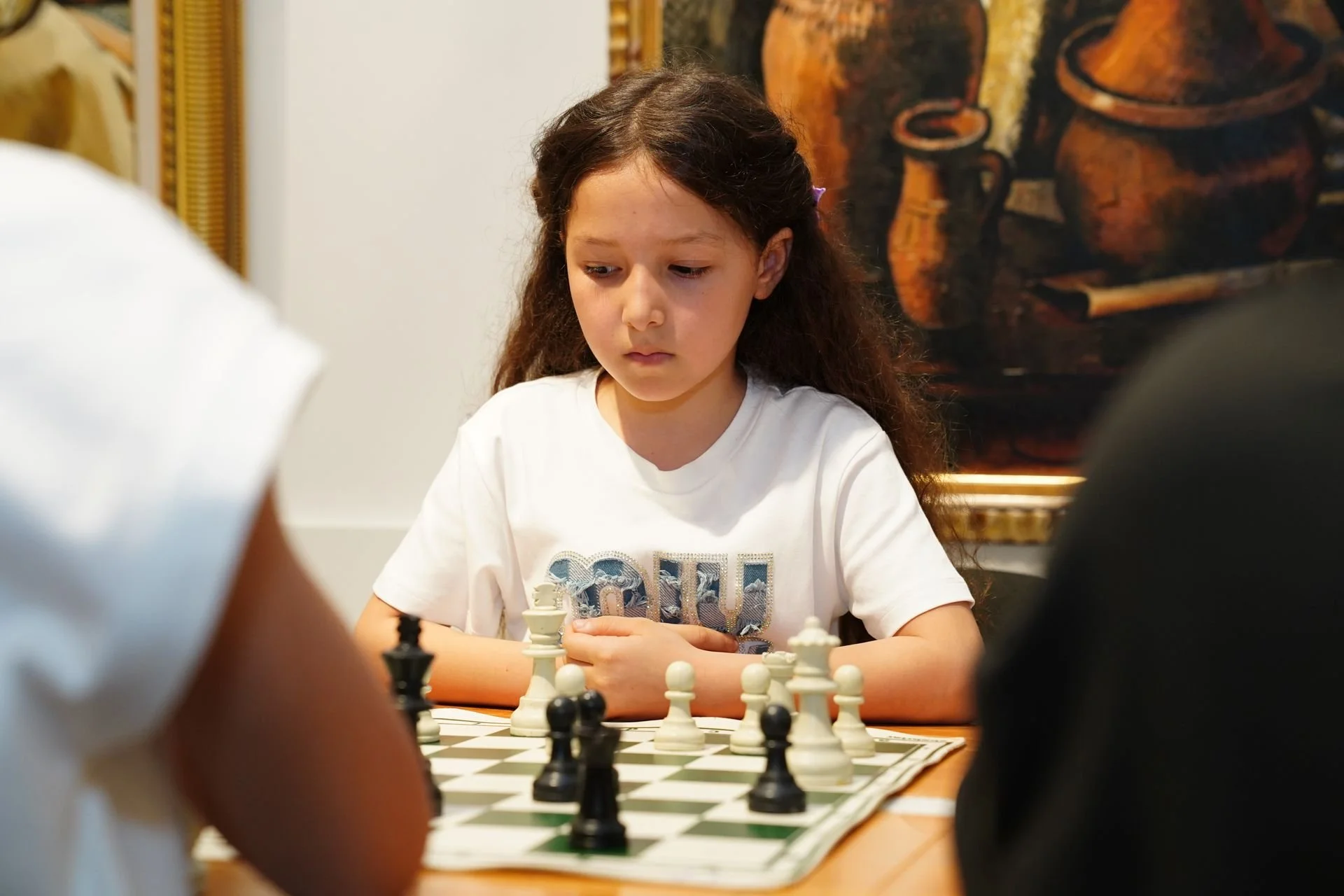
Preparing for Manhattan chess tournaments works best when the whole family treats it like a team project. The player sits at the board, but parents, siblings, and coaches all help set the stage before, during, and after each event. When everyone knows their role, tournaments feel calmer, more fun, and much more meaningful.
Over the next few weeks, many of our students are playing a mix of over-the-board events in Manhattan and online tournaments at home, including our upcoming weekend scholastic tournaments and the next Hunter event series. At the same time, our current class cycles and newsletter highlights are focused on classical time controls, calculation stamina, and practical game-day habits. This article walks through how families can build routines around those exact themes, so tournaments connect directly to what students are working on with us right now: practice plans, logistics, mindset, and long-term growth.
Building a Tournament-Ready Routine at Home
Good tournament days usually start weeks earlier at home. The goal is not grinding for hours every night, but having a simple rhythm that matches what coaches are working on this month in class and in homework assignments.
In our current classes, coaches are emphasizing a solid opening repertoire, endgame basics, and careful calculation. Families can mirror those same topics in short, focused home sessions:
Opening review: go over one main line and one backup line from the week’s class opening theme
Tactics: solve a small batch of puzzles with full focus, using patterns we’ve featured in the latest newsletter
Endgames: practice just one or two key positions a week that match this month’s endgame focus (for example, king and pawn vs. king, or rook and pawn endings)
Time management: play a few slower games with real clocks, using the same classical or semi-classical controls we are practicing in class
A simple weekly routine for the month leading up to an upcoming Manhattan event (such as our next Saturday scholastic or the upcoming Hunter scholastic tournament) might look like this:
One long “practice game” day with the same time control we’re using in class, then a quick review
One tactics day, 15 to 30 minutes of puzzles that match the week’s newsletter theme, no distractions
One endgame review day, re-checking the basic mates and pawn endings we are drilling in lessons
One game-analysis day, going over recent games from class, online practice, or past tournaments
Light review the day before the event, mostly openings and simple tactics already covered in class
Families do not need to be chess experts to help. Parents can support by:
Setting up a quiet, regular practice time and space that lines up with our suggested weekly schedule in the newsletter
Helping the player keep a simple training notebook where they copy key ideas from class
Reading our newsletters to see which skills coaches are stressing right now, like clear notation, focus in late rounds, or staying calm in time trouble, and repeating that language at home
If you are looking for more tournament-style practice positions and formats similar to our Manhattan scholastics, public resources like the events listed at Tournaments | Chess In The Schools can give you a sense of common sections and schedules. That way, home practice looks and feels closer to the real Manhattan events students are entering this season.
Game-Day Logistics for Manhattan Events
Many Manhattan chess tournaments, including the scholastic events we highlight in our monthly calendar, run with multiple long rounds in one day. That means early check-in, long games, and hours inside a cool playing hall, often after a subway or car ride in warm weather.
A typical tournament day for these events might include:
Arrival and check-in: 30 to 45 minutes before round one
Two or three long rounds, each lasting up to several hours
Short lunch or snack breaks between games
A final commute home when everyone is tired
Planning as a family takes a lot of stress off the player. A simple checklist helps:
Snacks that are easy to eat and not messy, plus a refillable water bottle
Layers like a light sweater or hoodie for cold playing rooms
A printed or digital schedule with round times and section info, using the event details we share in our newsletter
A way to track pairings, like a phone photo of the wall chart or quick notes
A quiet activity bag for siblings, things like books, coloring, or headphones
These details match what many coaches are actively talking about in training right now: stay hydrated, keep energy steady, avoid big sugar crashes, and limit distractions during games. Even small things, like knowing where the bathrooms are before the round, can help a nervous player feel grounded.
Transportation also matters. When traveling by subway or car to the Manhattan events we list on our tournament calendar, build in extra time for delays and for a short mental reset before round one. If a player has our online lessons or group classes on the same day, try to space them so there is no feeling of rushing from one thing to the next. Sometimes it helps to move an online session to a different day so the tournament has its own space and matches the calmer schedule we recommend in class.
Supporting Mindset, Confidence, and Nerves
Strong chess skills help, but mindset is what carries a player through long Manhattan chess tournaments. In our current class cycle, students are practicing emotional skills along with openings and tactics, things like bouncing back after tough games, respecting every opponent, and focusing on move quality instead of just results. We’ve been highlighting these ideas in recent newsletters and post-class discussions.
Families can use the same language at home. A few simple habits make a big difference and keep things consistent with what coaches are saying:
Pre-round conversations:
Keep it short and calm
Focus on process goals we use in class: “Use your time,” “Write your moves clearly,” “Look for checks, captures, and threats each move”
Remind them that one game never defines them as a player
Post-round conversations:
Start with “How did it feel?” not “Did you win?”
Ask about one key moment: “Was there a move you were proud of?” or “Was there a position that confused you?”
Save deep analysis for later with a coach, once everyone has rested
To manage nerves for kids and adults:
Try a simple breathing routine we’ve been teaching in class: slow inhale through the nose, slow exhale through the mouth, for a minute or two before each round
Take a short walk outside or in the hallway between rounds
Set realistic goals for each event, like “play every game to the end,” “no rushed moves in the first 10 moves,” or “double-check tactics before every capture,” the same kinds of goals we ask students to write down in their training notebooks
When families and coaches are saying the same kinds of things about effort, learning, and respect, players feel supported from both sides and the tournament experience matches what they expect from class.
Using Coaching, Classes, and Camps to Maximize Each Tournament
A Manhattan event is much more valuable when it is tied into a clear training plan. Our current group classes, upcoming summer Central Park sessions, and private online lessons all work best when they connect directly to real games, especially the tournaments we have on our calendar this season.
A simple cycle, aligned with how we are structuring our class blocks right now, looks like this:
Before the tournament: talk with a coach about openings, typical middlegames, and common endgames in the player’s section, using the same themes we are covering that month
During the event: keep every scoresheet safe and readable, as we have been practicing in class
After the tournament: bring those games back to class or lessons for deep review, matching our current focus on calculation and time management
Saving scoresheets may sound small, but it is one of the biggest gifts families can give coaches. With real games, we can see exactly where a player is strong, where time is slipping away, and which positions keep causing trouble. Then we can build a training block that matches those patterns and the seasonal themes we’ve already outlined in our newsletter.
Families can also keep an eye on upcoming events we are actively highlighting: Manhattan scholastic tournaments at local clubs, school-based events, Hunter tournaments, and larger city opens. Each month, our newsletter includes a short list of recommended events and suggested sections that fit common rating ranges in our classes. When a family reads that list together, it is easier to pick tournaments and sections that fit the player’s current level and goals.
If you are already planning a summer training block, our outdoor sessions like Central Park camp, along with the tournaments we spotlight for that period, are designed as a bridge between home practice and serious over-the-board play. Families can coordinate camp weeks with nearby tournaments so that ideas from camp flow straight into real games.
When it is time to commit to a training cycle around a specific tournament weekend we have recommended, families can reserve spots in the relevant classes or lessons through our registration portal and then build a home calendar around those dates and events.
Turning Today’s Tournament Into Tomorrow’s Growth Plan
The day after a Manhattan tournament, everyone is usually tired. That is actually the perfect time for a short, friendly family debrief that lines up with how we review games in class.
Try this structure:
Start with celebration: “What are you proud of from yesterday?” just as we begin reviews by asking what went well
Pick one strength: “You stayed focused in long games” or “Your openings felt smoother,” tying it back to class topics
Pick one growth area: “We need better time management in endgames” or “We should practice rook endings,” matching the skills we’re emphasizing this cycle
Choose a small training focus for the next few weeks that matches what coaches are already stressing in class and what we’ve flagged in the latest newsletter
The key is to see each event not as a test, but as one step in a longer path. Manhattan chess tournaments connect directly to seasonal training themes, upcoming camps, online training blocks, and the steady work happening in weekly classes. When families keep that big picture in mind, a single bad day or great day does not feel like everything; it is just useful information.
Over time, this “family team” approach builds something deeper than ratings or trophies. Players learn how to prepare for real challenges, handle long days with patience, and reflect honestly on their own progress. Parents and siblings learn how to support without pressure, offer structure without taking over, and share the experience in a positive way.
When everyone knows their role, the next Manhattan event is not just “their tournament,” it is a shared project. With a clear routine at home, calm logistics on game day, steady emotional support, and coaching that connects directly to the tournaments and themes we are focusing on right now, each event becomes a natural, meaningful part of a whole family’s chess life.
Join Competitive Manhattan Chess Tournaments And Sharpen Your Game
Ready to test your skills against serious players in a structured, welcoming environment? At United States Chess Academy, we host regular Manhattan chess tournaments designed for ambitious players of all ages and rating levels. Reserve your spot today so you can gain real tournament experience, track your progress, and build confidence over the board. If you have questions about pairings, formats, or schedules, simply contact us and we will help you get started.