Exploring Quick Progress with One-on-One Chess Instruction
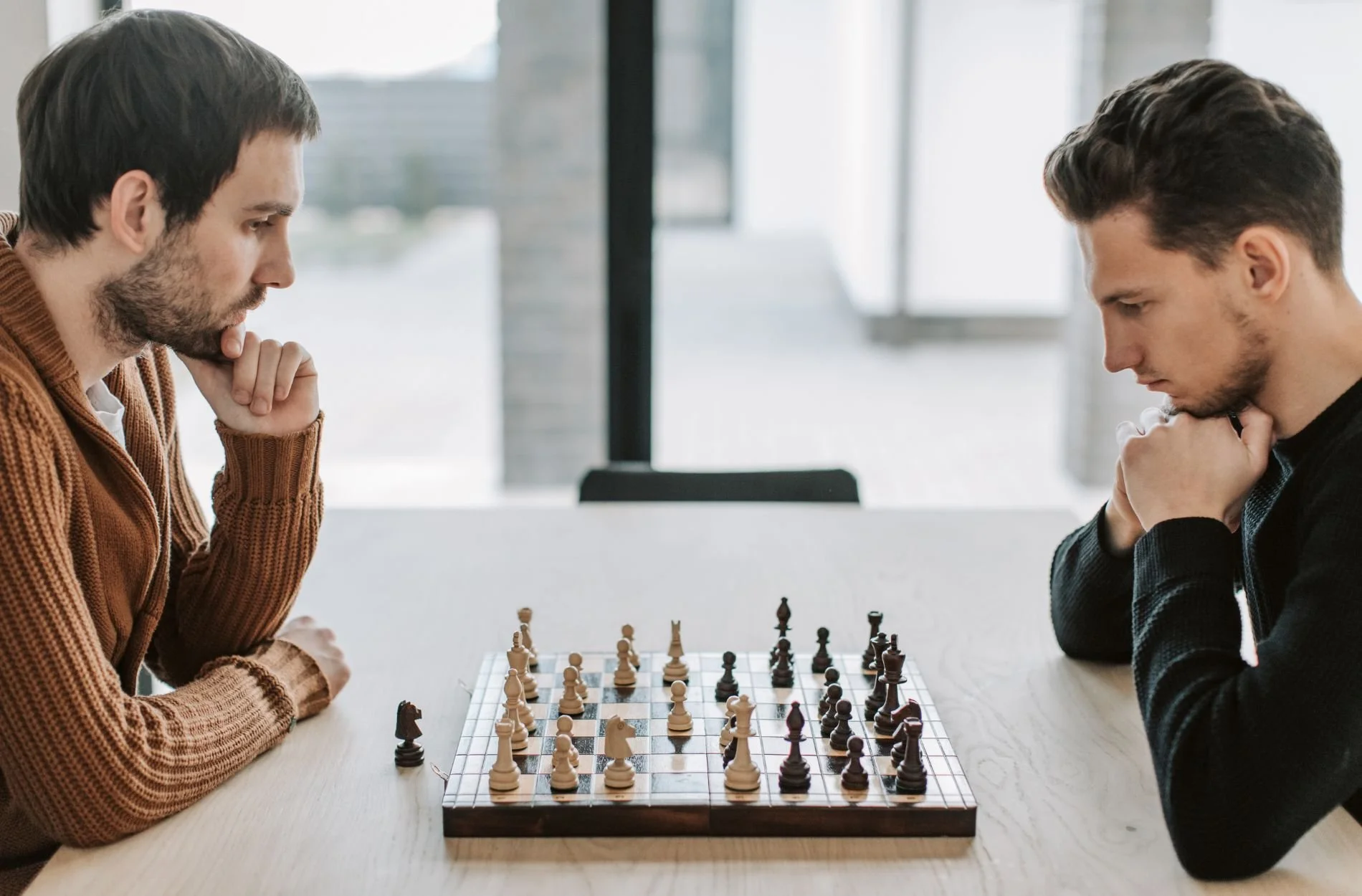
Learning chess can move quickly when the right kind of help is in place. For many players in Manhattan during the winter months, one on one chess lessons offer just the right mix of guidance and comfort. When it’s cold outside, it helps to have something steady to focus on indoors, especially when that something lets you build real skill, week by week.
Trying to play better on your own can feel like guessing in the dark. With personal help, it feels like someone finally turns the light on. Whether you’re just starting to learn the moves or trying to sharpen your strategy, a coach can help keep things clear and focused. In Manhattan, February’s quiet rhythm makes it easier to settle into a pace that works for you.
Learning Feels Easier with a Coach Who Gets You
In one on one lessons, coaches adjust to where you’re at, not just once, but throughout the session. Some days feel fast, and some feel a little slower. A good coach can see that and shape the lesson to match, so it never feels too hard or too easy.
• Little habits like moving too quickly or taking too long to decide can sneak into your game. A personal coach is more likely to notice them and help you practice getting better without pressure.
• Every age learns differently. Kids might need games that feel playful, while teens might like puzzles that challenge. Adults often want more time to ask questions or talk through moves. In a one on one setting, there’s room for all of that.
• No one gets stuck in a system that doesn’t fit. The learning style, pace, and goals all shift based on what helps each person feel more confident and able to grow.
You don’t have to fit into a preset plan. The lesson fits you, and that flexibility brings a sense of comfort that encourages regular progress.
In these individualized settings, conversation can flow more naturally. You may take the time to ask about a particular opening or understand why a move worked in a prior game. The environment allows you and your coach to explore new strategies at your own pace, deepening your appreciation for the game while focusing on what matters most to you.
Making Progress Without the Pressure
Improvement doesn’t always have to come from trying to win every single game. When it’s just you and your coach, the lesson is about learning, not competing.
• Every mistake becomes a chance to ask, “What happened?” instead of “Why did I lose?”
• There’s space to pause, ask follow-up questions, or even rewind and try again without feeling judged.
• Instead of rushing to master too much too fast, personal sessions help make each idea stick before moving ahead.
Feeling supported helps you overcome nerves or self-doubt. In a one on one environment, it’s easier to focus on learning than worrying about mistakes, and this relaxed setting means questions are always welcome. You can practice new concepts again and again, so your understanding becomes second nature instead of just a quick memory.
Especially on slow, snowy days in Manhattan, having a calm place to learn can make all the difference. The quiet helps you think more clearly, and the support keeps things fun. There’s the added benefit that, without outside distractions, you become more immersed in your lesson, creating a strong foundation for future improvement. A coach guiding you step by step ensures no important detail is overlooked.
As you work through a tough puzzle or review a challenging game, immediate feedback from your coach can lead to small but meaningful breakthroughs. This personalized approach can turn moments of frustration into steps toward steady improvement, making each lesson feel purposeful.
Staying on Track Through Winter Schedules
February can bring a lot of ups and downs to any week. Cold weather keeps people inside, school schedules shift, and everyone seems a little more tired. That makes having a regular lesson time a small but steady anchor in your week.
• One on one chess lessons are easier to fit around busy days. Whether your best time is early evening or weekend mornings, lessons can sit right where they fit best.
• A set weekly time helps you build a rhythm, and your coach helps you keep that rhythm going, even when the rest of your schedule changes.
• When lessons are consistent, your thinking stays fresh. You’re not starting over each week, you’re building step by step.
Routines bring calm. And in winter, that kind of pattern can help balance all the other unpredictability. By creating a regular spot for chess in your week, you carve out dedicated time for your personal development. Even when winter weather disrupts other plans, your chess session becomes a reliable moment to regroup and reset.
As these routines take hold, the benefits reach beyond the chessboard. Setting time aside for a lesson creates room for reflection, deepening understanding not just of the game but of how you approach learning. Consistency means your skills grow and you continue to move forward, even on the busiest or grayest of days. The sense of progress gained through continual practice boosts your morale when everything outside might feel slow or stagnant.
Keeping the Game Interesting
Chess stays fun when it feels like something new is possible each time you sit down to play. Coaches who know what sparks your interest can keep that energy going.
• Some players love puzzles, while others like full games with surprises. A coach who pays attention to that can shape lessons that match.
• One lesson might focus on a new opening. Another might include a quirky challenge. Changing things up doesn’t mean losing focus, it means holding attention in a way that makes progress feel exciting.
• Even repeated games can lead to fresh insights when a coach adds a twist or changes just one move. It turns “the same old” into something worth thinking through again.
Over time, your coach will recognize your interests and present fresh challenges. You might dive deep into strategy one week and then explore a memorable endgame the next. Sometimes, the lesson could shift focus if your coach sees an opportunity to spark greater engagement or make a key skill click for you.
When lessons stay interesting, learning happens without getting bored or stuck. That balance between structure and variety is part of what keeps the journey with chess enjoyable. New material appears just as old lessons become comfortable, ensuring your enthusiasm never lags.
By mixing classic positions and creative exercises, the game remains relevant and stimulating for you. Perhaps you’ll revisit a concept and notice details you missed before, or find yourself inspired to try a new approach on your own. In every session, curiosity is encouraged, which keeps your practice fresh and your skills expanding.
Real Growth Starts with the Right Support
Moving forward with chess takes more than just a good strategy. It takes feeling like you’re not stuck doing it all alone. Support makes a difference.
• One on one help gives space to slow things down or speed things up, depending on how ready you feel.
• Confidence builds when questions are answered, not rushed past. Skill builds when the same idea is shown in different ways until it really makes sense.
• Progress isn't measured just by wins or losses, it’s in how clearly you think, how calmly you respond, and how much more curious you feel about the next move.
A great coach not only helps you find effective strategies but also encourages growth outside standard play. You gain a partner in the learning process, someone to celebrate breakthroughs and overcome temporary setbacks. Regular encouragement reminds you that growth may be gradual, but it is always within reach if you continue to engage with the learning process.
Winter in Manhattan doesn’t have to feel like a pause in your learning. With the right setup, it can be the season where everything clicks into place. Long, cold evenings are transformed into valuable opportunities to reflect on what you’ve learned, clarify new concepts, and apply creative thinking. Week after week, you might notice that chess becomes a grounding part of your life, offering purpose and enjoyment that persists throughout the season.
At United States Chess Academy, we believe that quick, steady improvement often begins with quiet sessions and thoughtful guidance. Our programs are made to support that kind of learning all season long.
This winter, sharpen your game and boost your confidence with our Manhattan-based one on one chess lessons designed for flexible, personal growth in a calm setting. No matter your schedule, after school, before dinner, or on quiet weekend mornings, we tailor each lesson so every move feels like progress. At United States Chess Academy, we believe the best learning happens with support that fits just right. Reach out today and let’s set up a time that works for you.