Spotting the Best Chess Academy in Manhattan
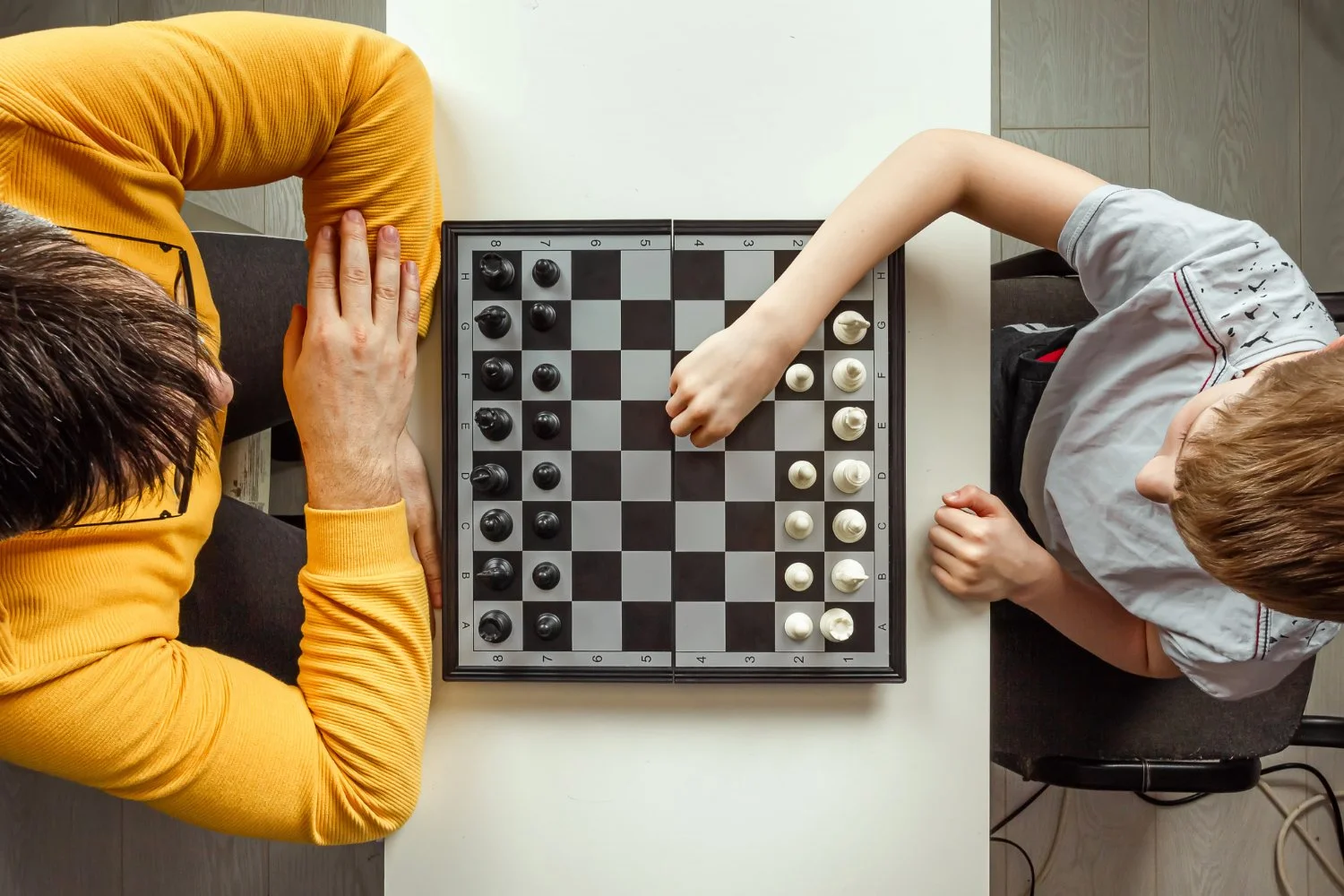
As fall rolls into Manhattan, NY, the cooler days and shorter sunlight hours make it a good season for picking up indoor hobbies. For kids and adults alike, chess has a way of offering something more than just entertainment. It helps with patience, focus, and planning ahead, skills that are just as useful in daily life as they are on the board.
Finding the best chess academy is more than a quick online search. It’s about more than just finding one close to home. What really makes it work is how the space feels, how the teachers support growth, and whether the program encourages steady progress. We’re sharing what we’ve learned over the years about spotting the right place to learn and grow with chess here in Manhattan.
What Makes a Great Learning Space for Chess
Walking into a good chess academy should feel calm and welcoming. It doesn’t need to be perfect, just steady and focused. That’s what helps new learners stay relaxed and returning students stay motivated.
• Look for classrooms that are quiet and organized. Chess takes concentration, so it helps when the space supports that kind of thinking without being stuffy.
• Teachers should break things down in a way that's easy to understand at any level. The best teachers invite questions and make students feel like they belong, no matter how new they are to the game.
• A flexible schedule matters too. Families in Manhattan are busy. We look for programs that understand how to balance chess learning with school or work routines.
United States Chess Academy offers both group programs and private lessons in Manhattan, led by experienced instructors who tailor their guidance to each student’s learning pace. Our curriculum incorporates foundational skills, advanced techniques, and plenty of opportunities for players to apply new knowledge in real games.
When a space checks those boxes, it’s easier to keep going week after week. Learning doesn’t feel forced, and progress comes naturally.
Programs That Grow With the Player
Not everyone starts their chess journey at the same place. A smart academy builds programs to match where each learner is, not just their age.
• Beginners need repetition and time to learn how the pieces move, how to spot simple risks, and what it feels like to think ahead.
• Intermediate players start to notice patterns. They need time to practice planning and to reflect on the choices they make in their games.
• Advanced students need space to work on deeper strategy, prepare for tournaments, and stay challenged in thoughtful ways.
Our lessons focus on meeting students at any level, helping them move from early basics to game analysis and tournament prep. Group classes foster collaboration, while one-on-one sessions help coaches give tailored feedback and extra support for complex topics.
For players just starting out, building confidence with the basics is key. It’s not just about knowing the moves but understanding why certain ones work better than others. Coaches encourage questions, offer examples, and guide new players away from common pitfalls. For those who have mastered the basics, being exposed to themed games or more advanced strategies can keep things fresh and engaging, making sure motivation doesn’t stall.
More advanced students often want to push themselves with tougher challenges or start preparing for competition settings. In these cases, a thoughtful program might introduce analysis sessions, timed games, or opportunities to review famous matches as a group. This keeps the learning process interesting and helps students feel steady as new challenges come up.
All of this shouldn’t happen too fast. Growth takes time, and the best chess programs let learners move forward at a speed that feels solid rather than rushed.
Why Manhattan Families Look for Local, Personalized Lessons
It’s no secret that Manhattan, NY, traffic can make getting across town feel like its own chess puzzle. That’s one reason families often look for options close to home. Being part of something local builds routine and helps keep the focus on the learning process, not the trip to get there.
• Shorter commutes mean families are more likely to stick with weekly classes.
• Local programs help kids settle into good habits. When they know what to expect, they’re more likely to engage and grow over time.
• Familiar neighborhoods build comfort. When a student walks into a place they recognize, they’re already one step closer to feeling safe, supported, and ready to concentrate.
Having an experienced instructor nearby means families can ask questions easily and trust the rhythm of the program. That kind of comfort is hard to beat.
There’s also the benefit of building community. Kids often see familiar faces in class or at local events, and parents get to know the instructors personally. When students are encouraged by the people around them, the learning feels more personal and less intimidating. For busy families, being able to drop in after school or on weekends without a complicated commute can make all the difference in sticking with a new skill over time.
What Helps an Academy Stand Out
In a city as big and busy as Manhattan, some programs stand out right away. These are the places designed with real learning in mind, where both kids and adults feel encouraged from day one.
• Programs that welcome both young learners and adults come from places that take time to understand how different brains work. Kids need games and friendly guidance. Adults often look for structure and depth.
• Group classes are social and motivating, but there’s real value in mixing in one-on-one time too. That’s when habits and goals can be worked on more personally.
• Fewer distractions make it easier to think fully. Great learning environments support focus. When students are given that kind of classroom, they can spend more energy on planning their next move instead of blocking out noise.
Another thing to look for is thoughtful feedback. Students grow when they know what’s working and what needs attention. A strong academy will have teachers who pay attention to how each student learns best, support their strengths, and help with the trickier skills. Learning is not just about correcting mistakes, but celebrating new ideas, steady effort, and moments of clever thinking.
It’s the little things that make a difference. A clean board, a quiet seat, a steady voice guiding through the strategy, these are often what students remember most.
The Smart Choice for Fall Learning in Manhattan
As we settle deeper into the fall season, indoor rhythms start to take shape. Screens become more tempting, routines get quicker, and planning ahead matters more than ever. That’s where an activity like chess fits in.
• It builds attention without pressure. With shorter days outside, families often want something indoors that still leads to growth.
• The best chess academy won’t push players too hard or too fast. It makes room for learning, thinking, and remembering step by step.
What matters most is how it feels to be in the room, faced with the board, and ready to try again. That mindset, showing up, thinking through a challenge, and staying present, is one that lasts well beyond the fall season. Whether someone is brand new to chess or returning after a break, the right program lets learning feel steady, calm, and motivating.
At United States Chess Academy, we’re passionate about providing a welcoming space where players of all ages can focus, learn, and steadily improve. Families in Manhattan seeking a program that adapts to their routine and supports developing chess skills often start by searching for the best chess academy near home. Our lessons are designed to guide students from foundational concepts to advanced strategy at a comfortable pace. Looking for an engaging way to inspire critical thinking in a calm, structured environment? Reach out to us with your questions or to explore how to get started.