Building Confident Competitors Before the First Move
A child walking into a weekend chess tournament in New York City should feel a quiet sense of “I know how to do this.” The room might be loud, the boards might be new, and the clock might tick a little faster, but the habits are already familiar. That calm feeling does not come from last-minute cramming the night before. It is built slowly, one class at a time.
At United States Chess Academy, we treat every lesson as a small step toward tournament readiness. Weeks before a big event, we are already practicing the routines that students will use on game day. This post is a behind-the-scenes look at how we build tournament habits in class, so when kids finally sit down at a board, they feel focused, prepared, and excited to compete.
Tournament Mindset Starts in the Classroom
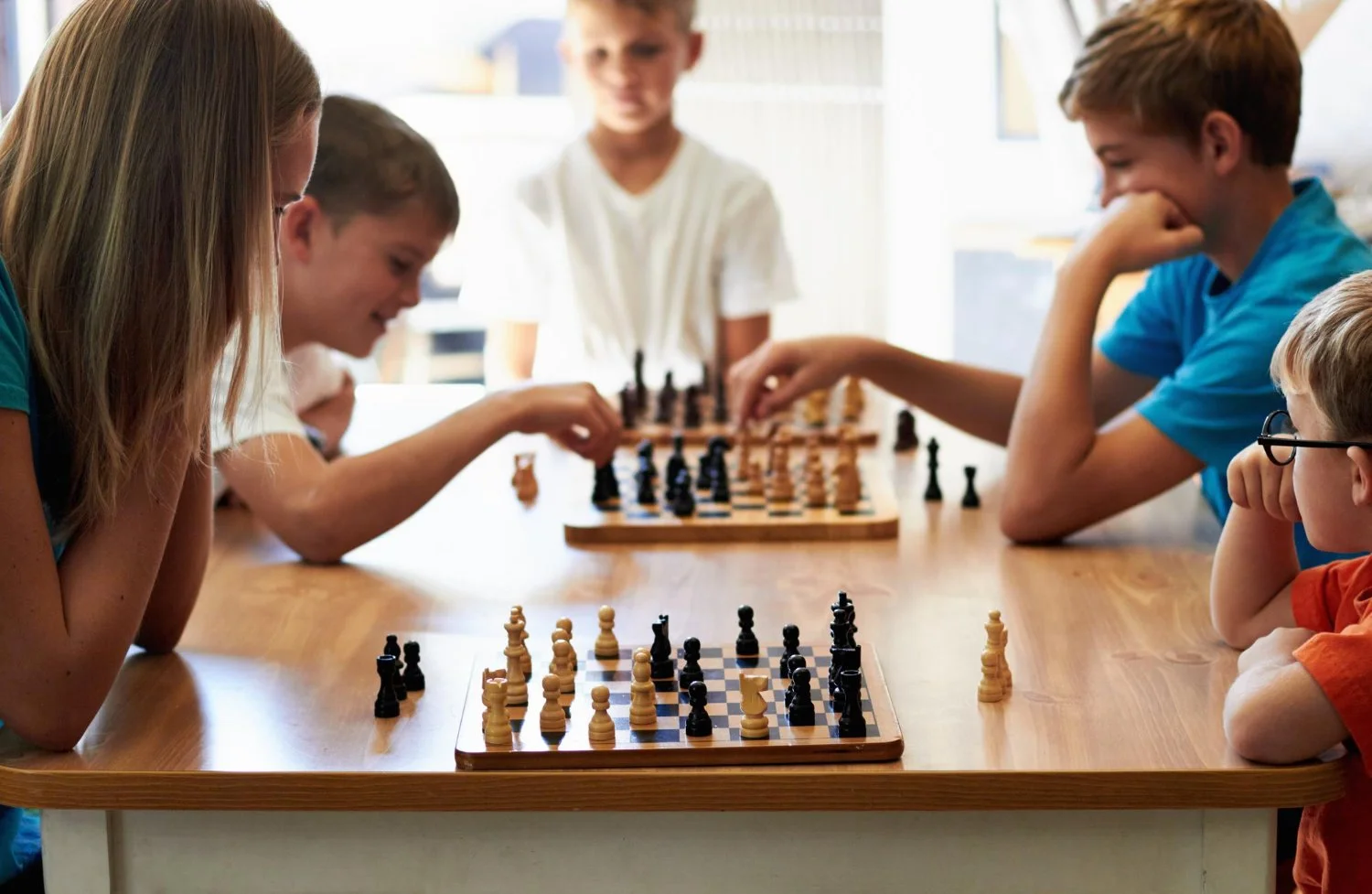
A strong tournament mindset does not appear on round one; it starts at the practice table. We make tournament conditions feel normal long before students face their first pairing.
In class, we:
Use chess clocks on a regular basis so time controls feel normal
Seat players across from a single opponent, not in big groups
Keep quiet during serious games, with no coaching in the middle
These same routines apply to both our in-person students in NYC and our online students. No matter where a child is learning, they hear the same reminders, follow the same rules, and build the same habits.
We also teach simple ways to handle nerves. Before serious practice games, coaches guide students through short breathing and focus routines they can repeat before round one at a real event. We talk about “healthy butterflies” and how that energy can help them pay attention, rather than trying to get rid of nerves completely.
To make the connection clear, our coaches regularly mention upcoming tournaments. When we ask a class to stay quiet during a game, we explain, “This is how it will feel at the tournament.” When we talk about time management, we point to upcoming local events that families see in our newsletters. Over time, students learn that each small routine has a purpose.
Practical Game-Day Routines Kids Practice Weekly
Tournament days are smoother when kids do not need adults for every step. So we practice game-day routines until students can handle them on their own.
Before each class game, children learn to:
Check that the board is set up correctly
Confirm the clock settings match the agreed time control
Make sure their score sheet and pencil are ready
Shake hands and say “Good luck,” and later, “Good game”
Older students often help younger ones run through these checks. This builds leadership for the older kids and independence for the younger ones.
During the game, we focus on a few key habits that really matter in tournaments:
Touch a piece only when ready to move it
Press the clock with the same hand every time
Look at the whole board before every move
Ask, “What is my opponent threatening?” before deciding
We also remind students to avoid common distractions like watching other boards, talking to friends, or fidgeting too much. When these focus habits are practiced weekly, a noisy tournament hall feels easier to handle.
After the game, we do not rush to the next opponent. Students are used to reviewing critical moments with a coach. Many keep small notebooks, where they write down tricky positions or questions. These habits mirror what they will do after real tournament rounds and turn every class game into a mini rehearsal for game day.
Training Kids to Compete with Respect and Resilience
Strong chess players are not just clever; they are respectful and steady. We treat sportsmanship as a non-negotiable part of tournament chess training in NYC and online.
In our classes, we:
Expect no gloating after wins
Do not allow excuses or blaming after losses
Always thank the opponent at the end of the game
If a student gets upset, slams pieces, or gives up too early, coaches step in right away. That way, calm behavior becomes a habit before they ever sit at a formal event.
We also work hard to change how kids think about losing. Every loss in class is a “lesson game.” Instead of hiding from it, we go straight into constructive analysis. Coaches praise the question “What can I learn from this?” and we highlight that attitude when we share class updates with families.
To build resilience, we sometimes give students worse positions on purpose. Their job is to keep fighting, find tricky defenses, and stay alert. That way, when they get a tough pairing or a bad position in a real tournament, it feels like familiar practice, not a disaster.
We schedule longer training games to mimic full tournament rounds and talk openly about facing stronger opponents. We teach kids to view those pairings as chances to grow, not something to fear. This mindset is a big part of the way we prepare students for upcoming tournaments and structured programs.
Structured Tournament Training That Feels Fun
Serious chess does not need to feel heavy. We plan our classes so that tournament preparation is challenging, but still enjoyable for kids.
A typical training day might mix:
One or two serious training games
Quick tactical puzzles or timed drills
A friendly mini-tournament or team event
Team-based activities are especially helpful. Students get used to cheering for one another, sharing ideas, and feeling part of a group. That same sense of community often shows up again when they meet at local tournaments.
We also like themed days, such as:
Endgame week, focusing on simple, strong finishes
Tactics challenge day, where kids race to spot patterns
Clock confidence day, focused on time management
These themes keep lessons fresh while building real tournament skills. Our titled coaches and grandmasters take part in these regular classes, not just special events. They share short stories from their own competitive games to show why habits like careful notation, steady time usage, and board focus really matter.
As tournament dates get closer, our class themes line up with the calendar. We spend more time on openings students are actually using, basic endgames they are likely to reach, and practical choices in time trouble. Parents often see the same points echoed in newsletters, so it is clear that preparation is planned, not random.
Helping Your Child Turn Class Habits Into Tournament Success
When families understand the habits behind our lessons, tournaments feel less mysterious. The quiet game in class, the reminder to check the board, the breathing exercise before a practice round, all of it is meant to carry straight into the tournament hall. Children learn that they are not just “playing chess,” they are practicing how to handle real competition with confidence and respect.
For families in New York City and beyond, every program at United States Chess Academy, whether group classes, online lessons, or focused tournament training, is built around these same ideas. You do not need to be a chess expert to support your child. The routines we build together in class will guide them from their weekly lessons to their next tournament game, one thoughtful move at a time.
Train Like a Tournament Player and Elevate Your Chess Results
If you are ready to turn casual play into consistent tournament success, we invite you to explore our specialized tournament chess training in NYC. At United States Chess Academy, we focus on practical skills that directly improve your performance over the board. Tell us about your goals and current rating so we can recommend the right program and coach for you. Have questions about scheduling or next steps? Just contact us and we will help you get started.