What Tournament Chess Training in NYC Looks Like Inside Our Classes
Step Inside Real Tournament Chess Training in NYC
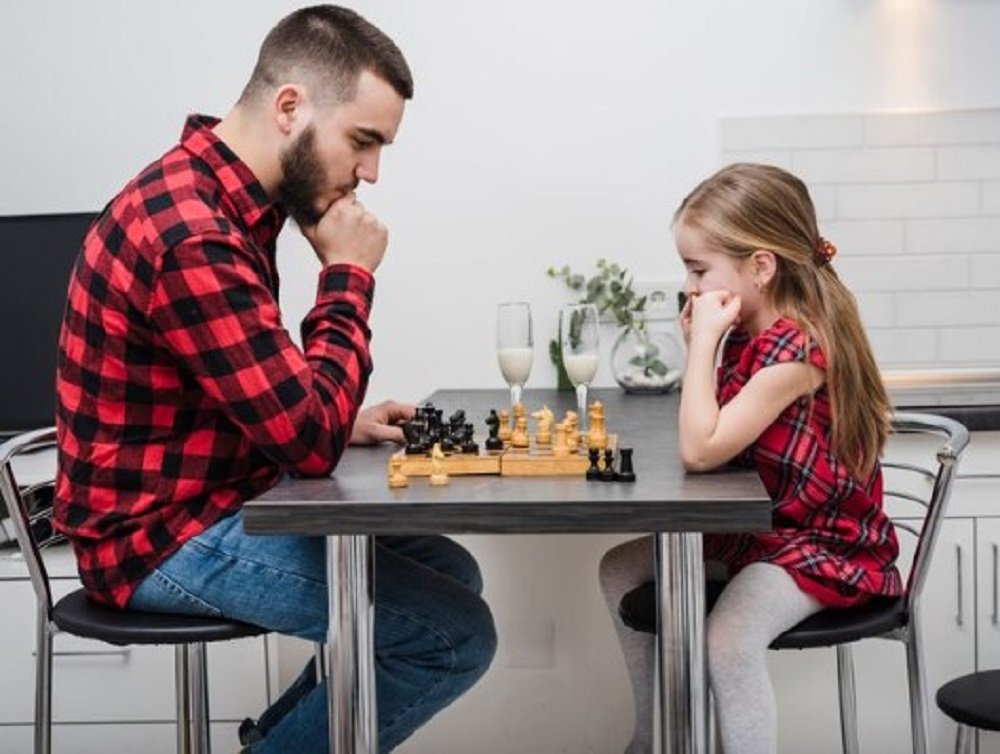
Tournament chess looks very different from casual play, and that difference starts the moment you walk into one of our classes. You see boards lined up in rows, pieces set correctly, clocks beside almost every board, and students sitting with straight backs, focused faces, and score sheets ready. There is a quiet buzz, but once rounds begin, the room settles into real tournament hall silence.
We design this on purpose. Our goal is to give students the feeling of a real event long before they sit down at a rated board in Manhattan or anywhere in the tri-state area. Parents see kids laughing during breaks and high-fiving after good games, but they also see structure: pairings, rules, and routines that match what they will meet at weekend tournaments and scholastic championships.
In this post, we walk you through what actually happens inside our classes when we talk about tournament chess training in NYC. If you follow our newsletters or event announcements, you will recognize many of these themes, because they are the same ideas we are working on with students each week.
How We Turn Weekly Lessons Into Tournament Readiness
Our classes follow a clear structure so that every minute points toward better performance at the board. While the exact plan may change with the tournament calendar, the core flow stays the same.
Most sessions look like this:
Short warm-up puzzles on the board or screen
A focused lesson on a key theme
Guided practice games with clocks and notation
Quick review or group discussion at the end
Warm-ups get brains going. Students might solve 3 to 5 tactical puzzles, sometimes with a timer. This wakes up calculation skills and sets a serious but fun tone. We keep things moving, so nobody sits still for long without thinking.
The main lesson centers on what students will likely face in upcoming events. For example:
Before longer scholastic tournaments, we focus on planning and patience
Before faster local events, we practice simple openings and quick decision-making
Leading into big weekends, we review common traps and typical endgames
Coaches connect the dots for students. A tactic from last week’s newsletter, a position from a recent class game, or a puzzle from an online homework set will show up again. We want students to say, “I have seen this idea before,” when it appears on their board in a real tournament.
Inside Our Training Boards: Openings, Tactics, and Endgames
Tournament success does not come from random tricks. It comes from knowing what you are doing in the opening, spotting simple tactics, and handling basic endgames with confidence. We build each of these inside our lessons.
For openings, we keep things simple and reliable. Instead of asking students to memorize long lines, we:
Give them clear plans for the first 8 to 10 moves
Teach basic ideas like controlling the center, quick development, and king safety
Adjust recommendations by level so that beginners and advanced players each get what they need
With this approach, students feel calm in the early game. They are not guessing on move three. They know where their pieces belong and can start thinking about tactics and strategy instead of just surviving.
Tactics are present in every class. We pick themes like forks, pins, skewers, discovered attacks, and checkmating patterns, and we revisit them over and over. Often, students solve a set of theme-based puzzles with a short time limit. This helps them practice:
Spotting patterns quickly
Trusting their calculation
Making good decisions when the clock is ticking
Endgames are where many scholastic games are decided, so we spend time here too. We work on:
Basic checkmates with king and queen or king and rook
Converting a simple material advantage into a win
Common pawn endings that often appear in real kids’ games
We pull positions from recent student tournament games in NYC and the nearby area. When a student recognizes their own position or a familiar setup, the lesson hits deeper, and they understand that class study connects directly to their results.
Simulated Tournament Rounds That Feel Like the Real Thing
One of the biggest shocks for new players is the intense atmosphere of a playing hall. To remove that anxiety, we run in-class practice rounds that copy real US Chess Federation (USCF) conditions as closely as possible.
Here is what that looks like:
We post pairings so students learn to find their board numbers
Clocks are set with realistic time controls
Players keep notation throughout the game
Once the round starts, the room shifts into quiet, serious play
Coaches walk between boards, watching silently while the games are in progress. We want students to rely on their own thinking, just like in a USCF tournament. After games finish, we do what students often say is their favorite part: the review.
Using demo boards or online tools, coaches highlight key moments:
A missed tactic or winning idea
A turning point where time trouble began
A situation involving draw offers or when to resign properly
We also model tournament habits like touching pieces correctly, saying “adjust” when needed, and handling checkmate or stalemate with good sportsmanship. When students then go to real events, the routine feels familiar, and nerves drop.
Personalized Game Analysis That Builds Confidence Fast
Tournament training is not just about the next game; it is about learning from the last one. We encourage students to bring their score sheets from local events, such as those organized by Chess in the Schools, to identify recurring patterns in their play.
Students bring score sheets from recent events or PGN files from online games. We have them walk us through the game in their own words first. This step matters a lot. It shows us:
What they were thinking at each moment
Where they felt unsure or rushed
How they understand concepts from class under pressure
Then our titled coaches step in. Using clear, age-appropriate language, they show where the plan started to go off track and offer stronger ideas, like:
A better move order in the opening
A missed tactic that would have changed the game
A simple endgame plan that would have saved a draw or earned a win
This process turns losses and tough games into clear lessons. Families see that a “bad game” is not the end; it is raw material for growth. Students leave feeling “Next time I know what to do,” instead of feeling stuck.
From Class to Competition: How Families Can Plug in Now
Training only reaches its full value when it connects directly to real tournaments. We help families move from weekly lessons to actual competition in a clear, steady way.
In practice, that means we:
Offer structured tournament programs that match different experience levels
Share current NYC-area events that fit a child’s age and rating
Help parents understand sections, time controls, and basic tournament rules
We encourage families to take small, simple goals into each event, such as:
Use most of their time on the clock instead of rushing
Record every move, even when the game gets tense
Pause and check for tactics before each capture
These goals match what we work on in class, so every event becomes both a test and a lesson. Over time, students feel that their chess training is not random. It is a clear path, moving from puzzle to practice game to real tournament board, one step at a time.
At United States Chess Academy, our aim is for tournament chess training in NYC to feel serious but also joyful. When families walk into our classes, they see structure, focus, and real preparation, but they also see students who are excited to play, learn, and compete again next weekend.
Train Like a Serious Competitor and Elevate Your Chess Results
If you are ready to turn casual play into consistent tournament performance, we are here to guide every step. Explore our specialized tournament chess training in NYC to build opening preparation, calculation skills, and confident endgame technique. At United States Chess Academy, we focus on practical skills that show up on the clock and on the scoresheet. Have questions about the right coaching plan for you or your child? Simply contact us and we will help you get started.