Why Chess Training Online Works Best Between Manhattan Tournaments
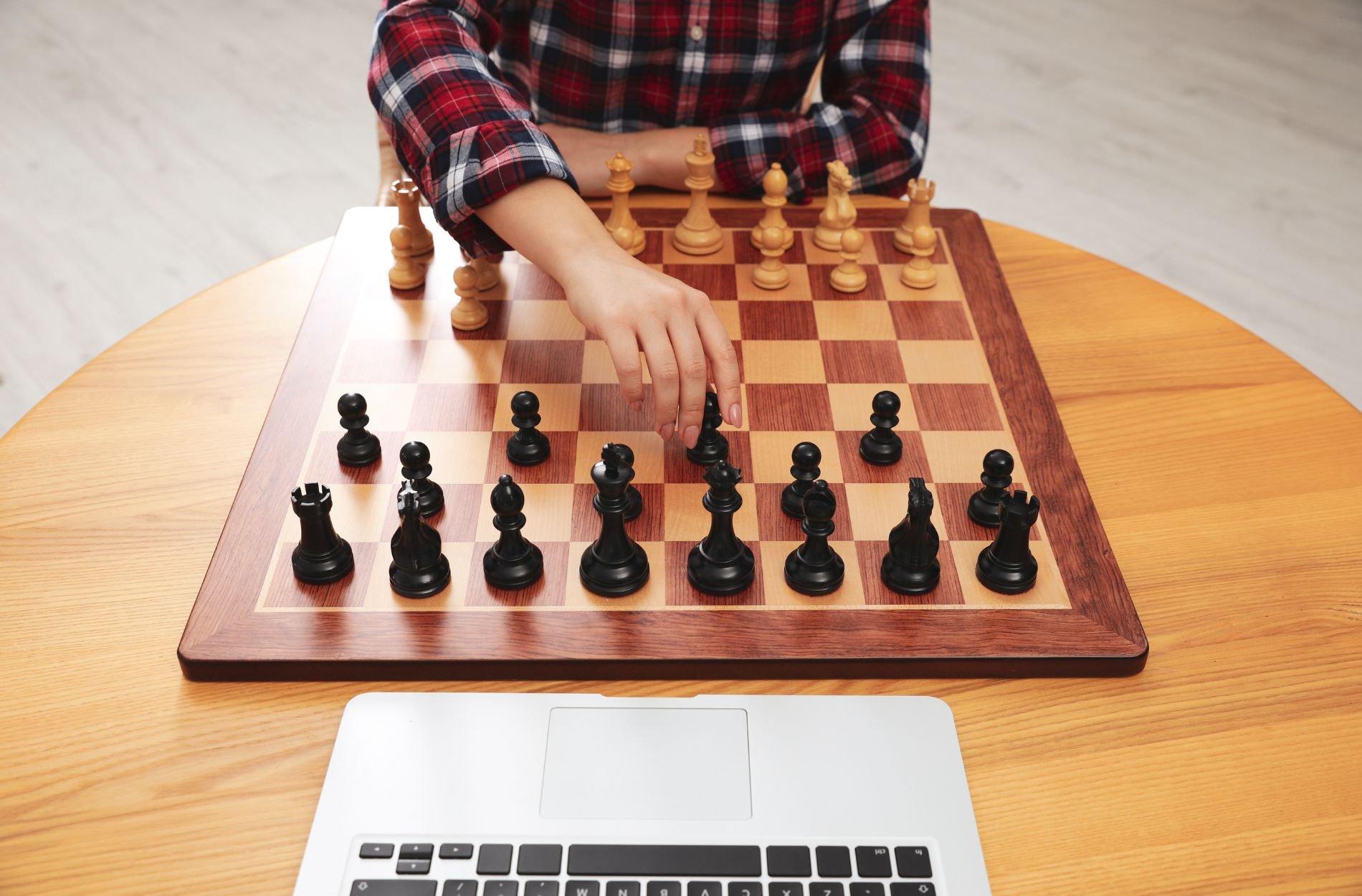
Keep Tournament-Ready Between Big Manhattan Events
Staying sharp between tournaments is where real chess growth happens. The big Manhattan events, including weekends at places like Marshall, Hunter, and other local Swiss tournaments, give a clear test. The weeks in between decide what happens to your rating next.
Late spring often brings a rush of events. Then June turns into a reset window before summer tournaments and chess camps. Kids finish school, families plan trips, and it is easy for chess to slide to the side. That is exactly when online chess training can do the most good.
Those gaps between over-the-board events are perfect for focused work. There is no active clock, no noisy playing hall, no pressure. Just time to fix opening problems, review key endgames, and build new habits before the next pairing sheet goes up. Online training makes that possible without fighting Manhattan traffic or squeezing in another commute.
At United States Chess Academy, our New York-based coaches plan training cycles around the local tournament rhythm. After a big weekend in Manhattan, we move students into game review, then online tactical work, then game simulations that match the time controls they will face at the next event. That steady rhythm between tournaments keeps kids tournament-ready instead of starting from zero every few weeks.
Turn Post-Tournament Nerves Into New Strengths
Families know the emotional roller coaster of a tournament day. There is excitement in the morning, nervous energy during the middle rounds, and then the ride home where the questions start. Why did that blunder happen? Why did the clock run so low? Why did a winning game turn into a loss in the final moves?
If those questions just sit there, nerves grow and confidence drops. Online chess training lets us catch that energy right away while the games are still fresh in your child’s mind. Instead of waiting a week for an in-person class, we can jump into a live online session soon after a Manhattan event.
In those sessions, our coaches:
Go through tournament games move by move
Spot repeat patterns in blunders or time trouble
Connect mistakes to clear, simple ideas kids can remember
Turn each loss into one or two concrete training goals
Students often send in their tournament PGN files so we can load them directly on the screen and walk through them together. That makes the conversation very real and specific. It is not “you need to calculate better”; it is “in this position, here is how to slow down and count safely.”
We then create personalized online homework and share follow-up notes so parents know what we are working on. That way, everyone sees how each Manhattan event connects to the next training step. Many families also enjoy watching strong coaches explain chess in plain language, just like in articles such as this New York Times feature on teaching chess online. That same idea, clear teaching and easy access, is exactly what makes online review so powerful after tournaments.
Why Online Chess Training Fits Busy New York Schedules
The schedule crunch for New York families is real. There are school finals, after-school activities, long subway or bus rides, and weekend tournaments that take up whole days. When June rolls around, planning for summer programs piles on top of everything else.
Adding more in-person trips for extra chess can feel impossible. Online sessions solve that problem while keeping the training level high. You get the same serious coaches, the same structure, and the same focus, without the travel stress.
Online chess training works well for busy families because it offers:
Shorter, more flexible time blocks that fit between other activities
No commute, so kids are fresher and more focused when class starts
A quiet home setup for lessons, analysis, and practice games
Easy ways to share tournament games and homework online
Our own schedule reflects that. We offer live evening classes families can join from home, semi-private online sessions right before weekend tournaments, and midweek game-analysis blocks that help kids reset after a long Sunday event. For families already planning summer camps like our Central Park chess camp, online lessons slot in neatly so kids stay ready before and after they join us in person.
Sharpen Tournament Skills with Targeted Online Work
When we look at Manhattan tournament games, the same themes show up again and again. Most results swing on a few core skills:
Getting out of the opening without falling into early traps
Spotting tactics when the clock is running low
Playing simple but strong endgames in the final round
Handling nerves in sharp, unbalanced positions
Online sessions are a great space to work on all of these in a focused way. We often run themed weeks where every exercise lines up with what kids are seeing in over-the-board games. For example, a “practical endgame” week might focus on king and pawn endings that show up again and again in weekend Swiss events.
Online chess training also makes it easier to drill these skills at scale. We can set up rapid-fire tactics sessions where students solve many patterns in a short time. We can run opening “tune-up” days where we review lines students actually faced at Marshall, Hunter, or other New York tournaments. Before big weekends, we like to host online rapid tournaments with clock settings that match common local time controls, so kids practice both moves and time management.
Parents often see this in our newsletters and class themes. One week might spotlight time control practice, with students playing online rapid games and then reviewing how they used their clock. Another week might center on “saving worse positions,” where students learn practical tricks to hold draws even when they are slightly worse. All of it ties back to the same goal: better decisions at the board when it counts.
If a family wants to focus even more deeply on specific skills, online private or semi-private sessions, like those offered in our online lessons program, give space for detailed, one-on-one work that matches each child’s needs.
Bridge Spring Tournaments to Summer Camps and Beyond
Early summer is a bridge between the intense spring tournament period and the busy summer chess season. Many kids are finishing a run of school events, weekend Swiss tournaments, and local rated games. Then they head into day camps, including chess programs across the city.
If there is a big gap between those phases, kids often feel rusty when they arrive at camp or at their next in-person event. Online training keeps the momentum going. Instead of “cooling off,” students use June and early summer to:
Review their most recent tournament games
Fix one or two key opening problems
Practice typical endgames they are likely to see again
Build confidence before joining summer groups that may be stronger
We often see families pair online prep groups with upcoming USCF-rated events. Some join short online bootcamps before summer sessions, while others join strategy labs that align with specific local tournaments. That way, the work a child does during June ties directly to the positions and pressure they will face later in the season.
For families juggling several activities, flexible online blocks also make it much easier to keep chess present without overloading the schedule. Even one or two focused sessions in this bridge period can keep ideas fresh and help kids hit the ground running when their next camp or tournament begins.
Make Your Child’s Next Manhattan Event Their Best Yet
The pattern many families are seeing is clear. Kids go to regular Manhattan tournaments, receive feedback from coaches, and see similar themes in our class topics and newsletters. The students who connect those pieces with steady online chess training between events tend to feel calmer at the board and more ready for tough rounds.
Online work does not replace in-person tournaments. It makes them count more. Each game becomes raw material for the next lesson, each lesson turns into targeted practice, and each practice session prepares your child for the next pairing they will see. With all the daily demands of New York life, having that kind of connected plan, both online and in person, is one of the best ways to help your child feel that every new Manhattan tournament is not just another stressful day, but the next step in a clear, thoughtful path.
For families already taking part in our programs, it is easy to link everything together on the same schedule. Many choose a mix of in-person instruction, online review, and season-based training cycles, all aligned with the tournament calendar and summer offerings they are joining through our current program options. When all those parts match, each event, from a small local Swiss to a major Manhattan tournament, becomes a chance to apply what your child has been carefully building, one online session at a time.
Strengthen Your Game With Personalized Online Coaching
If you are ready to turn what you learned in this article into real improvement on the board, our coaches are here to help. Explore our tailored online chess training to get structured guidance that fits your goals and schedule. At United States Chess Academy, we focus on practical skills, clear feedback, and steady progress for every student. Have specific questions or need help choosing the right program? Just contact us and we will guide you step by step.