When Blitz Chess Tournaments in Manhattan Boost Real Skills
How Fast Manhattan Chess Games Build Lasting Skills
Fast chess in Manhattan is not just a fad. When the days get longer and parks fill with boards and clocks, many kids and adults turn to quick games to fit chess into busy school and work schedules. Blitz chess, with five minutes or less per player, fits that energy perfectly and feels exciting instead of overwhelming.
Blitz is simple on the surface: you play a full game with almost no thinking time. That speed can look chaotic, but with the right guidance it becomes a sharp training tool. A blitz chess tournament in Manhattan can build focus, confidence, and smarter thinking far beyond the board, as long as there is a clear plan behind the fun.
We see our role as connecting two worlds: the casual thrill of snapping pieces in a park and the structured growth that comes from real coaching. In this article, we will walk through why blitz in New York feels different, which skills it can sharpen, how to avoid bad habits, and how to turn quick games into real long-term improvement for both kids and adults.
Why Blitz Chess Feels Different in the Heart of Manhattan
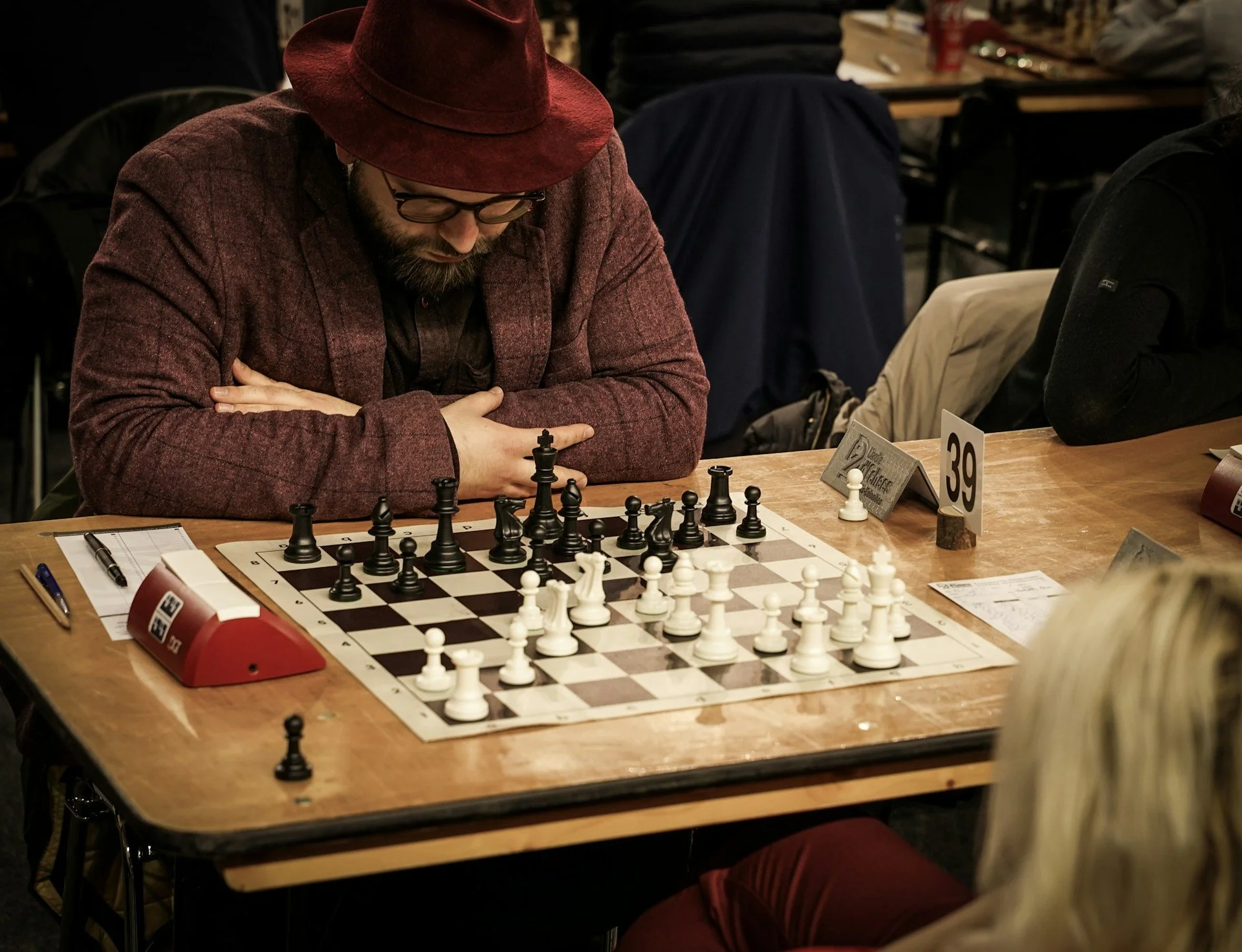
Playing a blitz chess tournament in Manhattan has its own flavor. There are strong players everywhere, from after-school clubs to park tables. You can sit across from someone who just finished work in Midtown or a student still in their school uniform, all sharing the same clock.
At in-person events, you feel details that online play cannot give you:
The click of clocks and the soft thud of captured pieces
The mix of ages and styles across the room
The quick handshakes, eye contact, and real sportsmanship
The natural noise of a city that does not get quiet
This live setting changes how players handle pressure. Online, it can feel safe to blunder and start a new game right away. Over the board in Manhattan, every move feels more real. Players learn to focus through background sounds, nearby games, and the buzz of the city. That kind of focus builds emotional resilience that helps in school tests, work meetings, and any high-energy space.
Real Chess Skills Blitz Tournaments Quietly Sharpen
Blitz is not just speed for its own sake. Used wisely, it sharpens important chess skills that carry directly into slower games.
Decision-making under time pressure
When you must decide quickly, your brain leans on patterns you already know. High-frequency blitz trains you to spot tactical motifs like forks, pins, and discovered attacks instantly. To stay competitive, many players familiarize themselves with the Official US Chess Blitz Rules, which cover technical nuances like illegal moves and clock handling that are unique to fast-paced play.
Time management and clock awareness
Blitz teaches you when to trust your gut and move quickly versus when to spend precious seconds on a critical position. Mastering this balance ensures you stop losing winning positions simply because you ran out of time.
Emotional control and competitive grit
Blitz involves wild swings. You might lose a won game on time or save a lost one. These moments build the habit of shaking off blunders and staying calm after a setback, a form of "emotional resilience" that neuroscience studies suggest can positively impact a child's academic and social development.
Turning Blitz Fun Into Structured Improvement
Random blitz all week is fun, but it does not always lead to growth. To turn a blitz chess tournament in Manhattan into real progress, it helps to add a little structure.
Setting clear goals before each tournament
Before the first round, choose one or two simple goals:
Try a new opening and stick with it all event
Focus on not hanging pieces, even if you lose on time
Trade down to an endgame when you are ahead and practice converting
Work on staying calm, no matter the score
Younger kids need goals that are easy to remember, like “protect my pieces” or “castle early.” Adults can handle more specific aims, like testing a new defense or practicing active piece play.
Smart game review after the final round
The biggest gains often come after the tournament. A simple review routine could be:
Mark or remember two or three key games, not all of them
Rebuild the most important positions on a board at home or in a lesson
Ask clear questions, such as “Where was my first mistake?” or “Was this sacrifice sound?”
With a titled coach guiding the review, players spot patterns like “I always rush in time trouble” or “I ignore my opponent’s threats.” Then blitz results start turning into lasting knowledge.
Balancing blitz with longer training
Blitz works best as a piece of a bigger plan. It should sit next to, not replace:
Tactics puzzles with no clock
Endgame practice at a slower pace
Training games at longer time controls
Study of model games in chosen openings
One helpful idea is to use fast events to keep motivation high during busy weeks, while planning regular slower training sessions around them. That way, quick games feed into deeper learning instead of stealing time from it.
Choosing the Right Blitz Event for Kids and Adults
Not every blitz event is the same. The right environment can make the experience both fun and safe.
What makes a tournament environment healthy
Look for events that offer:
Clear rules and pairings that make sense
Punctual rounds so kids and parents are not waiting forever
A friendly tone, even when competition is serious
Adult supervision and respect for everyone in the room
Separate or age-appropriate sections for younger children
This kind of structure helps newer players feel welcome and gives more experienced players space to test themselves without chaos.
Evaluating competition level and coaching support
A good mix of opponents helps growth:
Some lower-rated players to build confidence and practice clean technique
Peers at a similar level for fair, tense games
Stronger players who expose blind spots and inspire new goals
Events linked to a teaching program add another layer of value, because coaches can watch, notice patterns, and connect tournament play with later lessons.
Considering location, schedule, and format
Manhattan offers many choices, so it helps to match the event to the player:
Choose a time of day that fits school, homework, and bedtime
Pick a location that is easy to reach, especially with kids and chess gear
Select time controls and number of rounds that fit the player’s age and stamina
For example, younger children may do better with fewer rounds and a bit more time per game, while older teens and adults might enjoy tighter time controls and longer events.
Make Your Next Manhattan Blitz Tournament Count
A blitz chess tournament in Manhattan does not have to be “just for fun” or “only for serious players.” With a bit of planning, it can be both. Set a simple focus before the event, play with full effort, then look back at a few key games with care. Small habits like these turn quick clocks into long-term strength.
At United States Chess Academy, we care about that balance between excitement and real learning. With titled coaches teaching both online and in person in New York City, we work to make sure every blitz event is part of a bigger story of growth for children and adults who love the game.
Sharpen Your Skills In A Competitive Blitz Arena
Ready to put your tactics to the test against serious opponents and a ticking clock at United States Chess Academy? Reserve your spot in our next blitz chess tournament in Manhattan and experience fast-paced games that push your calculation, focus, and composure. Whether you are chasing rating gains or game experience, we create a structured, welcoming environment for players who want to improve. If you have questions about formats, schedules, or registration, simply contact us and we will help you get started.