From Classroom to Checkmate in Real NYC Kids’ Tournaments
From Classroom Moves to Real Tournament Wins
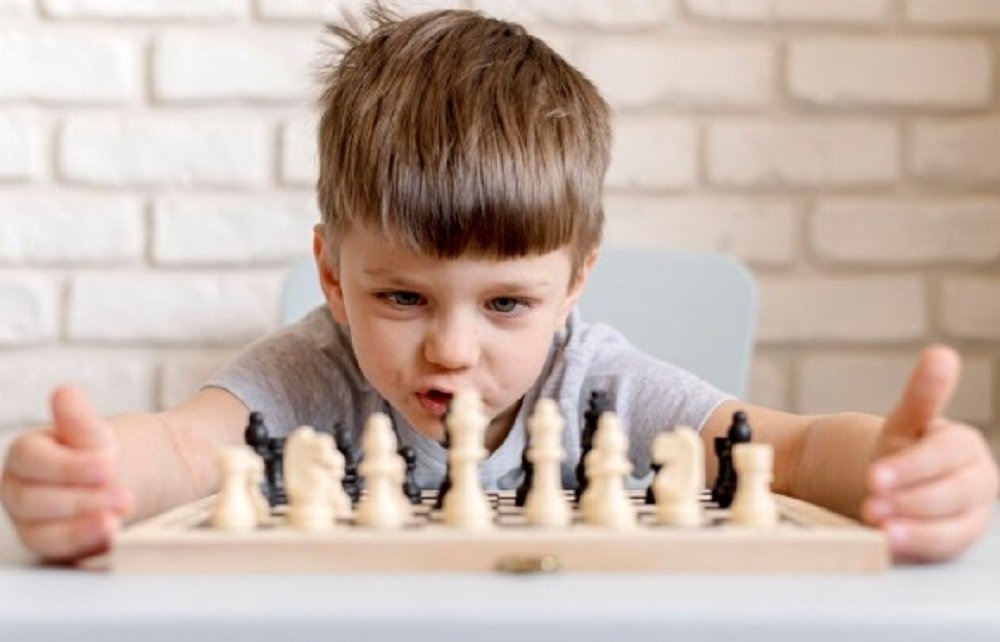
A child can learn every basic pattern of checkmate and still feel completely unprepared for their first real event. The shift from a comfortable class to kids' chess tournaments in Manhattan is big, and it matters for how they learn and grow. When the clock is ticking, the room is quiet, and every move is recorded, classroom skills are suddenly tested in a new way.
In this article, we want to show how that transition actually works. We will look at what changes once kids play in real tournaments, how we train with that reality in mind at United States Chess Academy, and how families can support their young players without adding pressure. Our goal is simple: help you see how structured lessons and Manhattan tournament play belong together so your child can enjoy chess and keep improving.
How Class Skills Turn Into Real-World Chess Wins
In our classes and private lessons, kids often start by playing friendly games with classmates or with their coach. They joke, they experiment, they ask questions in the middle of a position. Later, in their first rated game, the same child is sitting across from a stranger, listening to a quiet room filled with clocks, and suddenly all those class positions feel more serious.
We see class and tournaments as two sides of the same experience. The classroom is where kids safely try ideas, build good habits, and learn basic patterns like forks and pins. Kids' chess tournaments in Manhattan are where those habits get tested, refined, and turned into genuine confidence. When both stay connected, improvement feels natural instead of overwhelming.
To make that connection real, we focus on:
Teaching skills that clearly apply in competition, not just in puzzles
Practicing under conditions that feel similar to real events
Giving students clear, simple goals they can use in their next tournament
At United States Chess Academy, our role is to guide families through each step, from the very first informal class game to more serious events at local venues, including well-known tournaments like those hosted at Hunter College and other Manhattan locations. We want chess to stay enjoyable while kids steadily grow more independent and resilient at the board.
What Changes When Kids Enter a Real NYC Tournament
The emotional shift is often the biggest surprise. In an official tournament, a blunder isn't just a reset; it's a recorded result. Kids' chess tournaments in Manhattan tend to feel especially intense because they draw many serious players from across the city.
At well-run events, like the scholastic tournaments hosted by Chess in the Schools, the environment is professional, featuring strict pairing systems and certified arbiters. When a child is prepared for this, the high level of competition speeds up their growth instead of scaring them away.
Training with NYC Tournament Reality in Mind
If we want kids to feel ready, we cannot train in a way that is completely different from tournament play. That is why our lessons, whether in-person in New York City or through our online lessons, deliberately include tournament elements.
We regularly use:
Clocks, so kids practice time management long before their first event
Notation, so scoresheets feel natural instead of stressful
Focused thinking routines, like checking for loose pieces each move
Quiet training games, to build the habit of deep concentration
Our coaches emphasize openings, middlegame plans, and endgames that kids can actually remember and use. That means:
Simple, solid openings instead of long, complicated lines
Basic attacking patterns that show up in many games
Essential endgames like king and pawn or rook and pawn
We also talk openly about habits that matter at kids' chess tournaments in Manhattan. For example, we help students practice taking a short pause after they blunder, instead of instantly moving again. We show them how to stay calm when the clock is low, and how to make a basic plan instead of just reacting. Over time, these habits become automatic and make tournaments feel much more manageable.
From Practice Games to Rated Results
Classroom games are not just for fun; they are also data. A typical training cycle in our programs might look like this:
A student plays a serious training game with a clock and notation
They bring the scoresheet to a titled coach
Together, they review key moments and spot patterns
The coach assigns specific goals for the next event
In many cases, we also work with real tournament games that students bring back from local Manhattan events. These games are incredibly valuable for coaching, because they show how a child actually thinks under pressure. We might notice repeated issues like:
Rushing in the opening and forgetting development
Freezing in complicated tactics instead of trusting basic checks
Playing too fast in winning positions, then blundering
Once we see those patterns, we can build lesson plans around them. That is how casual-looking drills in class turn into very real rating gains and stronger results at kids' chess tournaments in Manhattan and other NYC events. It is a feedback loop:
Play
Analyze
Adjust
Play again
Over time, students not only score better but also understand their own style and strengths. They start walking into tournaments with a clear sense of what they want to improve, not just vague hopes of winning.
How Parents Can Support Their Child in the NYC Chess Scene
For many parents, the chess world can feel confusing at first. There are unrated events, rated events, sections by grade, sections by rating, and different organizers across Manhattan. A little guidance goes a long way.
When choosing a first tournament, we generally suggest parents: Unrated or beginner-friendly sections for new players
Clear round times and a simple schedule
A central Manhattan location that is easy to reach
A format with several rounds so one loss does not end the day
Before the event, parents can help by:
Registering early to avoid stress on tournament day
Making sure their child knows basic rules like touch-move
Packing snacks, water, and a pen or pencil for notation
Arriving early so there is time to find the pairings and board
During rounds, the best support often comes from staying calm and neutral. Encouraging effort, not just results, helps kids feel safe taking on strong opponents. After the event, a simple talk focusing on what they learned, not only on wins and losses, keeps motivation high.
At United States Chess Academy, we see ourselves as partners to families in this process. Our coaches regularly discuss upcoming events with parents, offer practical preparation tips, and review tournament games afterward. For families planning around specific local events, including popular tournaments hosted in Manhattan schools or clubs, this kind of partnership can make the entire experience smoother and more positive.
Turning Tournament Nerves Into Real Confidence
Almost every child feels nervous before their first tournament. Common worries include:
Losing quickly and feeling embarrassed
Taking too long on moves and running out of time
Facing kids they think are much stronger
Structured training turns these fears into chances to grow. When a child has already practiced with clocks, notation, and focused thinking in class, they are less thrown off by the formal setting. When they have a few simple routines, like pausing to ask, "What is my opponent threatening?" before each move, they know what to do when their nerves spike.
Every result, win or loss, becomes part of a bigger story. Losses teach humility, resilience, and problem-solving. Wins reinforce good habits and reward careful work. The same skills that help a child stay focused for a full tournament round often help in school too, like staying calm during tests or working through tough homework.
Our goal at United States Chess Academy is not just more trophies. It is helping kids grow into independent thinkers who can handle challenge, pressure, and change. When lessons are tied directly to the reality of kids' chess tournaments in Manhattan, that growth becomes steady and predictable. The classroom and the competition hall stop feeling like separate worlds and start working together, one thoughtful move at a time.
For families who are ready to support that growth, even simple steps like exploring our current class and lesson options, choosing a first local event, and reviewing each experience afterward can make chess a meaningful, long-term part of a child’s life.
Help Your Child Gain Confidence Through Competitive Play
If your child is ready to take the next step from casual games to structured competition, explore our kids' chess tournaments in Manhattan. At United States Chess Academy, we create a supportive environment where young players can test their skills, learn from experience, and enjoy healthy competition. If you have questions about levels, schedules, or how to get started, please contact us so we can help you find the right tournament for your child.