Best Practices in Chess Game Coaching for Competitions
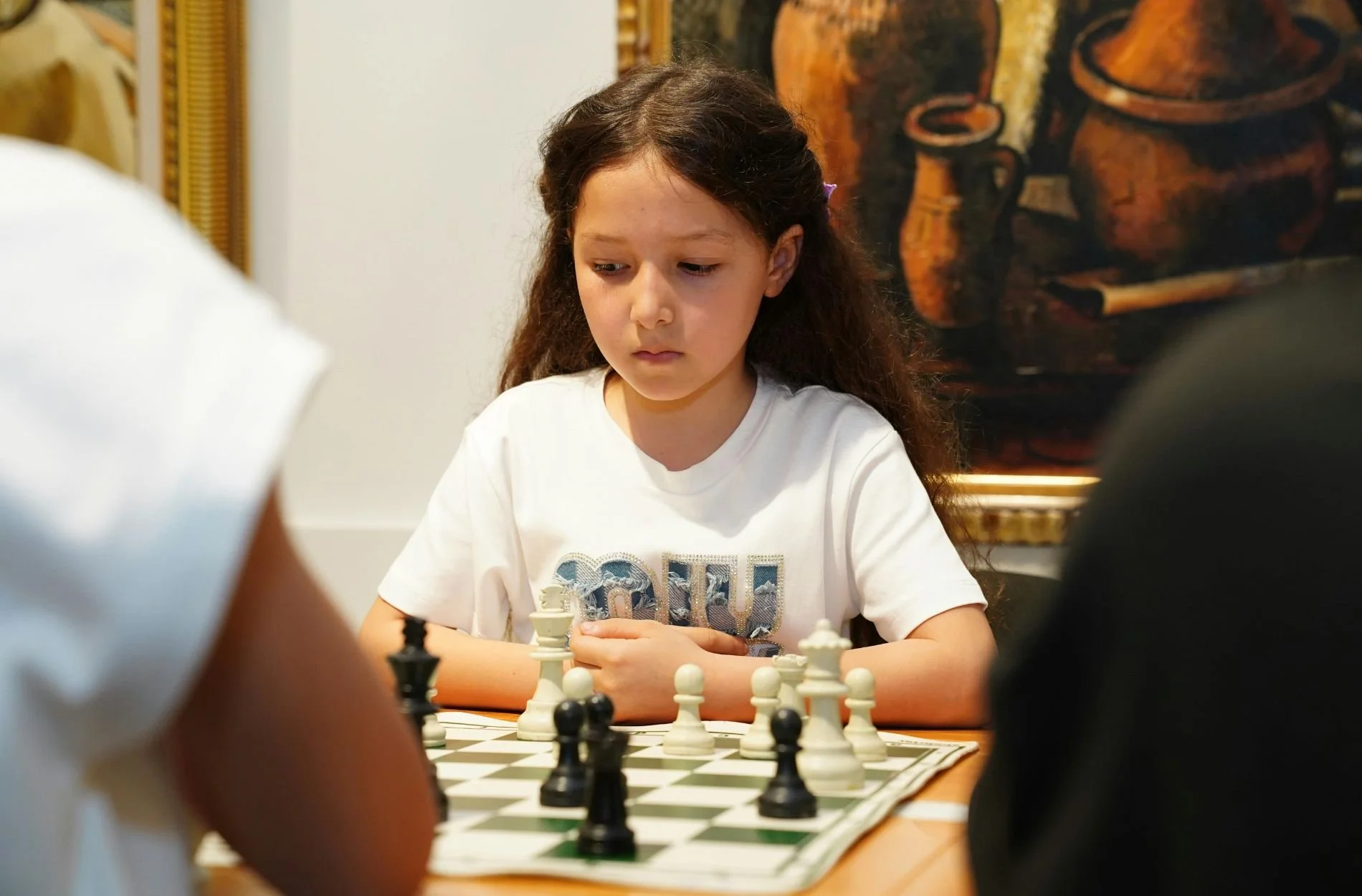
Getting ready for a chess tournament means more than just playing a lot of games. To truly grow as a player, students need guidance that helps them think clearly, keep calm under pressure, and keep improving after each lesson. That is where steady, focused chess game coaching makes a big difference.
In Manhattan, where winter brings more time indoors and tougher local tournaments, it is the perfect time to focus on thoughtful practice. Cold afternoons and busy school weeks give students a reason to stay inside and sharpen their skills. With the right coaching, students turn those quiet hours into something useful. When routines feel steady, learning sticks. This stability is crucial for helping students internalize the lessons they learn and develop good habits over time.
Building a Strong Foundation Before the Match
The best tournament prep starts with basics that feel solid. Students do not need every trick in the book, just a deep understanding of their strongest moves and how to use them well. Good preparation comes from knowing what works, and having real confidence that comes from practice.
• We spend time reviewing strategies they already know, repeating them until they feel natural
• Openings and endgames are practiced regularly, so students stay ready for real game situations
• Coaches guide players through common slip-ups and show how to handle them next time
Solid foundations give young players a sense of control over the board. When they know their own strengths, it is easier to create good positions and avoid mistakes. Through repetition and reinforcement, these core concepts become second nature.
With this kind of prep, players begin to move with more confidence. They stop second-guessing and start thinking forward. Before long, they are solving problems without overthinking each choice. Consistent exposure to these fundamentals supports a deeper understanding, so that students make smart choices instinctively as matches progress.
Learning How to Think, Not Just Play
In real matches, the smartest move is not always the one that looks best right away. It comes from knowing why a move works, not just copying what someone else did once. That is where good coaching helps players grow. Developing real chess thinking requires focus on the reasons behind every move as well as the patterns that emerge in each match.
• We break down games with our students and talk about the decisions behind each move
• Together, we look for patterns in their thinking so they know when and how to change their plan
• Players learn to press pause before reacting, making it easier to avoid quick mistakes
Through careful review, students become aware of their thinking process. Coaches encourage them to pause, ask questions, and reflect before making a decision at the board. Step by step, this helps them avoid rushed moves that could cost them the match.
This kind of thinking is what helps players win matches down the line. They start asking better questions, spotting their own habits, and building stronger strategies from the inside out. As their understanding grows, they take greater control of their own learning and become more independent thinkers, both on and off the board.
Handling Stress During Competitive Games
Tournaments bring nerves, and that is completely normal. The key is helping students deal with the pressure before it shows up on the board. By facing stress in practice, they become better prepared for it when it matters most.
• In coaching sessions, we teach players how to keep focus when games get tense
• Breathing tips, countdown strategies, and breaks between rounds help students stay calm
• Scrimmage matches during lessons create a safe space to practice feeling that pressure
Encouraging relaxation techniques before and during matches is important. When players learn to identify nerves and apply calming strategies, they can stay focused during critical moments. Building this resilience allows them to focus on the game rather than outside distractions.
When kids learn how to manage stress, they feel more in control, even when the stakes are high. They find their focus again faster and bounce back from tough moments more smoothly. Handling pressure becomes just another challenge to meet with practiced skills, rather than something that stands in the way.
Practicing Like It’s the Real Thing
Great coaching sets up the learning to feel close to the real deal. If we want students to perform in tournaments, we coach them in ways that match what they will face. Providing an authentic practice environment helps reduce surprises when it matters most.
• We design lessons with real clocks, typical time limits, and tournament-style setups
• Players go through tricky spots they will likely see in higher-level matches
• During these sessions, we give feedback right as it happens, so students remember what to do next time
Recreating the tournament atmosphere in lessons gives players realistic practice. This makes learning more effective. The patterns become familiar. The pressure starts to feel manageable. So when game day comes around, it is not a big surprise, it just feels like practice. Experience with these conditions helps students transition with confidence from practice to competition.
Staying Consistent Week After Week
Winter in New York is full of short days and packed evenings. That is why it helps to have a clear rhythm for chess practice, especially with tournaments around the corner. A reliable lesson plan creates structure even during busy months, supporting steady growth.
• We stick to weekly lessons through the colder months, even when school breaks or holidays pop up
• Each session includes one small, doable goal, something players can hold onto until next time
• Progress is tracked through regular reviews, making it easier to spot growth (and adjust where needed)
Repetition and ongoing feedback help students avoid losing their momentum. Regular check-ins show progress over time, helping to keep students motivated and on task. With a steady plan in place, students avoid starting and stopping too often. They stay on track, make progress at their own pace, and do not lose the work they have already done. This consistency leads to stronger results and increased confidence over time.
Small Habits That Lead to Big Wins
When students work with a thoughtful coach, they start to build habits that matter. Some happen on the board, while others show up in daily life. Together, these routines influence how students approach challenges both in chess and elsewhere.
• We help students get more comfortable with slow, careful thinking
• Planning ahead becomes second nature, both in games and in schoolwork
• Even after a tough game, students learn how to bounce back, ask better questions, and try again
Over weeks and months, positive habits take root and begin to shape how players approach each match. By teaching them to reflect on their games, coaches encourage self-growth and resilience, both of which matter throughout the season and beyond. These changes happen over time. When we look back, we see how tiny lessons have built a stronger, calmer player.
With chess game coaching that stays consistent through winter in Manhattan, students build lasting skills they will carry into every match they play. Daily discipline, strategic thinking, and adaptability become valuable strengths, no matter what challenges students may face in the future.
Steady progress and focused support can make all the difference this winter. Players in Manhattan can stay tournament-ready by sharpening their decision-making, remaining calm under pressure, and receiving regular feedback through thoughtful chess game coaching. At United States Chess Academy, we understand that every move counts, and building strong habits takes dedication. We work alongside each student to strengthen skills and build confidence. Reach out today to get started.