Role of Chess Teachers in Lifelong Learning
Learning does not stop once we have finished school. It keeps going in small ways, through hobbies, habits, and the people who help us grow. Chess teachers play a quiet but steady role in that lifelong learning. They guide students of all ages, helping them develop skills that last long past a game.
For many of us living in Manhattan, life moves quickly. Workdays are long, schedules are tight, and free time feels shorter in the winter months. But making space for something thoughtful, like chess, can bring a kind of balance that is hard to find elsewhere. With the help of chess teachers, learners build not just knowledge of the game, but the kind of steady thinking that shapes how we live, work, and relate to others.
Building Skills That Last a Lifetime
Chess is not only about kings and pawns. It is also about how we think through little challenges and keep a calm mind under pressure. That is where chess teachers come in. They do not just explain the moves, they help students form strong habits that carry into everyday life.
• Practicing with a teacher helps improve patience. You learn not to rush, but to take a breath and think before moving
• Over time, students gain judgment skills. They begin spotting patterns, weighing options, and making smarter choices
• These lessons often show up outside chess too, like staying calm during a tough test or listening more closely in conversations
A chess teacher’s guidance provides a structure that is rare in our often fast-paced world. When a person sits with a chess teacher each week, they are doing more than just learning a hobby. They are training their mind to slow down, notice details, and plan carefully. Each lesson is an exercise in resilience that pays dividends far beyond the board. These are habits that matter no matter how old we are or where life takes us.
Often, the progress in chess is gradual rather than immediate, which teaches learners the importance of consistent effort and perseverance. This experience with steady growth translates to personal and professional environments, reminding students that mastering any skill is a process, not a race. In this way, chess lessons become more than just a pastime or an academic supplement; they become a foundation for lifelong self-improvement.
Learning That Shapes Every Age
We often think of kids when we picture learning, but many adults feel just as eager to grow. That is one reason chess teachers work with learners from all decades of life. And what they teach can shift depending on who is sitting across the board.
• Younger kids may focus on memory, attention, and getting comfortable with the basics
• Teens might work on strategy and long-term thinking, which helps with school and social challenges
• Adults often use chess as a way to slow their minds, try something new, or find focus again
Even seniors join in, using lessons to keep their minds moving and stay curious as they age. For older adults, engaging in mental activities such as chess is known to support cognitive health and maintain sharpness. No matter the age, chess offers something steady to return to, creating a sense of routine and comfort. And with the right teacher, each learner feels supported at the level that fits them best, with lessons that are designed to challenge and inspire, no matter where they are in life.
For families, learning chess together can also foster communication, respect, and healthy competition. When all generations come together on the same board, it gives them a common ground for sharing experiences and learning from one another. Teachers often facilitate these family lessons, making sure each member can engage at their level and celebrate their progress.
The Difference Personal Attention Makes
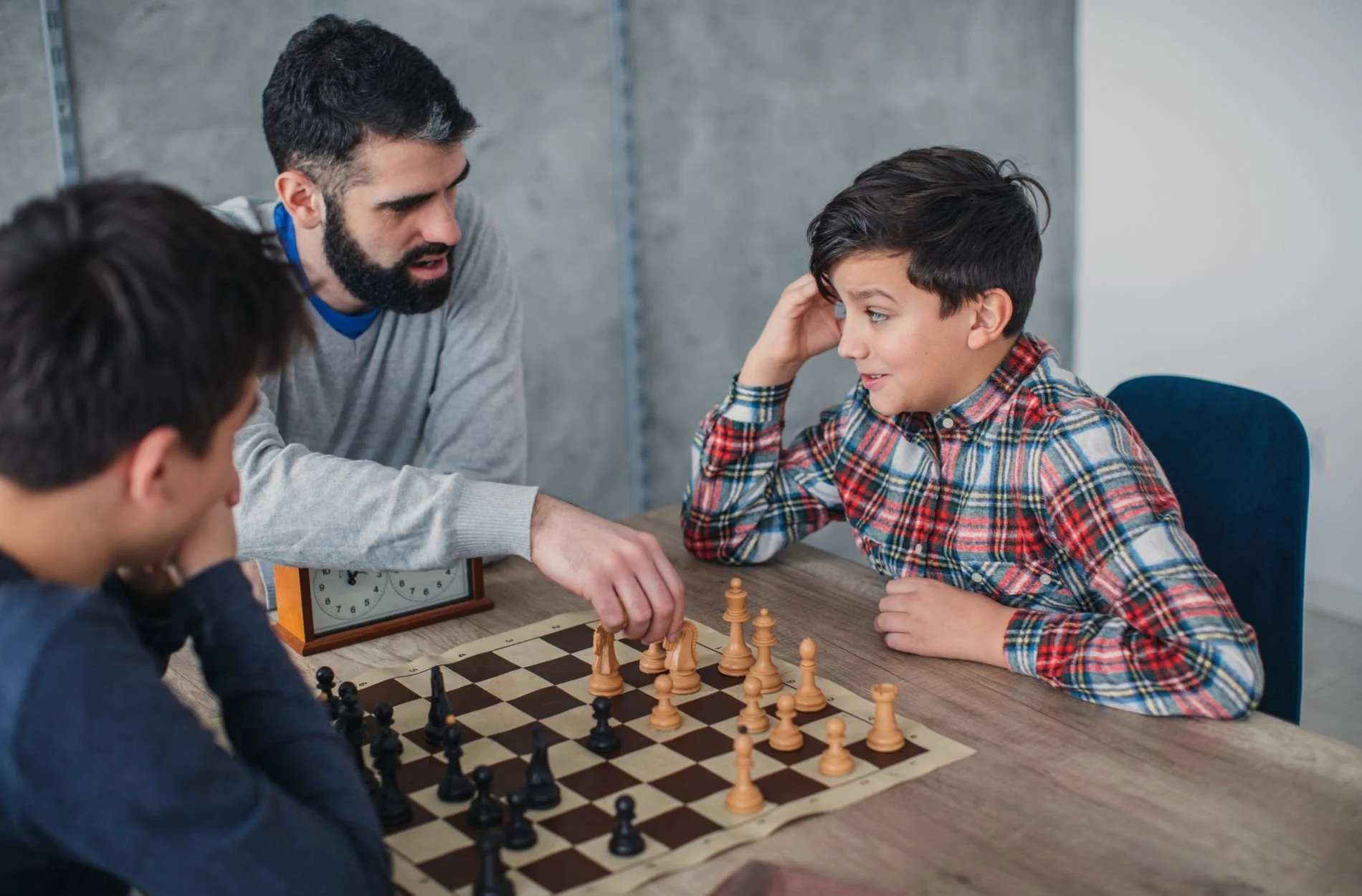
Learning with a teacher is different than learning alone. Something about sitting across from someone who knows where you are improving, and where you are stuck, can keep things moving forward, even on hard days.
• Personal lessons allow teachers to catch small changes a student might miss
• A teacher can adjust the pace at any time, so no one feels rushed or held back
• Feedback feels more helpful when it is based on your own games and questions
Chess teachers take time to notice how a person learns. They offer encouragement that feels real, based on specific games or moments. That kind of attention builds trust. When we trust someone guiding us, we tend to stick with the effort longer, knowing we are not doing it alone.
Personalized instruction creates opportunities for deep learning and meaningful feedback. Chess teachers are attentive to the strategies and habits each student forms, reinforcing effective methods and helping replace unhelpful ones. This level of personal investment not only accelerates growth but makes the learning experience more enjoyable and memorable.
By celebrating each milestone, no matter how small, teachers foster a sense of accomplishment and build student confidence. This compassionate approach encourages learners to confront mistakes with curiosity instead of frustration, and to see challenges as opportunities rather than setbacks.
Winter as a Smart Time to Refocus
January in Manhattan brings colder weather, shorter days, and more time spent indoors. That makes winter a great time for quiet growth. When the city slows down, there is space to think in new ways.
• Chess lessons offer structure during slower seasons, giving the week a helpful pattern
• Indoor learning feels more natural when we are already staying close to home
• Practicing with a chess teacher through winter keeps the brain engaged, even when schedules feel repetitive
With fewer distractions and outdoor activities, winter naturally provides a setting that is well suited for reflection and mental challenges. Chess fits into this pattern perfectly. By dedicating even a small window of time each week to practice, learners can pursue quiet improvement at their own speed. When the days are shorter and activity winds down, chess lessons offer a meaningful antidote to restlessness.
By the time daylight stretches again and outdoor plans start up, learners often feel stronger mentally. Sticking with a gentle, focused habit through the winter builds confidence. That steady energy can lift other parts of life too, from work to relationships to simply how we feel heading into spring.
The cyclical nature of the seasons in a bustling city like Manhattan reminds us that there is value in embracing each period of downtime. Winter's slower pace is ideal for developing new skills and mindsets, and when paired with thoughtful instruction, it becomes an investment in future well-being and resilience.
A Quiet Guide Toward Long-Term Growth
The way chess teachers help people learn goes far beyond the pieces on the board. They teach how to look ahead, make careful choices, and face problems with a clear head. Those lessons last.
For children, it might show up in the classroom. For adults, it could help with work or family life. For everyone, having someone encouraging steady progress feels like a small gift, especially when days are busy and goals feel far away. Whether a student is new to chess or has played for decades, learning side by side with a thoughtful teacher adds meaning to the effort. Little by little, those quiet lessons shape how we think, how we act, and how we carry ourselves through our days.
Just as chess is built on a series of measured, careful moves, so too is personal development. The influence of a good teacher can linger, echoing in choices both big and small. Steady growth and thoughtful support are at the heart of what we offer at United States Chess Academy. Our experienced chess teachers in Manhattan are ready to help you or your child learn at a comfortable pace. Whether you are starting fresh or coming back to the game, one-on-one instruction brings out your best. With friendly guidance and a personalized approach, learning becomes something to look forward to. Reach out today to start your chess journey with someone who understands where you are and where you want to go.