What to Expect from Grandmaster Chess Coaching Sessions
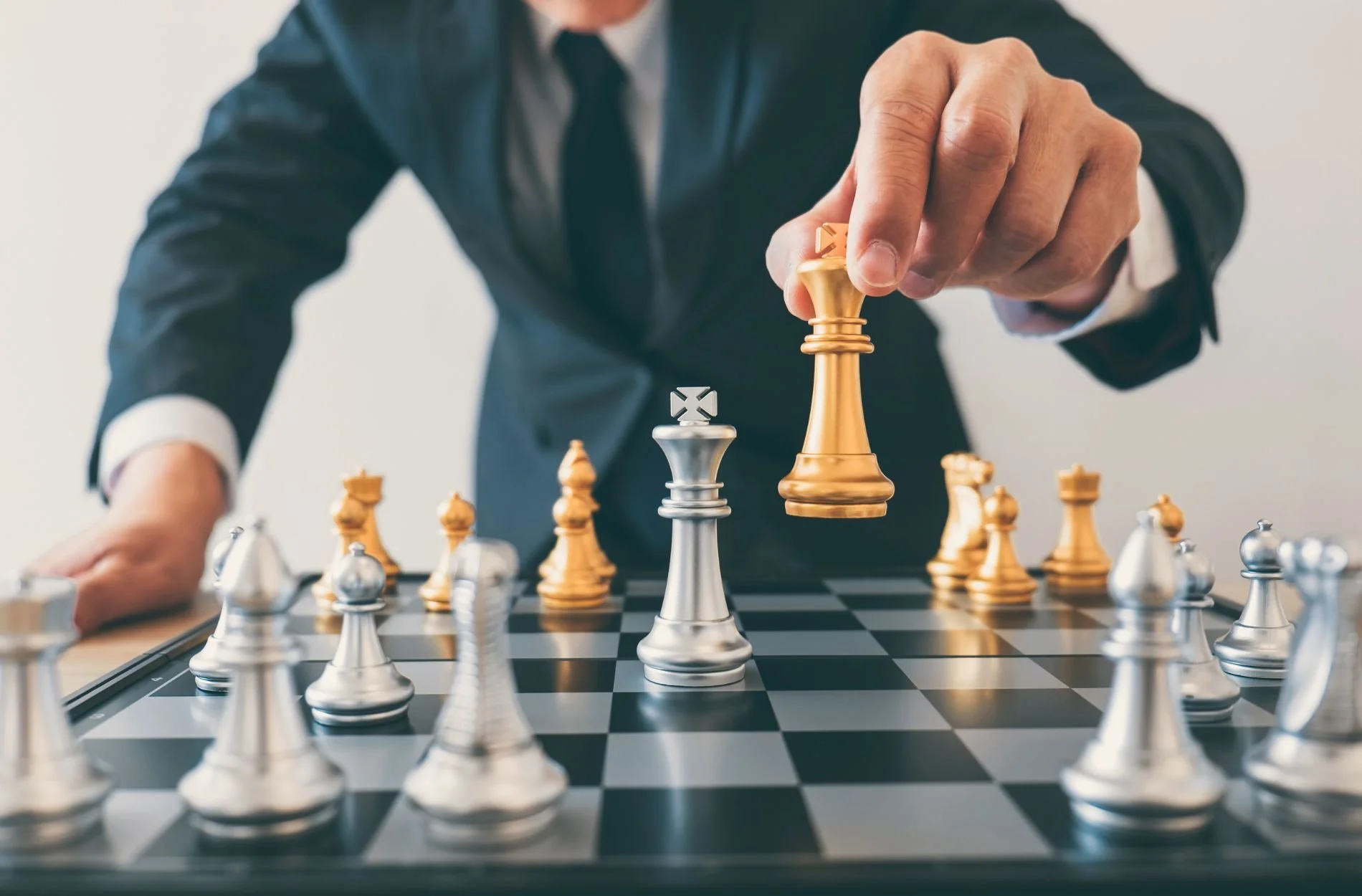
Grandmaster chess coaching is different from a typical chess lesson. These sessions are guided by top-level players who bring years of experience and a deep understanding of the game. This means students don’t just learn basic moves, they learn how to think smarter and play with more purpose. Whether brand new to chess or already comfortable navigating the board, each learner benefits from the guidance that comes from careful, experienced teaching.
This kind of coaching helps build the kind of focus that doesn’t fade after one game. As students sit with a grandmaster and walk through thoughtful strategies, the way they look at the board starts to shift. Each piece carries more meaning. Each move becomes more intentional. It’s a steady, meaningful way to grow, especially in a busy place like Manhattan during the quiet of winter. The steady rhythm of learning becomes a source of comfort during the colder months. The colder months are a good time to stay inside and build a new skill that holds your attention, and holds its value.
What Makes a Grandmaster Coach Special
A grandmaster is one of the strongest chess players in the world. Earning that title means years of training, competition, and success against top opponents. But what really stands out in coaching sessions isn’t just the skill. It’s how that skill turns into clear, thoughtful teaching. Grandmasters have seen a huge range of styles, mistakes, and creative moves, which lets them give students a wider perspective on the possibilities within each game.
• Grandmasters often see patterns well before they unfold. They can spot habits in play that others miss.
• They help students understand not only the "what" but the "why" behind each move.
• Their quiet guidance helps players feel encouraged, not pressured, to think deeper and try new ideas.
Experience helps bring calm to each session. When questions come up, a grandmaster can offer nuanced answers, sometimes drawing from years of observation and play. And because grandmasters have seen all kinds of games and players, they’re good at meeting students where they are, showing them how to steady their thoughts and aim higher, one move at a time.
What Lessons Are Like Each Week
Each coaching session with a grandmaster builds on the one before. Lessons are never rushed. They’re carefully paced so students can absorb what they’ve learned and feel ready for new challenges next time. This approach ensures that nothing feels overwhelming and every student finds steady progress.
• Sessions often begin by reviewing a past game and talking through what worked and what didn’t.
• Then come puzzles or strategies that focus on key thinking skills, followed by practice games.
• Each lesson ends with short, clear goals, something specific to try or notice before the next session.
These regular touchpoints help students feel grounded in their learning. The practice becomes more than memorizing tactics. It becomes a habit of slowing down, thinking through options, and planning smarter. Even when a mistake happens, a grandmaster's encouragement leads to useful lessons, not discouragement.
How It Feels to Learn from a Grandmaster
For a lot of kids (and adults, too), the thought of playing chess with a grandmaster can sound a little intimidating at first. But in a coaching session, the mood is relaxed. The goal isn't to impress but to learn, and learning feels easier when the environment is supportive. Students soon realize that being around a grandmaster is less about pressure and more about opportunity: the opportunity to ask questions, make small mistakes, and work through puzzles together.
• Students say yes to more challenges when they know mistakes are part of the process.
• Coaches show patience, helping players see growth one step at a time.
• Lessons often feel like conversations, not lectures. Players are heard and encouraged.
Students begin to trust not only their coach but their own thinking. They become more open to exploring new strategies, trying moves outside their usual style, and bouncing back from frustrating games. The confidence students develop extends beyond the chessboard, turning each lesson into a stepping stone toward greater independence and self-assurance.
Skills That Go Beyond the Game
Grandmaster chess coaching isn’t just useful on the board. The skills that develop in these lessons show up in everyday places too, at school, in jobs, and in how we approach problems. The careful thinking, patience, and ability to look ahead are valuable for far more than just chess games.
• Planning several steps ahead helps with writing papers, solving math problems, and teamwork.
• Learning how to pause and think builds patience, which supports better decisions in real life.
• Losing and learning from it gets easier. Students begin to look at setbacks as part of the process.
This kind of thinking builds slowly and sticks around. It strengthens attention, reduces stress, and helps players feel prepared, whether they’re making a move in chess or in daily tasks. Over time, these habits lead to a more patient and resilient mindset, making it easier to handle both academic and personal challenges calmly.
Why Winter in Manhattan Is a Great Time to Start
In Manhattan, winter sets a slower tone. Days are shorter, jackets stay zipped, and more time is spent indoors. This makes it a good season for quiet focus, and for learning something that doesn’t need to be rushed. People often take advantage of this season to dig deeper into projects and hobbies that otherwise might be squeezed out in busier months.
• Weekly indoor lessons bring structure to weeks that might otherwise stretch without much direction.
• With less running around, it’s easier to stay consistent and form useful habits.
• Cold nights become a calm backdrop for thinking, setting the stage for lessons that feel focused and personal.
When spring picks back up, the work from winter is already done. Players enter the new season stronger, more confident, and used to practicing with care. This foundation built during the winter then helps players take on new challenges and opportunities with steadiness and clear thinking.
Learning with Confidence and Support
We’ve seen how grandmaster chess coaching helps people grow into stronger players, not by giving them shortcuts but by helping them build skills that last. The pace is steady, the lessons are clear, and each session feels like a step forward. The sense of support is woven into every lesson, creating an environment where trying something new feels rewarding instead of risky.
It helps students focus, think better, and learn at their own speed, not someone else’s. As coaches shape each lesson around the player instead of the other way around, confidence builds naturally. Things click into place, not all at once, but in a way that feels real. It’s the kind of learning that stays with you, long after winter ends. By taking this measured approach, students develop a trust in themselves that translates into greater curiosity, resilience, and joy in the learning process.
Build strong thinking skills this winter with support from United States Chess Academy. Our approach helps students gain confidence, stay focused, and enjoy learning at their own pace. For players in Manhattan, our in-person lessons offer a fantastic way to stay engaged indoors and work closely with instructors dedicated to guiding growth. Discover more about our approach to grandmaster chess coaching and find out how we help players of all ages and skill levels reach their potential, contact us today to get started.