Building Endgame Confidence in Manhattan Kids’ Chess Classes
Turning Quiet Endgames Into Big Wins
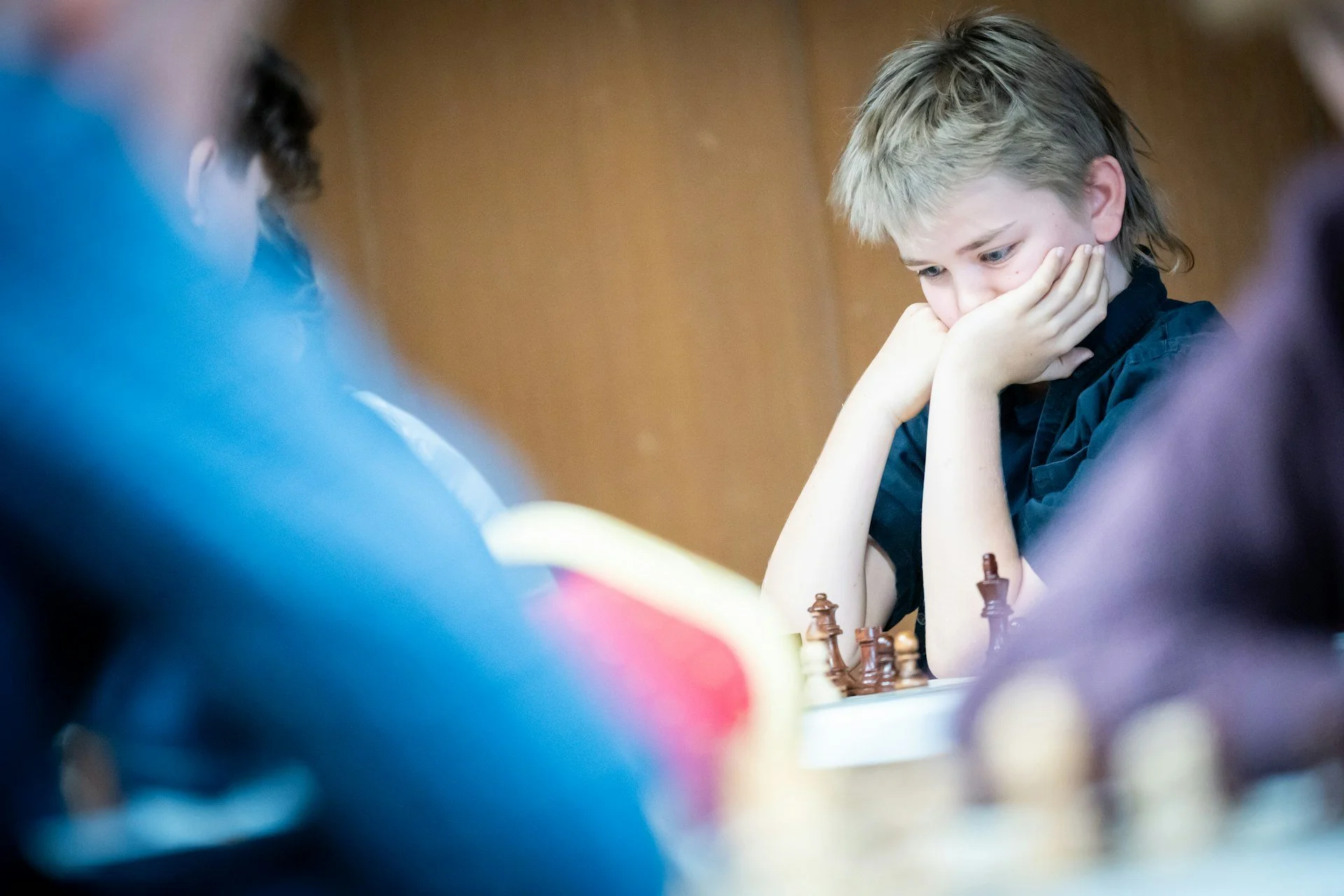
Endgames are where many kids feel the most pressure. The board is almost empty, the clock is ticking, and one small mistake can erase all the good work from the opening and middlegame. Parents tell us they see this again and again: strong positions slowly drift into draws or losses right at the end.
That is exactly why we are putting a special spotlight on endgame confidence in our Manhattan programs right now. Our goal is simple and very practical. We want children to leave class not only knowing key endgame ideas, but also feeling calm and ready when they reach these positions in real games. In this article, we will walk through what we are seeing in our classes, how our coaches are training endgames, and how this connects to upcoming tournaments across New York City.
Why Young Manhattan Players Struggle in Endgames
In our children’s chess lessons in NYC, we see the same endgame patterns all the time. Kids often:
Rush king and pawn endings instead of slowing down to count moves
Miss simple checkmating patterns when they are low on time
Trade pieces too quickly and reach pawn endings that are hard to win
Get nervous when queens and rooks come off the board and the position looks “boring”
At local scholastic events and weekend Swiss tournaments around Manhattan, these habits cost a lot of half-points. A child might be up a pawn in a rook ending, but move too fast, trade rooks, and walk into a drawn king and pawn race. Another child might reach king and queen against king, know that it is winning, but panic and repeat checks until the game is drawn by stalemate.
We remind families that this endgame anxiety is completely normal. Newer and even intermediate players often feel lost when there are fewer pieces to attack with. The good news is that endgames are very trainable. With clear structure, steady repetition, and honest feedback from experienced coaches, kids can turn this “scary” part of the game into a real strength.
How Our Coaches Turn Endgames Into a Superpower
To make endgames feel natural, we build them into the heart of our regular classes. Each lesson cycle starts with a short, focused mini-lesson on one idea, such as:
Opposition in king and pawn endings
How to create and use an outside passed pawn
Why active rooks win more rook endings
How to keep your king safe in queen and rook endgames
Right after the mini-lesson, we jump into guided practice. Instead of random puzzles, we often use positions taken straight from our students’ recent games at Manhattan scholastics, Hunter tournaments, and other city events. Kids recognize their own mistakes and see what they could do differently next time.
Our grandmasters and titled coaches in New York play a huge role in this process. They take famous grandmaster endgames and break them into kid-friendly chunks. A complicated rook ending becomes a simple checklist: “Activate your rook, bring your king, push the passed pawn.” We want children to see patterns, not just memorize theory.
To build real confidence, we mix in:
Puzzle ladders, where positions get just a little harder each step
Timed “endgame sprints,” where kids have to win a simple ending with just a few minutes on the clock
Group analysis, so students explain their ideas out loud and learn to trust their thinking
This blend of teaching, practice, and fast decision-making helps kids move from “I kind of know this idea” to “I can do this in a real game when it counts.”
Inside Today’s Children’s Chess Lessons in NYC
During a typical week in our Midtown and Upper Manhattan classes, we give the endgame its own rhythm. Early in the week, we usually focus on core king and pawn endings. Kids learn when to move the king first, when to push a pawn, and how to keep the opponent’s king out. Later in the week, we return to those ideas by reviewing real games from class, online play, and weekend tournaments.
We group students by rating and experience so each child works on endings that match their level:
Newer players practice basic mates like ladder mate with two rooks, the box method with a queen and rook, and king and queen versus king
Intermediate players work on simple rook endings, winning with an extra pawn, and defending slightly worse positions
Advanced students explore tricky rook and pawn endings and opposite-colored bishop endings that often appear in higher-rated events
Parents also see this endgame work at home. We send home simple “endgame challenges” on paper or by email, with one clear position to solve before the next class. Our newsletter often highlights a single “Endgame of the Week” that families can solve together. That way, the ideas from the classroom carry over into kitchen tables across the city.
Building Tournament-Ready Habits Before Fall Events
Endgames are not just about knowing the right move. They are also about handling time pressure and nerves. As kids prepare for fall scholastic events in Manhattan, including big weekends at places like Hunter College and other city venues, we pay special attention to tournament habits.
In class and in our in-house practice tournaments, we coach students to:
Check the clock often, especially when many pieces have been traded
Leave a little extra time saved for the final 10 moves
Use their scoresheet to spot where the endgame started so they can review it later
Take a short, calm pause before important king or pawn moves
We also run training games with endgame-only starting positions. For example, starting a game from rook and four pawns versus rook and three pawns, with limited time, creates the same pressure kids feel in sudden-death rounds at real Manhattan events. We sometimes give one side a tiny advantage and ask them to convert the edge, while the other side practices stubborn defense.
These scenarios help children experience the exact feeling of “I am a little better, can I really win this?” so they learn to push for victory instead of settling for a quick draw.
Summer Camps and Online Play That Reinforce Endgames
Endgame confidence grows fastest when kids see the same ideas repeated in different settings. That is why our summer camps weave daily endgame labs into the schedule, right next to openings, tactics, and fun variant games. At Central Park, for example, the schedule might include a midday session devoted just to key king and pawn patterns or rook activity. You can see how we structure these days in our Central Park camp overview.
Our online lessons mirror what we are teaching in the classroom so children who travel or spend time outside the city can stay on track with the same themes. The same opposition drills, rook activity ideas, and checkmate patterns show up in our online lessons that we use in our New York groups.
To keep practice steady between classes, we use:
Online tournaments where many games start directly from set endgame positions
Homework positions that match common rook and pawn endings, simple king races, and basic mates
Coach feedback that points out not just blunders, but also missed chances to simplify into winning endgames
This constant connection between in-person classes, camps, and online work helps children keep their endgame tools sharp for the new school year.
Help Your Child Finish Strong on Every Chessboard
Parents can support this endgame focus in simple, low-stress ways. When your child returns from a tournament at a Manhattan school or club, ask about the last 10 moves of each game. Many important moments happen right there. If they keep scoresheets, encourage them to bring those games to class so coaches can walk through the endgame decisions with them.
At United States Chess Academy, our goal is that children’s chess lessons in NYC are not just about starting well, but about finishing with a clear plan. By connecting what we teach in weekly classes, summer camps, and online sessions, we help kids see endgames as a normal, even fun, part of the game. Over time, those once-scary quiet positions turn into opportunities to play confident, accurate moves and walk away from the board proud of how they finished.
Help Your Child Build Focus, Confidence, and Strategic Thinking Through Chess
If you are ready to give your child a structured, engaging way to grow both on and off the board, explore our children's chess lessons in NYC. At United States Chess Academy, we tailor each lesson to your child’s level so they can progress with clarity and enthusiasm. We are happy to answer questions about schedules, level placement, or next steps when you contact us.