Summer Transition Chess Training in Manhattan Group Classes
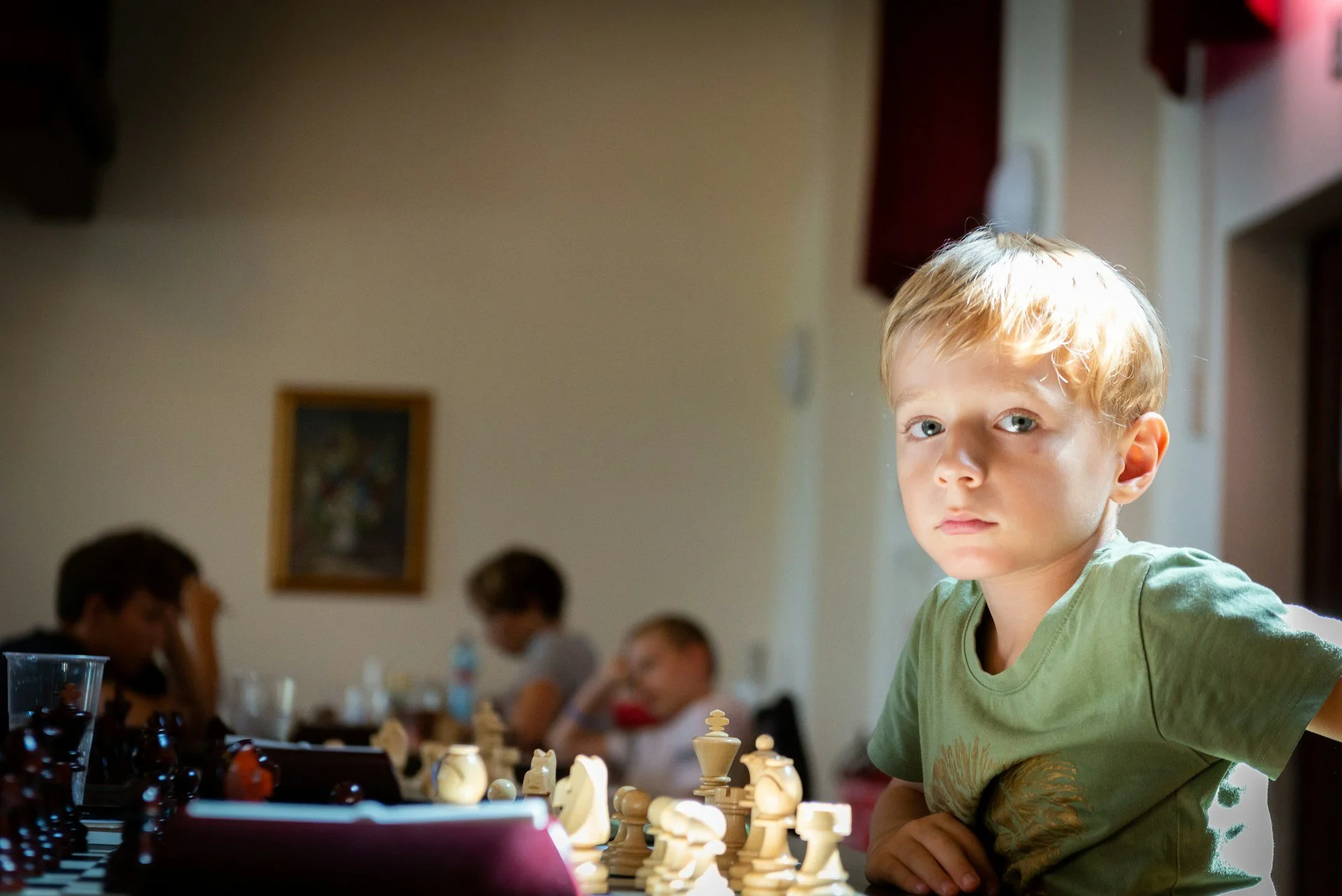
Make Summer Count with Purposeful Chess Training
Summer is a transition season. School schedules change, tournaments slow down for a bit, and a lot of players either stall or leap forward in their chess. The difference is rarely talent. It is structure, habits, and what they do with their extra time.
Our summer transition group classes for chess training in Manhattan are built to turn that extra time into focused, fun progress. Right now in our classrooms, students are working through structured lessons, then jumping into active training games that feel like real tournaments, not casual play. Titled coaches guide them through patterns, ideas, and practical decisions that they will soon face at the board in upcoming events.
These are not “camp-only” puzzles that students never see again. Our summer themes are chosen very carefully so they connect with the real tournaments students will be playing in late summer and early fall. What they learn today is meant to show up in their very next serious game.
Why Summer Transition Matters for Tournament Players
For tournament players, summer sits right between the busy late-spring events and the packed fall schedule. It is the perfect window to turn recent games into lessons and plan the next rating jump. Without a plan, weeks slip by, and players return to tournaments rusty and unsure.
In our groups, students are:
Reviewing recent scholastic and adult games, move by move
Spotting recurring issues, like missing tactics or rushing decisions
Turning those patterns into clear, simple training goals
One player might see that they keep losing endgames with an extra pawn. Another may notice that they burn all their time in the opening and then panic later. When we see these patterns together in class, we can build drills that directly attack those weak spots.
Consistent chess training in Manhattan group classes also stops the “long break” effect. Instead of coming back in September feeling slow and out of shape, students return with:
Sharper calculation habits
More stable openings that fit their style
Recent practice in real tournament conditions
That leads to calmer decision-making when the clock is ticking, whether the event is in a local Manhattan school, a weekend open, or a well-known event like Hunter or other major scholastic tournaments.
Inside Our Manhattan Summer Group Classes
A typical summer group session has a simple, clear flow. We want every minute to connect to real chess.
Most classes follow a pattern like this:
Targeted lesson on a focused topic
Themed exercises chosen around that topic
Supervised practice games that mirror real tournament play
A lesson might be on critical king and pawn endgames, attacking patterns on the kingside, or practical opening lines that students are facing over and over. After the explanation, students solve positions that use those same ideas. Then they play training games where coaches walk around, ask questions, and highlight the exact moments where the lesson should appear.
Our weekly themes match what we highlight in our email updates and newsletters. If the theme is “finishing winning positions,” families will see that:
The newsletter explains the concept in simple language
Homework or online work uses the same type of positions
Group class games are stopped at key moments to ask, “What is the cleanest win here?”
Groups are organized by both age and level. Young beginners can focus on checkmating patterns and basic tactics without feeling rushed by advanced theory. Tournament players can move quickly through material, looking at positions that are closer to what they face at events like Manhattan weekend tournaments or strong scholastic events across the city.
Our titled coaches know students’ recent games and rating goals, so class time is not generic. When someone repeats a mistake from a recent tournament, we can bring that moment into a group lesson and let everyone learn from it.
Connecting Training to Upcoming Tournaments
Every summer training cycle is built around real events on the calendar. Local Manhattan tournaments, regional scholastics, and key US Chess-rated events shape our planning. We keep an eye on popular events at schools and clubs in the area, including strong scholastic events like Hunter and other city tournaments, so training lines up with what students will actually face.
Lesson topics reflect practical, common problems such as:
Handling time trouble with simple decision rules
Converting winning positions instead of “letting them slip”
Defending worse positions long enough to save half a point
Building a reliable opening set that will hold up under pressure
When students return from a weekend event, we look at their games. Those games often turn into next week’s class examples or homework sheets. That way, the blunder from Saturday turns into a pattern we fix together on Wednesday. Parents can see a very clear link between tournament mistakes and the drills that follow.
We also coordinate with our online work. Many families pair Manhattan in-person training with live online lessons, so a theme like “handling isolated pawns” might show up in:
Group class board examples
Online homework positions
Follow-up discussion in a live online session
This kind of repetition helps the idea stick, so it appears automatically in the next tournament game.
Building a Complete Summer Training Plan
We see group classes as the anchor of a full summer plan. Around that anchor, students can add online sessions, homework positions, and tournament play, both at our own events and at other strong Manhattan tournaments.
A simple layered plan might look like this:
Weekly in-person group class in Manhattan
One or two online sessions focused on tactics and calculation
Regular play in local tournaments or practice leagues
At-home review of key positions from class and games
Families who are already studying with us often blend in-person and online training so that the same core ideas keep repeating across different formats. A theme that starts live in Manhattan might be reinforced that same week in an online session and then tested in a weekend tournament.
Goals change by level:
Beginners focus on basic checkmates, simple tactics, and not hanging pieces
Intermediate players work on solid openings, core endgames, and steadier time use
Advanced tournament players train deeper calculation, strong nerves, and practical decision making before important rated events
For some students, summer also includes special programs like our Central Park camp, which adds more hours of focused practice without feeling like more “school.”
How Families Can Support Summer Chess Progress
Parents play a big part in turning summer into a season of real growth instead of lost momentum. The good news is, support does not have to be complicated or time-consuming.
A simple home routine could include:
Setting a regular “chess time” on class days for light review
Asking your child to explain one or two positions they saw in class
Using newsletter themes as easy conversation starters, like “How did you work on time trouble this week?”
Motivation tends to stay higher when progress is visible. Some families like to:
Track rating changes over the summer as one measure of growth
Celebrate personal milestones, like playing in a first rated event
Plan to attend major tournaments together to make the experience fun, not stressful
The most successful students usually have families who help balance class attendance, tournament play, and rest. They look at our emails, newsletter notes, and schedules and treat them as a roadmap for the season. When a big event is coming up, group classes can tilt more toward practical preparation. When there is a quieter stretch, we can focus on building new skills.
To keep everything organized, many families use our online tools to manage their schedule and programs in one place, including selecting classes and events through the online cart. With a clear plan, summer becomes a steady bridge between one school year and the next, instead of a gap that has to be repaired in the fall.
Help Your Child Build Real Chess Confidence In Manhattan
If you are ready to turn casual interest into real skill, our structured chess training in Manhattan gives students the focused coaching they need to improve. At United States Chess Academy, we combine expert instruction with practical play so each student can see measurable progress. Reach out to contact us and we will help you choose the right program for your child’s goals.