
Engage With Chess Teachers How To Improve Your Play In Manhattan
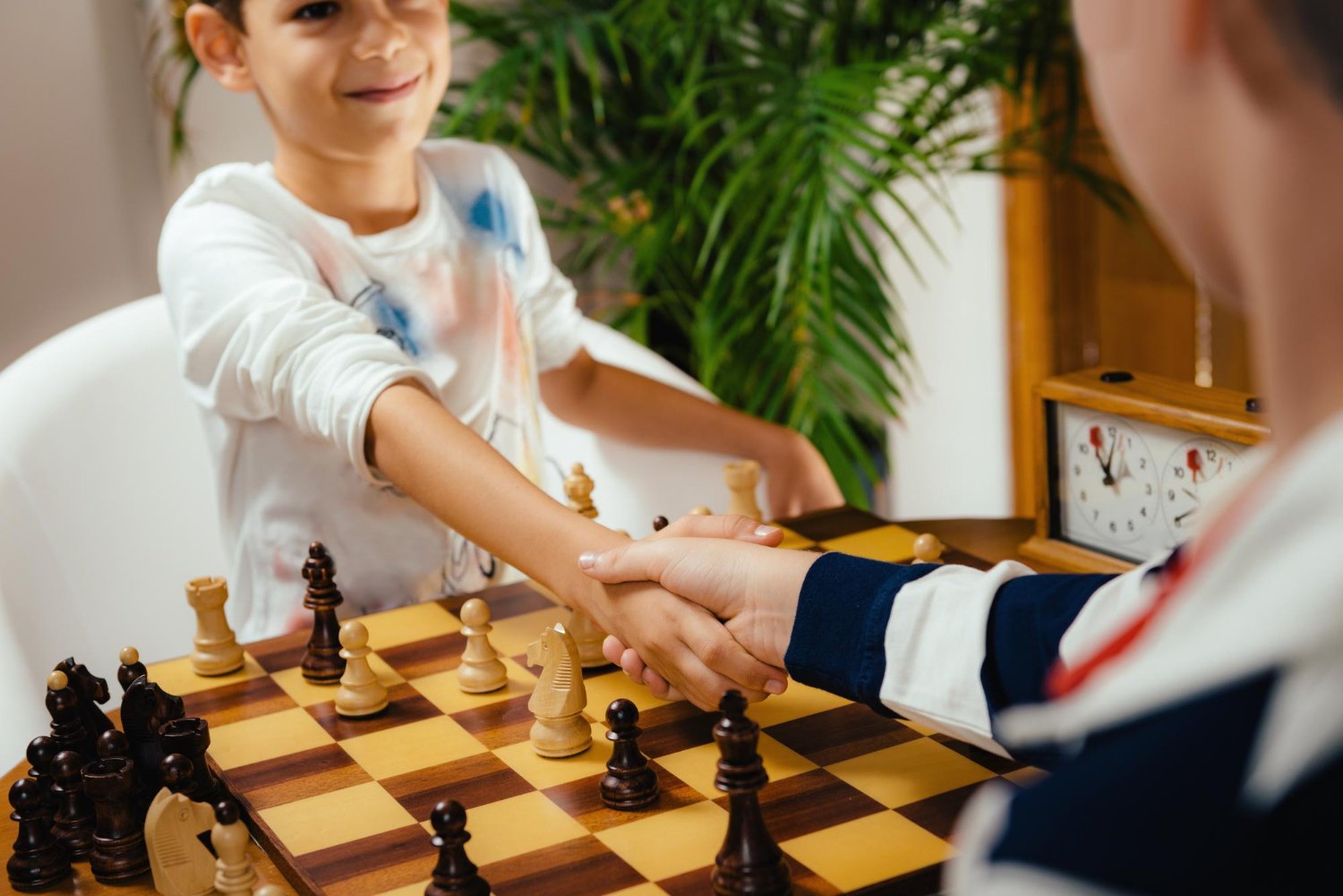
When winter sets in across Manhattan, most of us start spending more time inside. The sidewalks get icy, the coats come out, and after-school or weekend plans feel less rushed. For many, it is a perfect chance to focus on thoughtful indoor activities. Learning to play chess, or improving at it, fits this slow season well. It is quiet, it is steady, and best of all, it is something that can grow with you.
For players hoping to get better, this is a great time to connect with chess teachers. A good teacher does not just tell you what move to play next. They help you build confidence and focus your effort where it matters. Practice by itself is fine, but when someone helps guide that work, it feels less confusing and much more clear. With the right support, improving can feel enjoyable.
Find Out Where You’re Getting Stuck
Before you can move forward, it helps to stop and look at where you are standing. A lot of players hit walls they did not expect. It might happen right after their first few moves. Or maybe they freeze in the middle of a game, feeling unsure what to aim for next. Others make it to the end but rush through, unsure how to finish strong.
We have seen this again and again. It is completely normal.
• Openings often bring too many choices, and it is hard to know which ones lead to good positions
• The middle game might feel messy, with lots of pieces moving and no clear plan
• The endgame can slip away just because of one rushed move
Noticing where your own games go off track is a big deal. It can help you build better habits and focus your study. Sometimes, the issue is not even what you know. It is how you react when you are unsure. Do you start guessing? Do you play too fast? There are patterns in each of us that we do not see until someone helps point them out. That is where a teacher comes in. They press pause on the parts that feel unclear and help you work through them one step at a time.
Why Learning With a Teacher Feels Different
Trying to figure out things alone can be frustrating. You watch old games, try new puzzles, read through opening lines, and still feel like nothing changes. That is where having a teacher makes a real difference.
• A teacher gives live feedback that helps right away
• They see the habits behind the mistakes, not just the move itself
• They explain ideas clearly, often in simpler ways than books or videos
Let us say you keep playing the same opening but are not sure why it is not working. A teacher will not just tell you to play something else. They will review your games with you and ask, “What do you think should happen here?” That back-and-forth makes your thinking sharper. You stop copying moves and start understanding why they work.
The truth is, it is really hard to see your own patterns. A teacher brings a fresh view. They see things you might miss, and they help you learn the reasons behind each move. It is not just about knowing more. It is about thinking better.
Build a Winter Routine That Works for You
One good thing about cold weather in Manhattan is that it slows everything down just a little. Less time in the park, fewer outdoor events, and more hours inside. That quiet space can work for you if you make a steady routine.
Start small:
• Set a goal for the week, like reviewing three endgames or trying a new opening
• Find a regular time that works, whether it is after school or before bed
• Keep sessions short but focused, quality matters more than time
We have seen how simple habits lead to progress. You do not need to train for hours. What matters most is how often you show up. A steady routine builds momentum, and soon your games feel less confusing than before. Having a teacher can help anchor that rhythm even more, turning each week’s goal into something real and reachable.
It is also helpful to track your lessons or games in a notebook or on your computer. Writing down moves that felt tricky or surprising makes it easier to see patterns over time. Even a short note about how a game went can make your next practice session more useful.
Sticking with a routine in the winter gets easier when you have clear goals. If the days feel a bit slow, that can be a perfect time to review your progress and think about what you want to get better at next. These small steps add up, and you will find your skills growing more each week.
Playing and Learning With Others
Chess does not have to be quiet and solo all the time. Much of what we learn comes from sharing. Playing games with others, talking about moves, and asking simple questions can open new paths you had not thought of.
• It is easier to try new things when no one is keeping score
• Watching someone else make the same mistake you made helps connect the dots
• Explaining your thought process to someone else shows you what parts need more work
A good teacher creates space for this. Either during lessons or review time, small groups or partner games keep players engaged. You learn more when you are not feeling lost or alone. Having others around helps you test your ideas and take in new ones.
Some of the fastest progress we have seen happens when players talk through games together. Even when they lose, they leave with more understanding than when they started.
Being able to discuss what you saw on the board, even if you missed the “right” move, is powerful. It makes learning less scary, and it helps turn mistakes into helpful lessons. If you ever feel like you are stuck on an idea, hearing how someone else solved it can give you the courage to try again.
Inviting friends or family to play with you is another way to keep growing. Each new game teaches something, and just a few questions back and forth will bring out different ways to solve chess puzzles. Even a short friendly match can give you more to work on during your next lesson or study time.
Keep Progress Steady With the Right Support
No one gets better at chess overnight. Growth takes time, and sometimes you do not even notice it is happening until a month later, when a game goes smoother than usual. That is normal.
The key is staying steady:
• Keep showing up, even when you feel stuck
• Stay curious, ask why something works, not just what works
• Be okay with mistakes, because they help you get stronger
Chess has many layers. It gets deeper the more you play. It can be slow, but it is more enjoyable when you feel supported along the way. The right teacher helps give you direction so you do not have to fix everything alone.
December is a great time to shift gears and build something new. The quiet of the winter makes space for progress. When you know someone is guiding your practice and helping you stay on track, even a tough lesson feels easier to face.
Try to notice your improvements, even if they are small, as each lesson helps you make a little more progress. Ask questions when you’re unsure or feel stuck. Teachers are there not just for giving answers, but to help you understand what kinds of questions to ask as you improve. This support makes learning smoother and builds your belief in yourself as a chess player.
If you keep working week after week, you will start to notice that games which once felt hard are a bit easier. Your practice will begin to pay off, not just in wins, but in the way you think about moves and plans. Every player’s path is different, but steady support makes the journey feel possible and rewarding.
We are here to help you continue on that path. Working with one of our instructors at United States Chess Academy in Manhattan, New York, makes the learning process less confusing and more engaging, especially in the winter months. Whether you are new to the game or trying to play with more confidence, steady support can make all the difference as the season moves on.
Spend your winter in Manhattan making real progress on your chess skills by working one-on-one with our chess teachers. Personalized instruction helps you spot patterns, build lasting habits, and gain confidence with every game. At United States Chess Academy, we believe learning should be engaging and supportive, setting you up for steady improvement at your own pace. Reach out today to begin your chess journey.