One-on-One Chess Lessons Speed Up Learning For Beginners
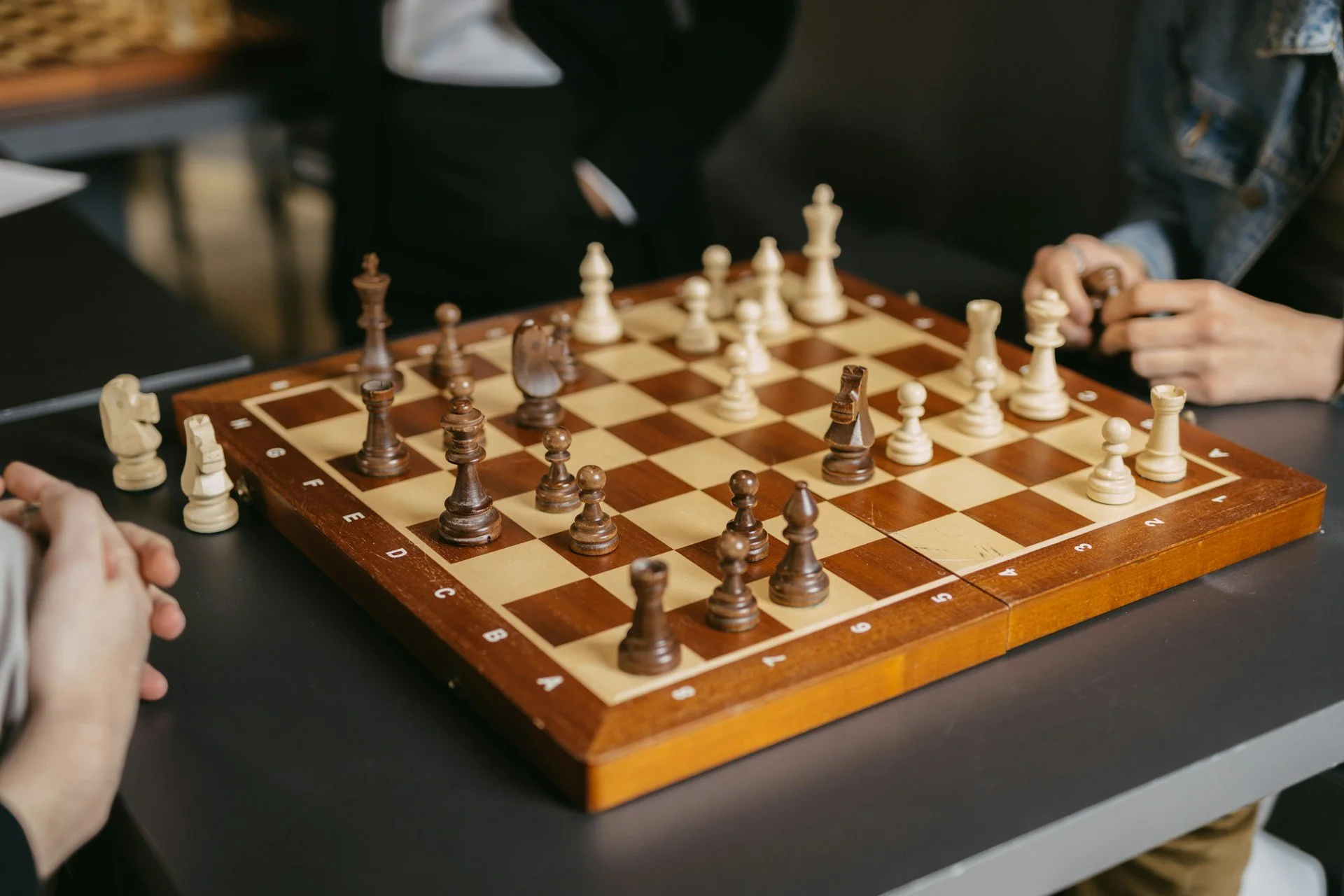
Learning chess doesn’t happen overnight. It takes time, practice, and the right kind of help. For beginners especially, one on one chess lessons can make those first few steps less confusing. When you have someone guiding you closely, it’s easier to stay on track and enjoy the process.
In Manhattan, New York, NY, things move quickly. But inside a quiet chess lesson, time slows down just enough to help new players focus. Without noisy distractions or a busy group setting, early learners can feel more comfortable and make real progress. Winter is a good time to begin too, when the colder weather keeps more of us indoors looking for something new to focus on.
Building Confidence from the First Move
Getting started with chess can feel a little scary at first. There are a lot of rules, patterns to learn, and long games to play. But having a coach by your side changes everything.
• One on one teaching helps students feel less shy. They don’t need to speak up in front of a group or worry about others watching their mistakes.
• Lessons move at the right speed, so confusion doesn’t build up. Any question, big or small, is completely okay to ask.
• When beginners work with the same instructor regularly, that trust builds over time. That consistency makes it much easier for a new player to settle in and learn.
Confidence doesn’t just show up on its own. It grows when new players feel safe, supported, and seen.
Getting Clear Feedback Right Away
Part of learning well is understanding what went wrong and how to fix it. That’s hard to do alone or in a busy group where the teacher’s attention is divided. One on one lessons change that experience pretty quickly.
• Feedback happens right in the moment. If a move doesn’t work, the coach can explain why it didn’t, using simple words that fit the way the student thinks.
• A teacher can notice small habits building early, both good and bad, and respond before they grow too strong.
• Because the pace is slow and steady, each correction sticks. New students don’t just change one move, they start thinking differently about the whole board.
This kind of focused attention helps people stay motivated. They're not just told what to do, they understand why it's done that way.
Learning the Basics That Really Matter
Every strong chess player starts small. Learning how the pieces move, understanding check and checkmate, and spotting simple patterns in the game are building blocks that matter more than rushing into advanced ideas.
• One on one lessons keep a tight focus on these basics, without skipping steps or jumping ahead.
• There’s time to explain each concept clearly and go back over anything that needs more clarity.
• In Manhattan, with winter in full swing by December, it's a great time to slow down indoors with something engaging. Chess is a warm, quiet activity that gives the brain something fresh to explore.
Building a strong base doesn’t make a student slower. It sets them up to improve faster later.
Staying Focused With Fewer Distractions
A calm, quiet space helps learning happen. Group classes can be fun, but they come with noise, movement, and distractions. That’s not always the best setup for brand-new players.
• When it’s just the student and the coach, the attention stays where it belongs, on the board.
• There’s no pressure to keep up with others or share time during explanations.
• This clear space helps ideas stick. Whether the student is a child who learns best with routine or an adult who prefers peace while learning something new, fewer distractions mean better focus.
In a busy city, that calm can be hard to find. One on one lessons create that steady setting, even with the city buzzing just outside the door.
How Steady Support Leads to Stronger Players
Improvement in chess doesn’t come all at once. It shows up in small steps, the kind you only notice when things start to feel a bit easier each time.
• Regular one on one lessons build good habits. When students meet with the same coach often, practice becomes part of the week.
• Coaches that know each student well can plan better next steps. They know when it’s time to slow down or when to move ahead.
• Over time, this kind of routine doesn’t just make someone better at chess. It helps them focus, stick with problems, and think calmly under pressure.
Steady support is what keeps learners going when things get tricky. It’s not just about the game, it’s about showing up and trying again.
Steady Steps Toward Smarter Play
Starting with one on one chess lessons gives beginners something solid under their feet. The game makes more sense, progress feels steady, and tough parts are easier to handle with someone walking them through it.
By keeping lessons focused, supportive, and simple, we help new players feel more in control of what they’re learning. For anyone in Manhattan, where time is short and space is tight, having a quiet hour to just think and play can make all the difference.
Slow steps lead to smart moves. When beginners start from a strong place, the rest of the road feels clearer and more fun.
Ready to find a quiet environment in Manhattan where you can truly focus and grow as a chess player? Our one on one chess lessons offer personalized guidance at your own pace, helping you build confidence and deepen your understanding with each session. The slower winter months are ideal for starting a rewarding challenge that keeps your mind sharp in a supportive, calm setting. At United States Chess Academy, we make every lesson welcoming and thoughtfully tailored to your needs. Reach out to get started.