Helping Kids Manage Tournament Nerves at Manhattan Chess Events
Turning Tournament Nerves Into Manhattan Chess Confidence
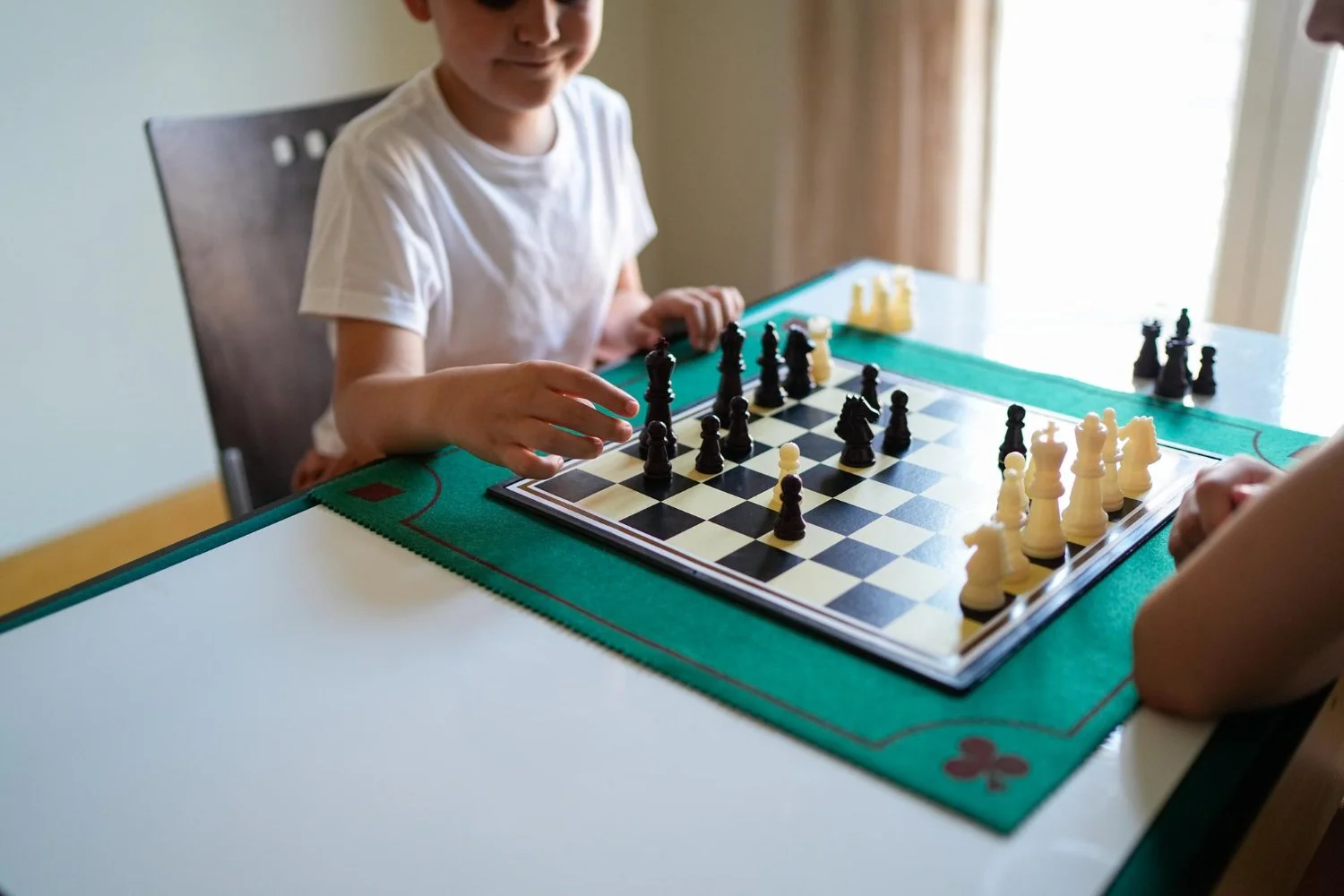
Kids feel a special kind of pressure at scholastic chess tournaments in Manhattan. The halls are packed, the boards are lined up in long rows, clocks are ticking, and you can almost feel the focus in the air. For many children, it is exciting and scary at the same time.
Nervous stomachs, shaky hands, and worried looks are all completely normal. Even top grandmasters feel nerves before important games. The good news is that with the right habits, those nerves can turn into sharp focus and steady energy. Our goal is to help young players, and their parents, turn New York tournament stress into confidence and growth.
Why Manhattan Chess Tournaments Feel So Intense
Scholastic chess tournaments in Manhattan often feel bigger and faster than events in other places. The competition is strong, the rounds can be close together, and the city outside never seems to slow down. For a young player, it can feel like the whole world is watching every move.
Common signs that a child is feeling this pressure include:
Moving too fast in winning positions
Missing simple tactics they know at home
Saying “I forgot everything” after the game
Complaining of headaches or stomach aches before rounds
Crying after losses or refusing to look at the score sheet
These reactions do not mean your child is weak or “not a competitor.” They usually mean your child cares deeply about doing well and is not yet sure how to handle big feelings. To better understand the psychological side of performance, parents can explore resources from the Association for Applied Sport Psychology, which offers excellent advice on helping young athletes (and chess players) manage competition anxiety.
Building Calm Before the First Move
A smoother tournament day starts long before the first round. The week leading up to an event is a great time to build simple, steady routines instead of last‑minute cramming.
Helpful week-of habits include:
Regular sleep and wake times
Light daily exercise, like walking or playing outside
Short practice sessions with real clocks and score sheets
Review of a few classic puzzles instead of complex new openings
The night before the event, a small “chess ritual” can help kids feel prepared and in control. Packing a bag with essentials, like a water bottle and healthy snacks, ensures they aren't scrambling in the morning. For those new to the competitive scene, it is also helpful to review the US Chess Federation’s Official Rules of Chess so that technical rules like "touch-move" feel like second nature rather than a source of stress.
On-Site Strategies Kids Can Use Between Rounds
What happens between rounds can shape the whole day. Kids who stay in their chair, replay every mistake in their head, or obsess over the standings often walk into the next round more nervous than before.
Instead, we encourage a simple between‑round routine:
Take a short walk away from the boards
Drink water and eat a light snack, not heavy or sugary foods
Talk about one lesson from the game, then let it go
Spend a few minutes relaxing, reading, or chatting quietly
Post‑game analysis should feel like problem solving, not punishment. A useful rule is “one key lesson per game.” Maybe it is “do not rush when I am winning” or “always check forcing moves.” When kids know they only need to find one main idea, they calm down faster and learn more.
Before each new round, a quick “reset” can help:
One or two minutes of slow breathing
A simple self‑statement like “I will play slowly and look for checks and captures”
Visualizing the first few calm moves, such as developing knights and bishops, instead of worrying about the final result
These small habits teach kids that nerves are just energy, and that they can guide that energy into smart, steady play.
Helping Parents Support, Not Pressure, Young Players
Parents play a huge role in how kids feel at scholastic chess tournaments in Manhattan. Supportive words and body language can turn a stressful day into a powerful learning experience.
Helpful phrases before and after rounds include:
“I am proud of your effort today.”
“What is one thing you learned from that game?”
“You do not need to win every game to have a good tournament.”
“How did you feel about your focus and time management?”
Things to avoid, even if you mean well:
Hovering near the board or trying to catch your child’s eye
Asking “Did you win?” as the very first question
Comparing your child’s results to friends or siblings
Showing big reactions to ratings, awards, or standings
When parents and coaches share the same message about growth and learning, kids relax. They trust that chess is about progress over time, not one perfect day.
How Coaching Turns Nerves Into Lasting Skills
At United States Chess Academy, our focus is skill and mindset, not just openings and tactics. Since we work in New York and online, we see a wide range of tournament settings, including many scholastic chess tournaments in Manhattan, and we shape training with those events in mind.
Some helpful tools we use include:
Practice tournaments that copy real event rules and time controls
Careful game review with titled coaches, focused on key turning points
Mindset coaching that shows kids how strong players think about wins and losses
In both in‑person and online settings, we help students learn how to:
Use their clocks wisely and avoid rushing
Stay calm in time pressure, sticking to simple, safe plans
Handle big wins with grace and tough losses with maturity
When young players see their own progress, even small steps, their nerves start to feel more like excitement. They begin to walk into Manhattan events knowing they have tools, habits, and a team behind them.
Help Your Young Player Grow Through Competitive Chess
If your child is ready to take the next step in their chess journey, our scholastic chess tournaments in Manhattan provide a structured, supportive environment to develop real over-the-board experience. At United States Chess Academy, we design events that challenge students at every level while keeping the focus on learning and sportsmanship. We are here to answer questions about pairing, sections, or how to get started, so feel free to contact us today.