What Chess Summer Camp in Manhattan Really Looks Like Every Day
Inside a Manhattan Chess Summer Day
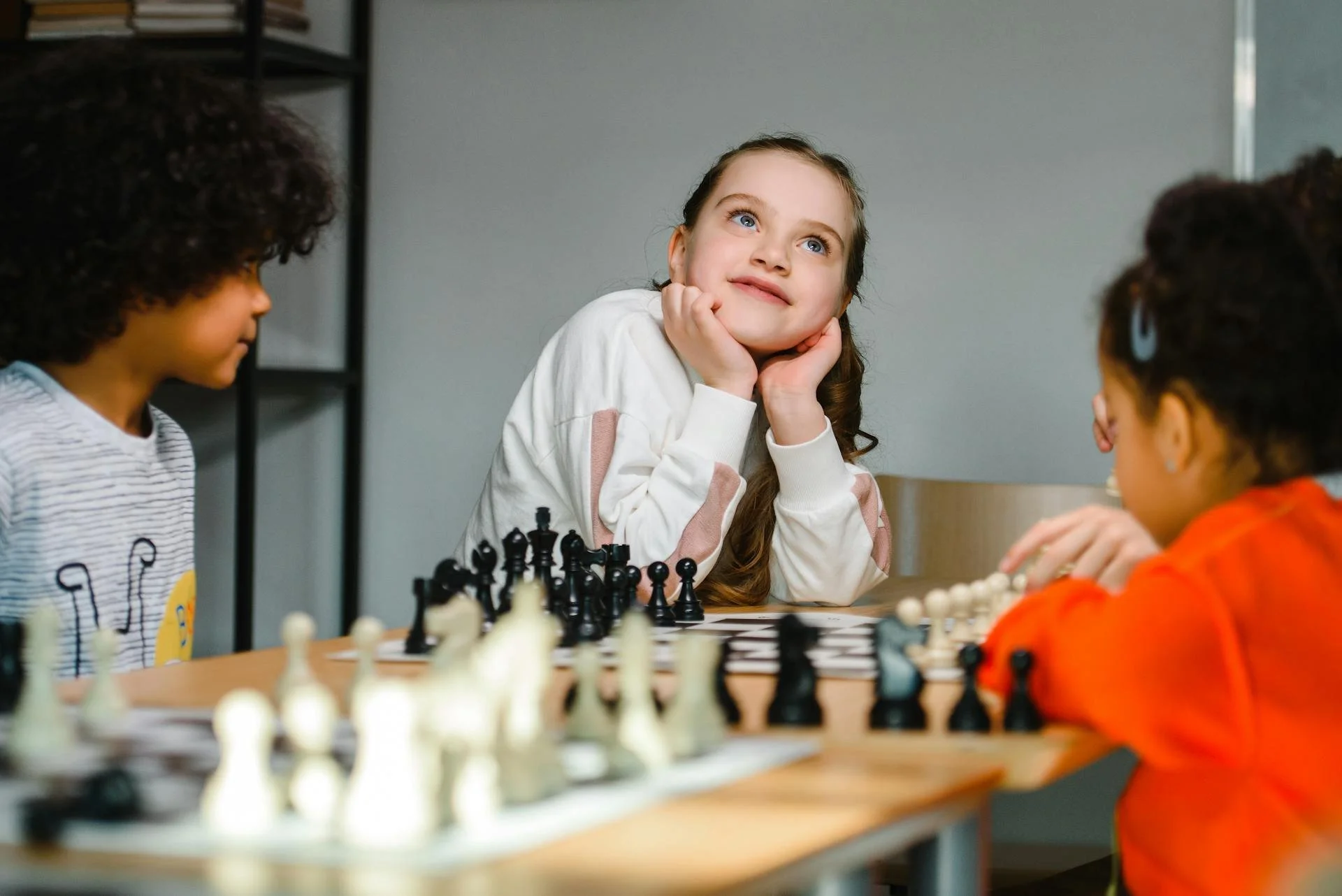
A NYC chess summer camp is a real day camp, not just kids sitting quietly at a board. There is noise, laughter, friendly trash talk, and a lot of thinking. Outside, Manhattan streets are busy and loud. Inside, you see rows of boards, kids leaning over positions, and coaches walking by to ask, “What is your plan here?” It feels focused, but never stiff.
Families from all boroughs and even outside the city send their kids into Manhattan for camp because they want something that is fun but also meaningful. At a strong chess camp, kids are not just passing time. They are learning skills they can use in school, at home, and in life. Research from organizations like the International Chess Federation (FIDE) suggests that structured chess play can significantly enhance a child's cognitive development and patience. Parents get a safe, well-supervised place for their kids with very little screen time, while kids still feel like they are doing something current, social, and exciting.
A Day in the Life at an NYC Chess Summer Camp
Most days start with a relaxed check-in. Kids hang up their bags, say hi to friends, and walk right into “chess warm-up mode.” Coaches might have a puzzle on a demo board at the front of the room, and everyone tries to solve it together. Quick tactics challenges help wake up their chess brains and get them ready to think.
After warm-up, campers usually split into groups based on experience. A good NYC chess summer camp does not teach beginners and advanced tournament kids in the same lesson. Instead, you might see:
A beginner group learning basic rules, checkmate patterns, and how the pieces work
An intermediate group working on tactics like forks, pins, and simple plans
An advanced group breaking down famous games and tough endgames
Lessons are short enough to keep attention, with lots of questions and chances to answer. Kids get mini lectures, guided practice on real boards, and then time to try ideas in friendly games.
The day is not only about serious tournament games. To keep camp fun, coaches mix in:
Variant games like bughouse or hand-and-brain
Timed games with simple clocks for a little extra excitement
Team challenges where groups race to solve puzzles
There are also real breaks. Kids need snacks, stretching, and time to move. Some camps add short outdoor time when the weather and location allow it. That balance between work and play is what keeps kids happy and ready to learn all day.
Learning From Titled Players and Certified Coaches
Parents always want to know who is actually teaching their child. At a strong chess camp, you should see titled players and instructors certified by the US Chess Federation leading the groups. These are coaches who understand how to build solid foundations, not just people who happen to know the rules.
Good chess teaching is not just “do this, do that.” Coaches use:
Game analysis, where they replay key moments and ask kids what they would do
Real tournament examples that show how ideas work under pressure
Demo boards and interactive questions instead of long lectures
Simple stories or patterns that stick in a child’s mind
Personal attention matters too. When kids finish games, coaches look over them, point out missed tactics, and show better moves. The goal is never to make a child feel bad about a blunder. Instead, we focus on:
One or two key lessons from each game
Clear, kind feedback that kids can act on next round
Small goals, like “see checks, captures, and threats before every move”
Over a few weeks of camp, that steady, personal feedback helps kids grow much faster than random online play at home.
Skills Kids Take Home From Chess Camp
Chess camp might look like just a game, but kids are building real skills every day. Strategic thinking is a big one. When a child learns to plan a few moves ahead on the board, they practice the same kind of thinking they need for homework, group projects, and everyday choices.
Focus is another quiet skill that grows. Sitting for a full game without getting up every two minutes can be hard at first. Daily tactics, longer games, and clear goals help kids learn:
How to stay with a problem even when it is hard
How to slow down instead of rushing every move
How to ignore small distractions in a busy city setting
Chess also builds confidence. Kids win some games and lose others. They will blunder pieces and get checkmated. With good coaching, they learn to handle that. They see that mistakes are normal, and that each day is a chance to do a little better. That mindset helps in many parts of life.
And even in a huge city, chess camp gives kids a close community. They make friends over shared interests, laugh over funny blunders, and shake hands after games. They practice sportsmanship and respect in a place that can feel welcoming and familiar, even in the middle of Manhattan.
Why Manhattan Is the Perfect Setting for Chess Summer
Running a NYC chess summer camp in Manhattan adds a special feel. The city is filled with culture, parks, and famous spots. That energy often works its way into camp, through themed lessons, casual talk about local chess hangouts, or optional field trip ideas.
Parents also care about logistics. Manhattan is a hub, with subways and buses connecting families from all directions. That makes it easier for families in different neighborhoods to choose a strong, central camp without dealing with long car rides every day.
For kids who are serious about chess, Manhattan is full of opportunity. The city has a rich competitive scene, from local events to well-known chess spots where strong players gather. When young players see that world up close, it can light a long-term spark to keep learning, playing, and improving.
How to Choose the Right NYC Chess Summer Camp
Not every camp is the same, so parents should look closely at fit. The first thing to check is how a camp handles different levels. Clear level groups, simple placement assessments, and a path to move up over time can make a big difference. You want your child to be challenged, but not overwhelmed.
Safety and structure matter just as much as chess strength. Helpful signs of a well-run camp include:
Clear daily schedules and routines
Reasonable staff-to-student ratios
Supervision during breaks and lunch, not just lesson time
Regular communication so parents know what kids are working on
Before you enroll, it helps to ask questions like:
Who is teaching, and what are their chess and teaching backgrounds?
How are kids grouped by level?
What does a typical day look like, from drop-off to pick-up?
How are games reviewed and progress tracked?
What are the rules for behavior, devices, and safety?
At United States Chess Academy, we build our NYC chess summer camp in Manhattan around those ideas, with structured lessons, experienced instructors, and a clear focus on both learning and fun. That way, camp feels like an adventure kids look forward to, and parents feel good about every single day.
Help Your Child Build Lasting Skills This Summer
Give your child a structured, engaging way to grow their strategic thinking and confidence at our NYC chess summer camp. At United States Chess Academy, we combine expert instruction with a fun, supportive environment so kids of all levels can thrive. Reserve a spot now to secure the week and level that fit your family’s schedule. If you have any questions before enrolling, please contact us.