What to Expect From Chess Summer Camp in Manhattan
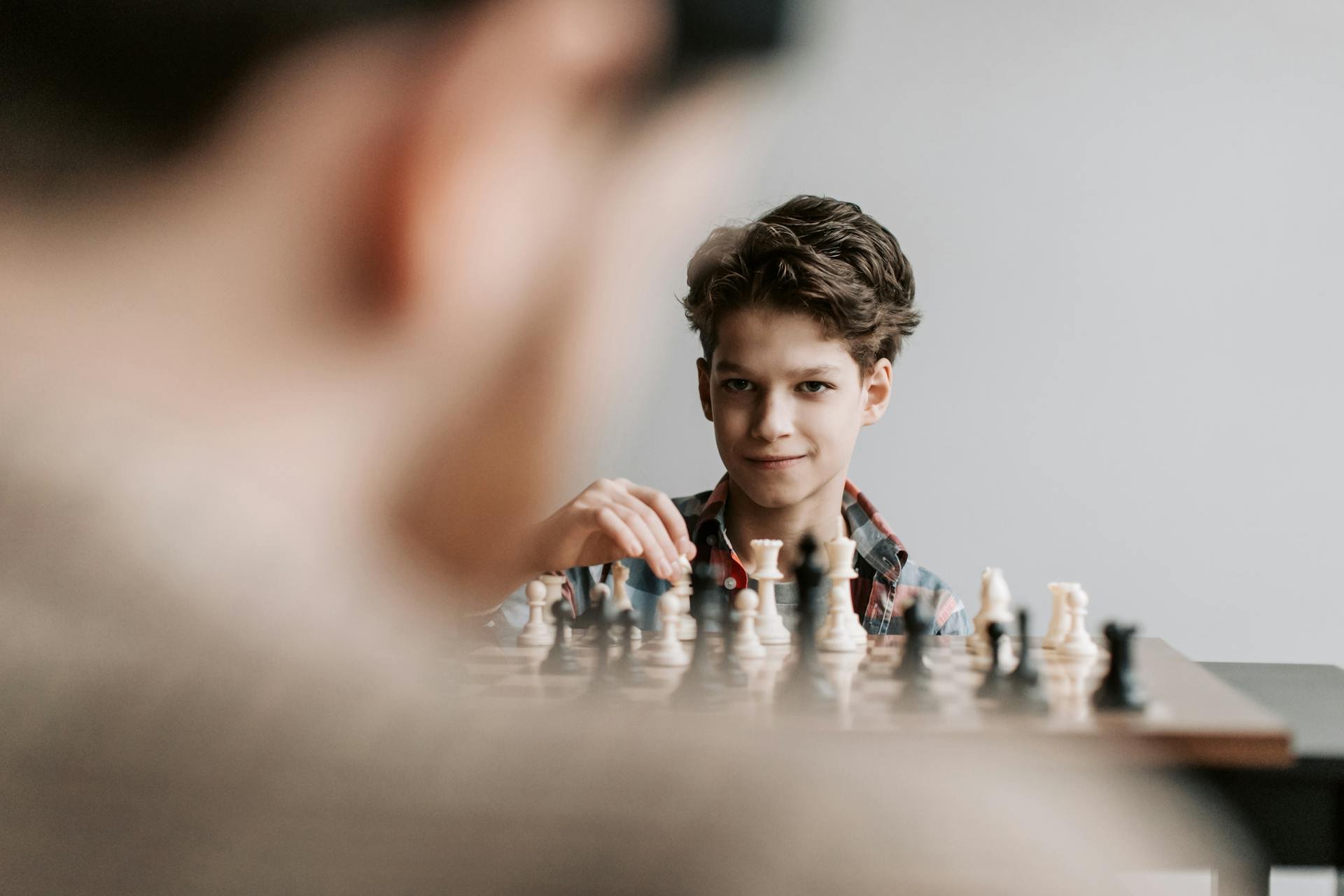
Discover a NYC Chess Summer Camp That Kids Love
Choosing a summer camp in Manhattan can feel tricky. There are so many options, and it is easy for kids to slip into long days of TV and endless scrolling. A chess summer camp gives them something different: a calm place to think, play, and grow while still having fun indoors away from the heat. It turns extra free time into real progress, both on the board and in everyday life.
At an NYC chess summer camp, kids spend their days learning, playing, and building confidence instead of zoning out on screens. The focus is on clear skill-building, structured lessons, and a friendly, brain-boosting setting. This approach is backed by FIDE (International Chess Federation), which reports that over 25 million children worldwide now participate in competitive chess programs to boost their academic and personal development.
A Day in the Life at Chess Summer Camp
Most days start the same way. Campers arrive, check in with staff, and get settled at their boards. We like to open with light warm-up puzzles and simple icebreaker activities. This helps everyone wake up their brain, relax, and get comfortable with the group. Early on, coaches place campers into groups by age and skill so that lessons stay challenging but not overwhelming.
During the main instruction blocks, titled coaches lead interactive lessons on key chess topics. Instead of long lectures, sessions feel active and hands-on. We use real boards, digital boards, and clear game examples so students can see ideas in action. Core subjects often include:
Tactics like forks, pins, and checkmating patterns
Opening basics and how to develop pieces quickly
Middlegame strategy and planning
Endgame ideas so students know how to finish strong
After learning a new idea, campers get guided practice. They might solve themed puzzles, play short training games in a specific opening, or work in pairs to find the best move in a position.
Practice games and friendly tournaments are a big part of a NYC chess summer camp day. Kids and adults get to test what they have learned in real games, then talk through key moments with a coach. Many camps run simple ladders or mini-tournaments during the week, so campers can see their progress over time without heavy pressure.
We also balance brain work with breaks. There is time for snacks or lunch, quick physical games, stretching, or even a short outdoor break when possible. To close the day, we often do cool-down activities, such as:
Group game analysis on a demo board
Team problem-solving challenges
Fun variants like Chess960 or themed puzzle races
This mix keeps energy steady and helps prevent mental burnout.
How Our Coaches Accelerate Summer Improvement
The quality of coaching makes a big difference at any NYC chess summer camp. Titled instructors like National Masters and FIDE Masters bring real tournament experience and a deep understanding of the game. They know what it feels like to sit at the board in a tense moment, and they share that knowledge in a clear, friendly way that works for both kids and adults.
On the first day, coaches usually do a light assessment. This might be a few casual games, a short puzzle sheet, or simple questions about experience. From there, they set clear improvement goals. For example, a beginner might focus on not hanging pieces, while a strong scholastic player might work on time management and endgame technique.
Teaching methods are varied, so learning never feels dull. We rely on:
Game reviews, where students replay critical positions from their own games
One-on-one feedback during or after practice sessions
Annotated examples of classic games to show strong plans
Structured drills that target specific skills, such as checkmating with a rook and king
Our coaches also care about mindset. Camp is a perfect time to talk about sportsmanship, how to handle a tough loss, and how to stay calm when the clock is running low. These lessons help players in tournaments, but they also carry into school, friendships, and other activities.
Skill Levels, Ages, and Group Options That Work
A good NYC chess summer camp is built for a wide range of ages and levels. Many programs welcome early elementary students through teens, and some include special sessions for adults. The goal is to create groups where campers feel comfortable, challenged, and supported, no matter where they start.
Campers are usually grouped by:
Age range, so social dynamics feel natural
Approximate rating or experience, so no one feels lost or bored
Whether a child is in a "Beginner Foundations" track or an "Advanced Strategy Lab," the goal is constant growth. Interestingly, while a gender gap has historically existed in the game, recent data analyzed by Chess.com shows that when girls and boys start at the same age and rating, their growth in skill and retention rates are nearly identical.
Beyond the Board: Social Fun and Manhattan Perks
Chess camp is not only about moves and ratings. It is also a place to make friends and feel part of a community. Team events, partner exercises, and casual free-play time help campers connect with others who enjoy the same kind of thinking games. Popular activities often include bughouse, hand-and-brain, or themed challenge rounds that get the whole room laughing.
Attending camp in Manhattan can feel exciting and grown-up for kids. They get used to a professional learning setting, learn how to speak respectfully with coaches, and practice staying organized with their belongings and schedules. For local families, an NYC chess summer camp can fit naturally into city life, since locations are usually accessible by subway or bus.
To keep camp fresh from week to week, programs may include extras like:
Guest lectures from strong players
Simultaneous exhibitions where one coach plays many students at once
Puzzle contests or themed days that highlight special skills
Safety and convenience are always a priority. Check-in and pick-up are supervised, and movement within the building is monitored. Parents can feel comfortable knowing their children are in a calm, structured, fully supervised environment while they are at work or handling other summer plans.
How to Choose and Enroll in the Right NYC Chess Summer Camp
When you are comparing options, a simple checklist can help. Helpful questions to ask any NYC chess summer camp include:
What are the coaches’ qualifications and tournament backgrounds?
How is a typical day structured, from check-in to pick-up?
What is the maximum group size per coach?
What safety policies and supervision plans are in place?
How is progress measured and shared with families?
Planning ahead matters, since popular weeks can fill up quickly. Many families like to decide their days or weeks before spring break, especially if they want a mix of part-time and full week options. Some campers join for a single week for enrichment, while others attend multiple weeks in a row to aim for bigger rating gains and deeper learning.
It also helps to think about goals. Do you want light enrichment and fun, serious tournament preparation, or a bit of both? A strong NYC chess summer camp can support all of these paths. United States Chess Academy focuses on personalized, engaging instruction with titled coaches, so campers of every level can grow, make friends, and walk away from summer feeling proud of how far their chess has come.
Give Your Child a Smart, Engaging Summer Experience
Secure a spot in our NYC chess summer camp to help your child build real strategic thinking skills while having fun over the break. At United States Chess Academy, we design our programs to challenge students at every level, from curious beginners to ambitious tournament players. Our experienced coaches focus on practical improvement, confidence, and a love of the game. If you have questions about schedules or levels, feel free to contact us.