Maximizing Your Chess Lessons With Simple Strategy Habits In Manhattan
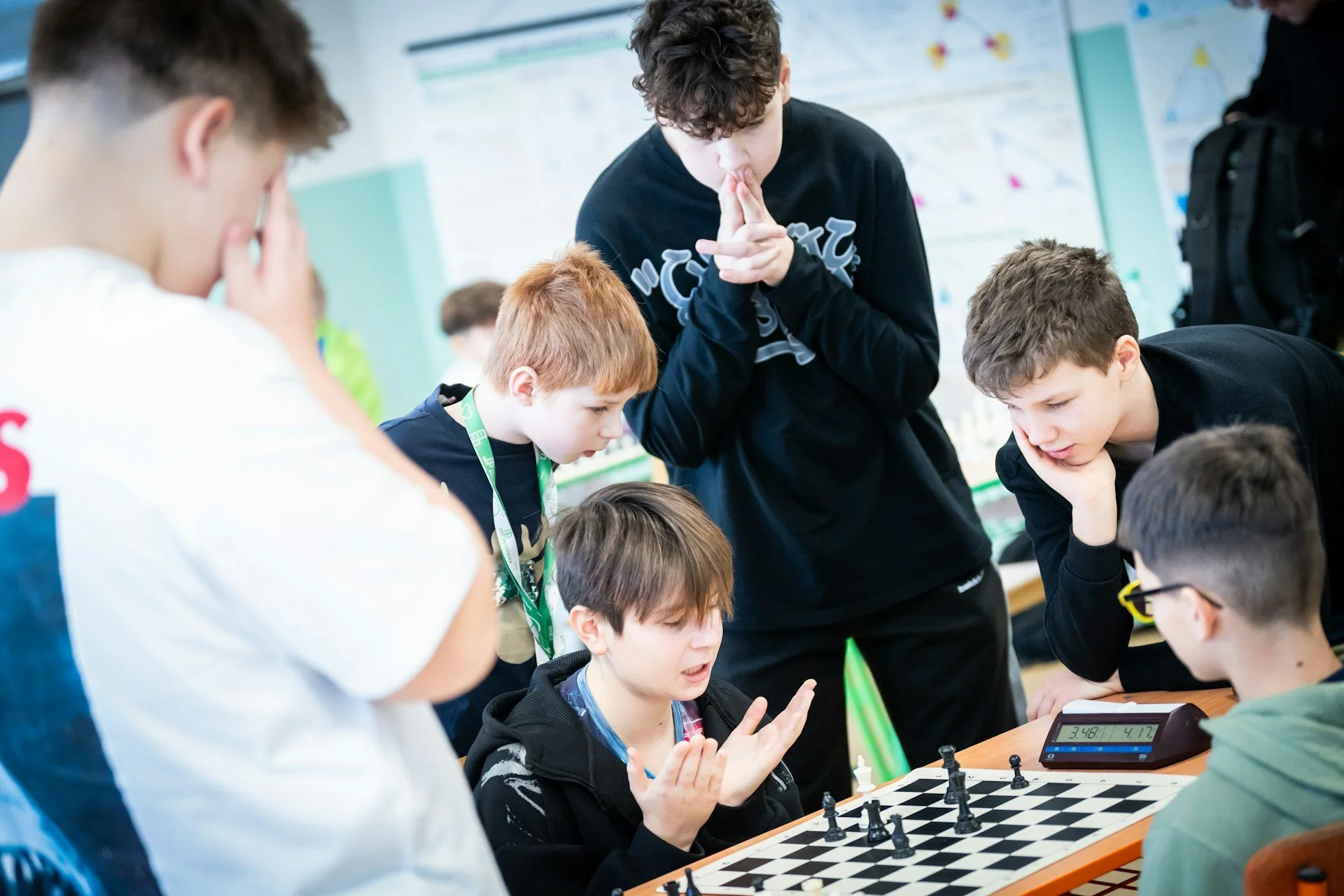
Winter in Manhattan has its quiet charm. The streets calm down a bit, and outdoor plans slow down once the cold settles in. That’s a great time to lean into activities that keep the mind going, like chess. Whether you're just starting or building on what you already know, chess lessons can help kids and adults grow their focus and confidence. But to really get the most from every lesson, it helps to keep a few simple habits in mind. When things outside feel rushed or overwhelming, bringing small patterns of focus into your weekly routine can go a long way.
The good thing about chess is that it’s steady. With a few thoughtful changes to how you practice and learn, your lessons can feel more enjoyable and more natural. That kind of consistency doesn’t just improve your game. It also builds the kind of attention that sticks, even after class ends.
Building a Routine That Supports Learning
We’ve noticed that learning happens more smoothly when it has a shape to follow. That’s why setting up a regular routine really helps, especially during the holiday season when schedules get packed fast.
• Try to pick one or two days a week that work well for you or your child. Having a consistent time on the calendar becomes something to look forward to.
• Creating a calm corner at home, even just a small part of the table, can be enough to revisit ideas from your lesson. Short reviews go a long way when the space feels relaxed.
• Life in Manhattan doesn’t always slow down, but keeping a regular time for practice can offer some quiet in the middle of it all.
Habits give shape to progress. Even during busy weeks, returning to a plan lets your brain settle and focus more easily.
Paying Attention to the Basics
A lot of players want to jump ahead, to stronger moves, smarter checkmates, bigger ideas. That’s natural. But the basics are where good players get strong.
• Knowing how each chess piece moves isn’t just for beginners. Even experienced players can forget the small moves that matter.
• We often remind students that basic strategies are still used in high-level play. Staying close to those ideas keeps your game grounded.
• Asking thoughtful questions during lessons is one of the best ways to grow. Something that seems simple might be the key to a better move the next time you play.
When we focus on simple details, we build something strong. There’s no rush. That quiet understanding is what holds the big strategies up.
Playing With Purpose
Every lesson feels better when it’s part of something. That doesn’t mean turning every game into a tournament. It means stepping in with intent.
• Before each practice, try setting a small goal. Maybe you focus on using a new opening or protecting your king more carefully.
• After the game, take just a minute or two to look back. Start by spotting what went well before trying to fix what didn’t.
• Let the instructor be a steady voice in the background. They’ll spot things you didn’t even realize happened and help you learn without piling on too much at once.
When you give your practice a little shape, it makes each game feel active. You start to notice growth without needing dramatic change.
Staying Focused Through the Noise
It can get loud during winter in New York, even when you’re indoors. Holidays, school breaks, and city life don’t stop just because it’s chilly. That’s where a quiet game like chess can feel surprisingly refreshing.
• Use your time at the board as a way to pause. It doesn’t have to be serious every time, just quiet.
• Make your lesson feel like a break from everything else. Turn down the outside noise and keep phones or screens away while practicing.
• And if your brain feels tired, take a break. Rest doesn’t mean you aren’t learning. Sometimes a short pause helps let things settle in the right way.
Chess works best when you show up ready, not when you push through just to finish. Listening to how you feel makes learning last longer.
Learning One Step at a Time
We all want to see progress. But real growth is quiet, almost invisible, for a while. Then, one day, something small clicks and sticks.
• Winning isn’t the only sign you’re improving. Being able to explain your moves or notice new patterns is part of progress, too.
• Every learner gets stuck. That’s normal. The trick is sticking with something just a little longer than you feel like.
• Trying to fix everything at once makes it harder to improve anything. One habit at a time works better and sticks longer.
The lessons that matter most tend to come slowly. But that pace is exactly what helps learners feel steady and stronger each season.
How Small Habits Make a Big Difference
Good habits often don’t feel big. They don’t change the whole board overnight. But over weeks and months, they make everything more connected and calm.
Structure helps learners stay curious. A regular plan leaves more space for surprises and stronger moves. And when things feel predictable, it’s easier to be creative.
When our students build these kinds of habits, they tend to feel more sure of themselves. Not just because they’ve learned more moves, but because the learning itself feels smoother. When lessons have a rhythm, the growth feels natural. And that’s what helps turn practice into something worth repeating.
Spend your winter in Manhattan developing focus and building smart habits with our chess lessons. We guide each student through clear strategies and personalized routines so real learning happens at every stage. Our teachers at United States Chess Academy help you make steady progress, one move at a time. Ready to make your time more meaningful? Contact us today to plan your first session.