
Setting Chess Goals For A New Year A Fresh Start For Manhattan
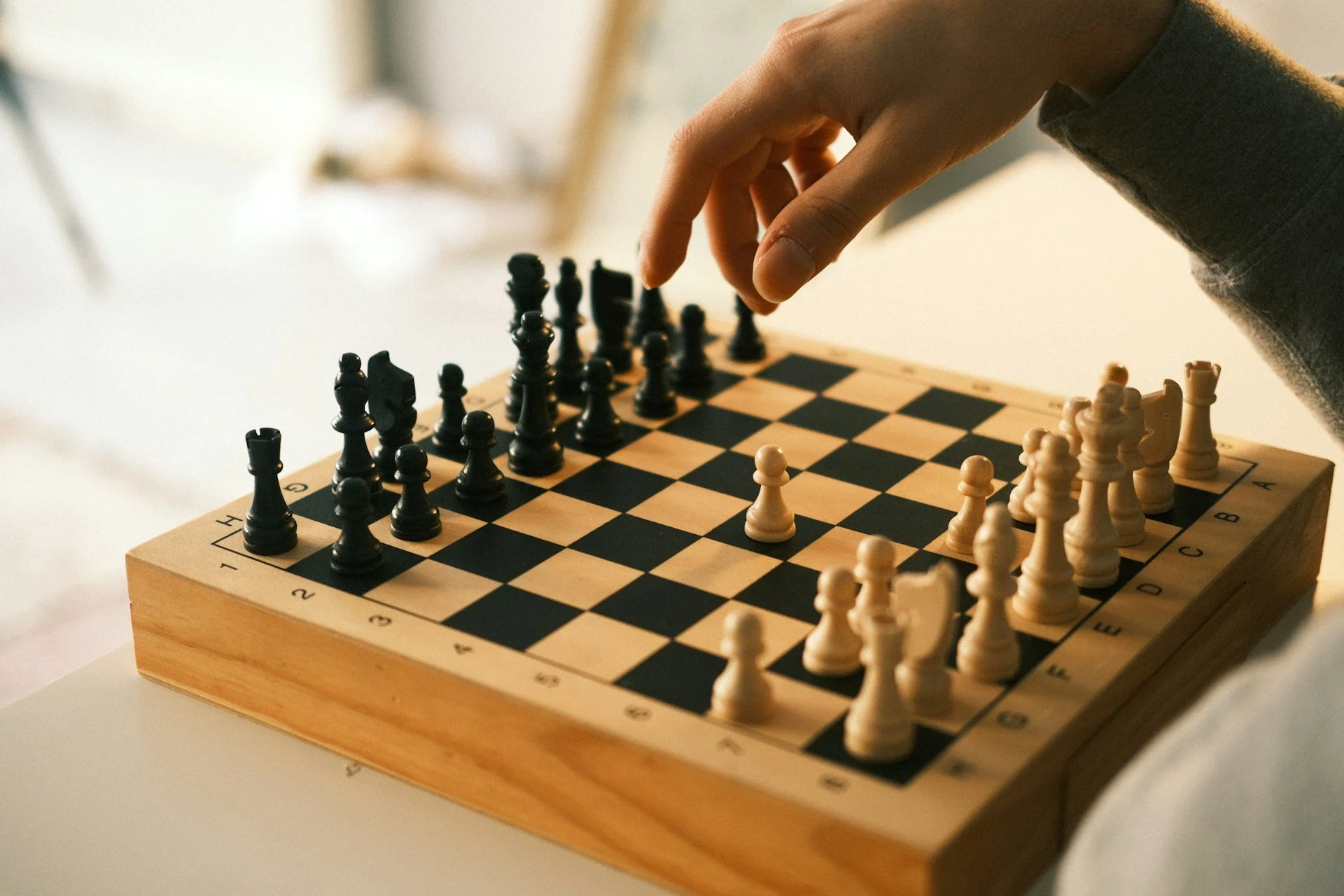
A new year brings a chance to slow down and ask ourselves what we’d like to work on. That could be health, habits, or just spending time on things that make us think a little more deeply. For many, this means returning to a hobby or picking up something new altogether. Winter can give us that extra push, especially in a place like Manhattan where cold days are best spent indoors.
If you’ve ever wanted to get more serious about chess, this season is a perfect time. With so much going on in daily life, it's easy to set hobbies aside. But when we take them seriously, like signing up for chess classes or making time to study, they can turn into something meaningful. Whether you're brand new or you haven’t played in years, setting clear goals helps keep your interest strong and shows you just how much you’ve grown over time.
Reflecting on Your Current Chess Journey
Before setting goals, we find it helpful to look at where things stand now. What do you already know when you sit down to play? Maybe you're comfortable with how each piece moves, or perhaps you're still guessing your way through the first few turns. Understanding where you are helps shape where you want to go.
It’s also worth noticing what parts of the game you enjoy most. Some of us like slow, steady thinking. Others may be drawn to the shape of winning strategies. Maybe you like solving puzzles or remembering patterns. Figuring this out adds a little spark to learning again.
Then there's the question of time. How many days each week do you want to practice? What time of day feels best? Some of us do well with early mornings, others with focused time after dinner. Whether you like learning in small bites or longer weekend sessions, finding your rhythm helps your goals last.
Setting Clear and Fun Chess Goals
Goals work best when they’re simple and realistic. Start with a few small wins so progress feels steady instead of confusing or frustrating.
• Learn how to set up the board from memory
• Complete one new chess puzzle every week
• Watch or play through one full game without rushing
Writing your goals down makes them more real. Stick them near your computer or wherever you play. That way, they're a quiet reminder each time you think about practicing. You don't need to aim high right away. The idea is to build habits that feel doable through the winter and into spring.
Checking off even the smallest goals can be surprisingly satisfying. It builds the kind of focus that pays off later when you’re faced with a tricky middle game or a close finish.
Making Room for Growth This Winter
Winter in Manhattan gives us the perfect excuse to stay in and slow things down. With the coat off, a hot drink nearby, and time on our hands, setting aside space for thoughtful activities feels easier.
As schedules settle into post-holiday routines, creating a weekly chess habit can give your brain a healthy way to recharge. That might look like sitting down for a lesson after dinner, replaying a favorite match, or lining up pieces for practice before bed.
City life runs fast, and sometimes too fast. Taking an hour here or there for chess can bring calm, especially in a place where streets rarely go quiet. Having a steady activity during the colder months reminds us we’re allowed to pause and pay attention to something we enjoy.
The Power of Learning With Others
When we learn alongside others, even a slow game like chess feels more dynamic. Plus, it becomes easier to stay on track. Dealing with tough plays or tricky positions isn’t only about skill. It’s about being open to new ways of thinking.
Being part of a class or study group means we can ask questions without worry. Sometimes hearing how someone else solved a position helps us see the board a little differently. Small mistakes turn into good lessons, and lightbulbs switch on where we were once stuck.
• Group learning brings structure and support
• Notes and feedback help shape stronger habits
• Regular meetings make it easier to stay motivated
Having people learning with you is a reminder that goals don’t have to be reached alone. We can enjoy the game together and improve bit by bit, just by showing up and trying again.
A New Year, A New Mindset
Chess isn’t only about what move to make next. It teaches patience, confidence, and how to think ahead, even when the path seems unclear. With each class or practice session, we start to notice how our thoughts begin to settle and stretch.
The wins might not always come right away, but the thinking process sharpens with time. Sticking to a goal, whether it’s playing once a week or reviewing common positions, can help bring a kind of quiet focus that shows up in other parts of life too.
January is a moment for change. And while the city outside might be hustling forward after the holidays, chess gives us something steady to work on at our own pace.
Keep Your Momentum Going
Once you start getting into rhythm with your chess goals, the trick is to keep going. Not by pushing hard or playing every single day, but by gently coming back to it each week. Little by little, your choices on the board will start to feel stronger and less rushed.
• Show up even on the off days
• Notice what's improving, no matter how small
• Let the habit settle in before expecting big results
Winter in Manhattan can feel long, but that can be its own kind of gift. It gives just enough space to focus on something that matters only to you. With the noise of the holidays fading away and the stillness of cold months ahead, now is a good time to grow something quiet and useful, one move at a time.
Winter in Manhattan is a great time to build steady momentum toward your goals. Creating a weekly habit makes each step feel more rewarding, and with extra time spent indoors, it’s the perfect season to find structured support through our chess classes. At United States Chess Academy, we believe focused goals and consistency lead to meaningful progress. Reach out anytime to start your journey with us.