Preparing Your Child for a First Chess Tournament
From Casual Games to Competition: What Parents Can Expect
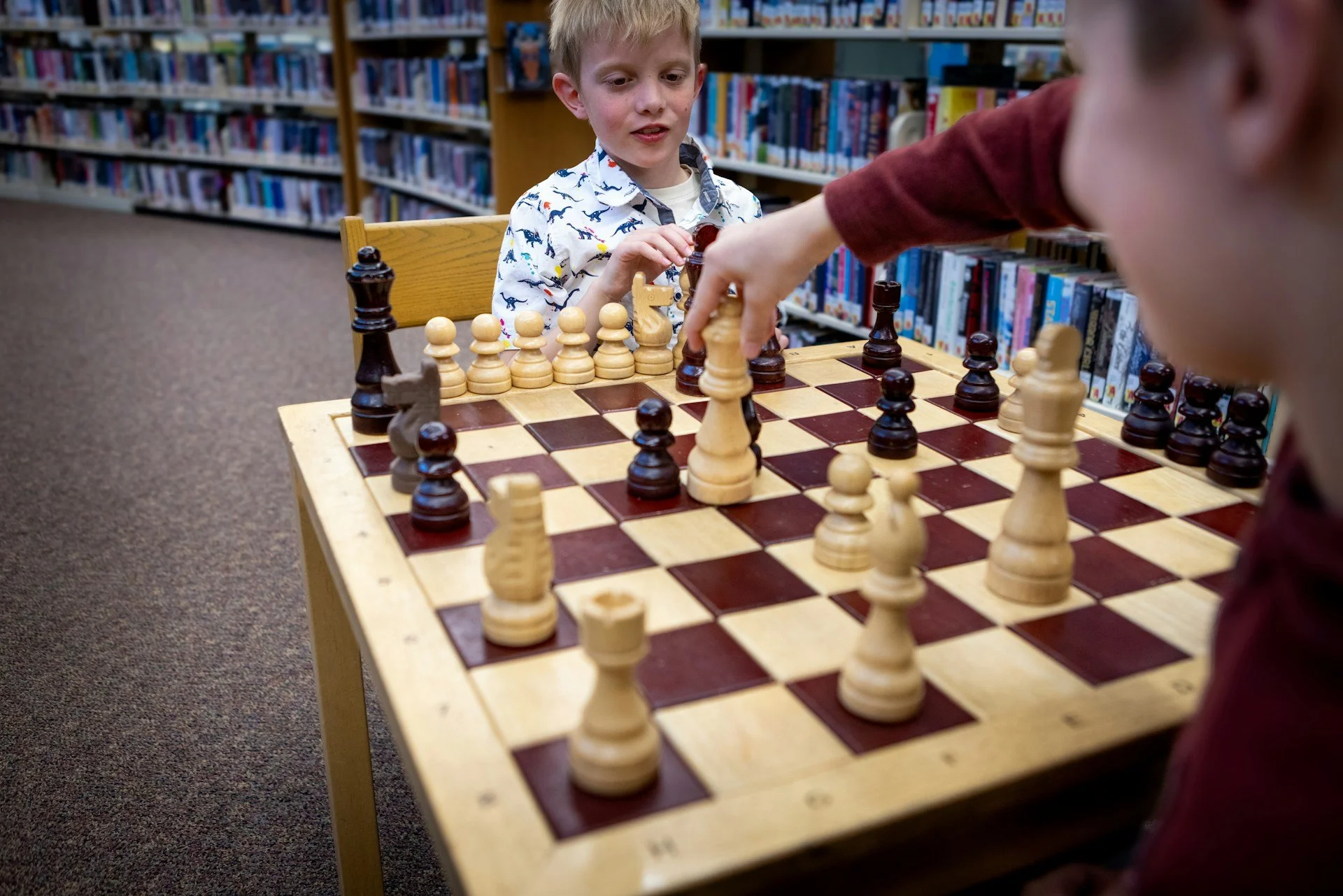
A first chess tournament feels very different from friendly games at home, and knowing what to expect can make the day much smoother for you and your child. Instead of a noisy playground or kitchen table, you enter a quiet playing hall filled with rows of boards, clocks, and focused faces. Rounds are timed, parents usually wait outside, and there is a rhythm to the day that might be completely new to your family.
At a typical scholastic event, there is check-in at the start, then pairings are posted to show who plays whom each round. Children move through several games with breaks in between, and the day usually ends with an awards ceremony. Parents often feel a mix of pride, worry, and confusion about the rules. At United States Chess Academy, we see these feelings all the time, and as a leading chess kids’ academy, we work to guide families through this important first step into organized chess.
Tournament Basics Every Parent Should Understand
Before your child plays their first event, it helps to understand how tournaments are structured. Many youth tournaments are divided into sections, often based on age, grade, or rating. Some are rated, which means results are submitted to a national rating system, and some are unrated, which are more introductory and do not affect an official rating. Most scholastic events use a Swiss system, where players are paired each round with others who have similar scores, not eliminated after a single loss.
Scores are simple. A win is 1 point, a draw is 0.5, and a loss is 0. At the end, awards are given based on total points and sometimes on special categories. Time controls tell you how long each child has to think. For example, a common control might give each player 30 minutes for the entire game. When their clock runs out, they can lose on time, even if the position on the board is good.
Tournament rules and etiquette can feel strict, but they keep things fair and calm. Touch-move means that if your child touches a piece on their turn and that piece has a legal move, they must move it. To offer a draw, they say “draw?” on their turn, then make their move and press the clock. The opponent can say yes, say no, or keep playing. In some events, children are expected to record moves on a scoresheet, which helps with post-game review.
Parents often ask what they are allowed to do during games. In most scholastic events, parents are not allowed to stay in the playing hall after the round begins, and they cannot coach, signal, or interfere if there is a dispute. Instead, children are taught to raise their hand and call the tournament director if they have a question or problem. Knowing these basics helps you support your child without accidentally breaking a rule.
Helping Your Child Prepare at Home and with a Coach
Good preparation does not have to be complicated or intense. A simple plan at home might include a few practice games each week, basic tactics puzzles, and reviewing checkmates like back rank, ladder, and simple king and queen mates. Go over opening principles such as controlling the center, developing pieces, and castling early, rather than asking your child to memorize long lines.
Working with a structured program, like a dedicated chess kids’ academy, can make this process feel less stressful. Group classes, practice tournaments, and mock pairings give children a chance to experience tournament conditions before the big day. At United States Chess Academy, our titled coaches and trainers often run review sessions to help students understand common mistakes and build confidence.
It is also important to set expectations. Before the event, talk with your child about goals that are not only about trophies or rating. You might focus on trying their best in every position, using the clock wisely, or writing moves clearly. Emphasize that strong players lose games too, and that each game is a chance to learn.
Mental preparation matters just as much as opening preparation. Help your child practice simple techniques to handle nerves, like taking deep breaths and sitting calmly before each round. Explain that tournaments can be long, so staying focused over several rounds is part of the challenge. Let them know that whether they win or lose, you care more about their effort, attitude, and sportsmanship than their final score.
Practical Tournament Day Checklist for Parents
Tournament days are smoother when you plan ahead. A few small items can make a big difference in your child’s comfort and focus. Consider packing:
Water bottle and light, healthy snacks
Scoresheets and pens or pencils, if required by the event
Comfortable clothing and a sweater, since playing halls can be chilly
A quiet activity for breaks, like a book or simple puzzle
When you arrive, check in early so your child has time to settle. Show them where pairings will be posted and help them find their board for round one. Between rounds, find a calm waiting area to rest, snack, and reset. Resist the urge to do a deep analysis of each game right away, especially after a tough loss. A quick “Good effort, we will look at it later” helps your child move on to the next round feeling supported.
Common first-time issues include arriving late, not knowing where to look for pairings, or misplacing a jacket or bag. Tournament staff and coaches are used to these problems and can usually help quickly. If your child trains with a chess kids’ academy that runs or supports tournaments, that familiar structure can ease a lot of first-time stress, both for you and your child.
Supporting Confidence, Resilience, and Good Sportsmanship
Your attitude as a parent sets the tone for how your child experiences competition. When you praise effort, curiosity, and persistence, rather than only the result, your child learns that chess is about growth, not just medals. Before and after games, try to keep your language calm and encouraging.
Right after a round, helpful questions sound like:
“How did you feel about that game?”
“What is one thing you think you did well?”
“What is one thing you might try differently next time?”
Questions that focus on blame or specific mistakes, such as “Why did you blunder?” add pressure without helping your child learn. Losses are a natural part of chess, especially in the early stages. Normalize them by explaining that even world-class players lose and review difficult games later with a coach, when emotions have cooled.
Sportsmanship is part of what makes scholastic chess special. Remind your child to shake hands before and after every game, say “good game,” and treat opponents and tournament staff with respect, regardless of results. In our programs at United States Chess Academy, we see that children who focus on respect, learning, and steady effort tend to enjoy chess more and stay with it longer.
Turning a First Tournament Into a Lasting Chess Journey
After the final round and awards, give your child some space to relax, then gently talk about the experience. Ask what they liked most, what felt difficult, and whether they would want to play again. Listen closely, because their answers will guide the next steps. For some children, the highlight is winning games or trophies. For others, it is meeting new friends or feeling proud of finishing every round.
If your child wants to continue, there are many ways to deepen their involvement. Regular group classes, individual lessons, and future tournaments through United States Chess Academy or similar programs all help build skills and confidence. Over time, tournament play can support better focus, stronger problem-solving, and improved emotional control, along with a community of peers who share an interest in chess. With patient support at home and guidance from experienced coaches, that first tournament can become the starting point of a long, rewarding connection with the game.
Help Your Child Build Strategic Skills That Last a Lifetime
Give your young player a structured path to grow with our Chess Kids Academy, where lessons are tailored to their age and experience. At United States Chess Academy, we focus on clear thinking, confidence, and good sportsmanship in every session. If you are unsure which program is the best fit, reach out and contact us so we can recommend the right starting point.