
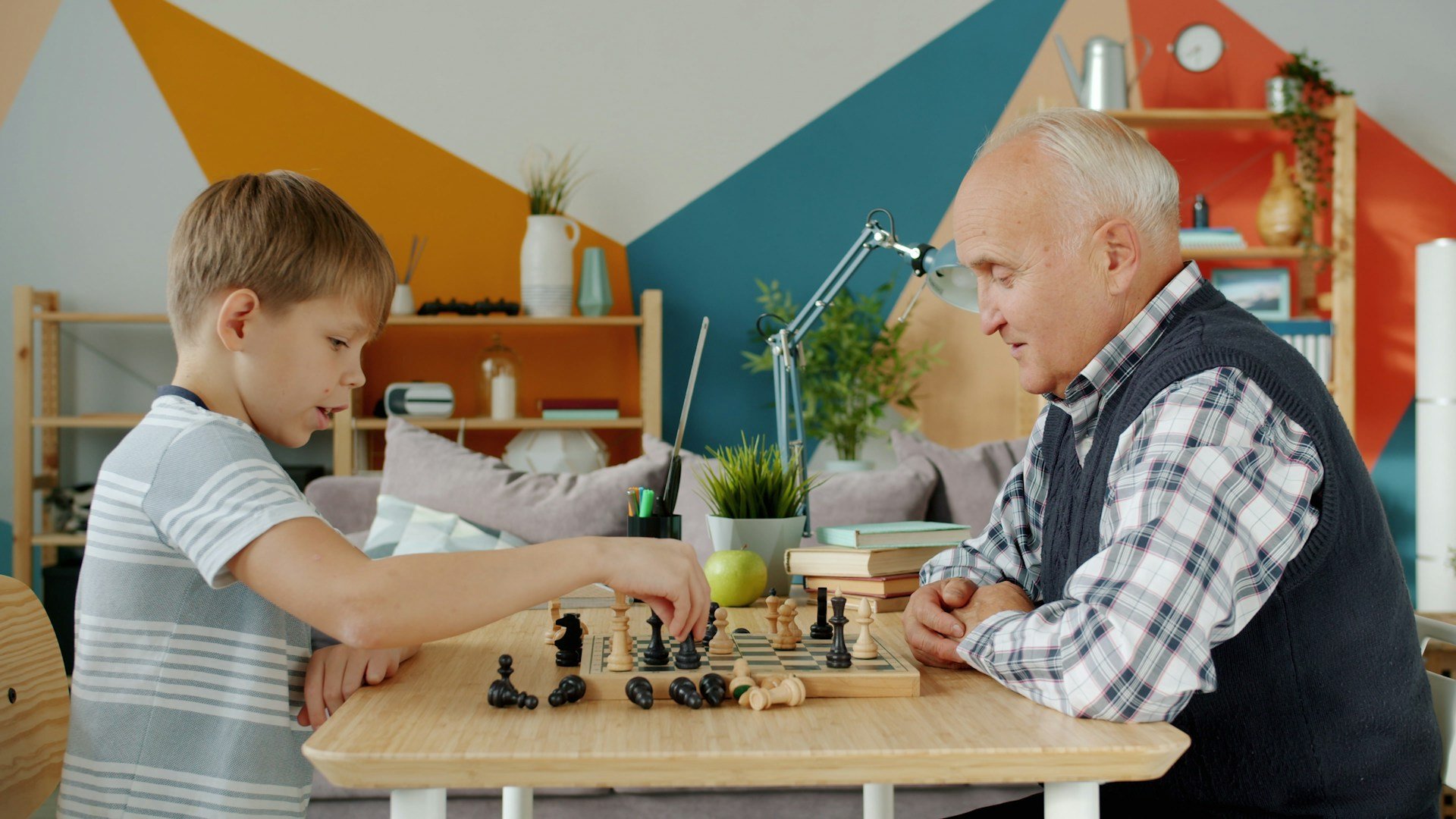
Learning chess takes patience, and sometimes it helps to have someone guide you along. Chess tutoring can make a big difference, especially when you want to improve faster or figure out why certain moves aren't working. Whether you're just beginning or trying to get to that next level, having a tutor by your side gives you someone to learn from, talk things through with, and stay on track.
In a busy city like Manhattan, where things move quickly and schedules can shift in a second, having a calm, focused space to sit down and work through your game matters. It’s not just about learning openings and endgames. It’s about building the kind of skills that help you feel more confident and focused every time you sit at the board. Even for those who feel comfortable playing on their own, a dedicated tutor helps you see the game from a different angle and notice patterns you may have missed before. With extra support, a tutor helps ease any worries and makes the process of learning new techniques much more enjoyable.
Finding the Right Tutor for Your Style
Not every player learns the same way. Some need to talk through each move. Others like to work things out by themselves first. A good tutor notices these things early on and works with you, not against you. That's why choosing someone who understands your style is such a big part of getting better.
Look for someone who doesn’t rush you. If a tutor listens carefully and explains things in a way that makes sense to you, you’re more likely to stick with it.
Pay attention to how the lesson feels. A smart, helpful tutor will create a space that feels relaxed, not stressful, even when solving tricky problems.
It's okay to try a few sessions before making a decision. Sometimes it takes a little time to know if it's the right fit. That’s totally normal, especially if you’re still learning how you like to study.
A great tutor understands learning isn’t a one-size-fits-all journey. Some students enjoy visual learning, seeing every step, while others benefit from talking out loud as they test ideas. Tutors who pay attention can adapt to the student’s natural strengths, making lessons much more comfortable. The best fit is someone who helps you feel at ease, so you don’t worry about making mistakes or asking lots of questions. The right atmosphere encourages open conversations, which help you think more clearly.
If you ever feel nervous about trying something new, or you worry about making errors while practicing, that’s something a tutor can help with right away. The comfort of having someone patient alongside you gives you space to take your time as you learn. Over time, this leads to more steady improvement and a stronger sense of trust in your own abilities.
Making the Most of Lesson Time
Tutoring works best when you show up ready to focus. That doesn’t mean you need to be perfect. It just means coming in with a clear mind and a few goals always helps.
Bring questions, even small ones. Some of our best learning moments come when we ask about a position we got stuck on, or a piece we forgot to defend.
Review old games with your tutor. Looking back at your games helps you understand where things went well and where they went sideways. That’s where a lot of learning happens.
Stay present during your lesson. Even if it’s been a long day or the subway ride over felt endless, giving your attention to one chess game can be the quiet reset your brain needs.
It can help to set aside a few minutes before each lesson to think about what you want to work on. Maybe it's a tough checkmate pattern, or an opening that feels confusing. Even simple questions can turn into meaningful discoveries when you discuss them openly. Working with a tutor lets you pause and dig into tricky spots, instead of rushing through to the next part. Talking through mistakes helps you avoid those same errors the next time you play.
Sometimes, progress feels slow if you’re focused on winning every single match. But you don’t need perfect games to learn something valuable each time. Tutors see things from the outside and can help you spot new ideas in positions you might have missed. Each session is another chance to sharpen your focus and notice more details on the board.
Practicing Between Lessons
You don’t need hours of free time each day to get better at chess. What you need is a little consistency.
Spend 10 to 15 minutes each day with a puzzle, a book, or an app that helps challenge your thinking.
Set up a position that gave you trouble and try to work through it again, this time from a different point of view.
Keep a small notebook of moves that you struggled with or questions to bring to your next tutoring session. Over time, you’ll start to notice patterns, and that reflection builds awareness.
It’s not about cramming for hours but finding small windows in your routine that keep your mind fresh. Maybe you solve a puzzle after breakfast or set up a board before bed. Even just thinking about the game a bit each day builds your memory and focus. The more often you practice, the easier it gets to notice changes in your chess thinking from week to week.
Tutors can also help you set realistic, small goals between sessions. They may suggest working on a single opening or looking for ways to defend against a common threat. Little steps, repeated often, add up quickly to clearer moves and smarter choices.
If you keep notes or jot down ideas between games, you’ll show up to your next lesson ready to ask questions and try out new thoughts. This ongoing preparation builds steady improvement because you’re always thinking about ways to get better, even outside of official lesson time.
Staying Motivated Through Winter in Manhattan
Winter can slow everything down. It gets dark early, it’s cold, and the busy pace of Manhattan can go from exciting to exhausting. Chess tutoring offers a way to stay positive and keep your mind engaged during those months where you might be stuck indoors more than usual.
A regular lesson gives you something to look forward to each week, even if the weather’s rough.
It gives your mind something active and creative to focus on, apart from school or work.
In a city that never really stops, having a quiet, focused activity like chess can help you feel more calm and balanced.
The short, cold days can make it easy to lose momentum with new hobbies. A tutoring session can offer structure and a bright spot in your week, no matter how busy things get. You can head to your lesson as a way to take a break from the rush outside and rebuild your energy with thoughtful play. As you meet with your tutor throughout winter, they’ll help keep your thinking sharp and your spirit up when the city feels most hectic.
Learning chess in winter can also feel like discovering a whole new side to New York. While other activities may pause or move indoors, chess lessons keep your mind active. Tutors may bring out new puzzles or special winter-themed challenges to make things fresh. These small changes help you push through winter’s slow pace and stay interested in learning day after day.
How Stronger Habits Lead to a Stronger Game
The real progress shows up over time. Regular lessons and steady practice build better habits, and better habits lead to better decisions on the board. You start reading the game more clearly. You pause before making risky moves. You trust your thinking more.
What starts off as a weekly lesson grows into something bigger. That sense of control, that steady improvement, even just feeling more confident when shaking hands and starting a match, all of it adds up.
Once spring starts to peek through in Manhattan, that boost of energy syncs well with growing confidence in your game. All the quiet work over winter begins to feel worth it. Stronger habits, small steps, and thoughtful practice move you forward, one move at a time.
Positive chess habits don’t just make you a better player. They help you stay calm when things feel tough, and remind you to pause and think in other parts of life, too. The careful practice you put in now can help you at school, at work, or just making day-to-day choices in a busy city. These habits give a steady rhythm to winter when things outside are always changing.
And when you finally see the signs of spring in Manhattan after those long winter months, your game often reflects all the hidden work you did during the colder days. The patterns you learned, the extra effort to stay consistent, and the new ways of thinking make a real difference, even as the season changes.
Keeping your game on track this season is easier with consistent guidance and a supportive place to learn and improve. Our in-person sessions in Manhattan give you the chance to practice at your own pace, ask questions, and build skills with no pressure. Whether you’re just starting out or looking to refine your strategy, we offer flexible solutions that fit your needs. See more about our chess tutoring in New York, NY, and connect with United States Chess Academy to take your next step.