Tournament Chess Training in NYC: From Class Tactics to Real Games
Building Real Tournament Confidence Through Blitz
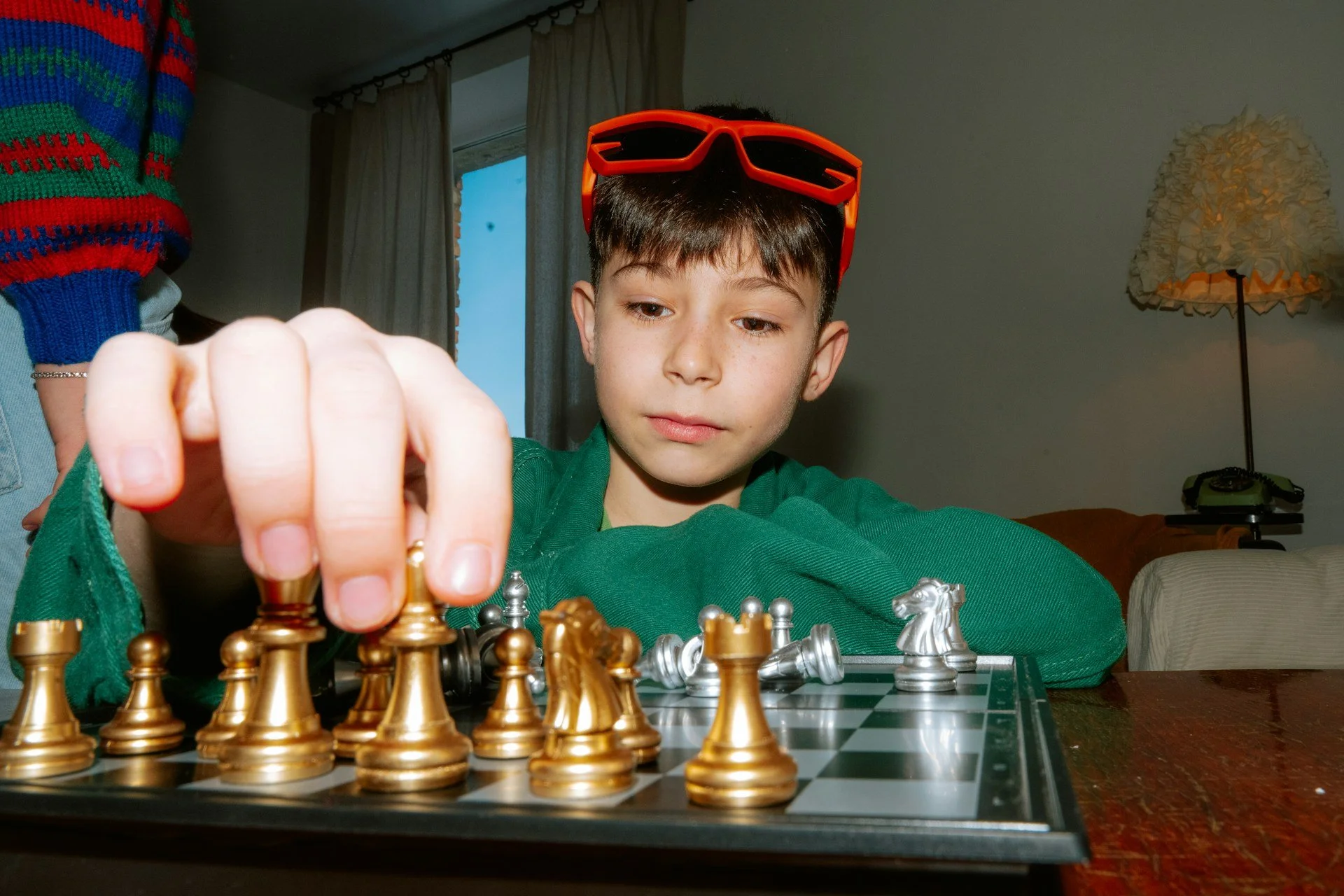
Kids in our classes love blitz chess. Parents see it all the time, kids crowding around boards after lessons, playing fast games, laughing, asking for rematches, and jumping into friendly ladders. It can look like pure fun, and it is fun, but it is also one of our key tools for real tournament preparation.
Blitz chess is simple to understand. Each player gets only a few minutes on the clock for the whole game. The moves come quickly, there is no time to overthink, and kids can play many games in a short lesson. This is very close to what they feel in scholastic events with clocks, especially in faster sections.
In this article, we will share how blitz builds confidence for longer tournaments, how our coaches structure it in class, and how events like our blitz chess tournament in Manhattan give kids a safe, structured way to test their skills under real pressure.
Why Blitz Chess Helps Kids Stay Calm Under Pressure
Tournament nerves are normal. Kids often feel time pressure, worry about blunders, and sometimes freeze when a position gets difficult. Blitz training simulates these emotional spikes in short, repeatable cycles.
According to the FIDE Laws of Chess, blitz is defined by games where all moves must be completed in 10 minutes or less. Mastering this format gives our students:
Frequent practice with time pressure without high stakes
Many chances to recover from a mistake in the same session
Quick coach feedback on mindset, not just on which move was best
When a child blunders in a blitz game, they feel that same drop in their stomach they feel in a rated round. The difference is that the game ends in a few minutes, they shake hands, sit down for the next blitz game, and they try again. Our coaches guide students to:
“Reset” after a loss, instead of replaying the mistake for the rest of the day
Focus on what they can control, like calm breathing and simple checks for safety
Treat each game as information for their next event, not a final grade
Over time, parents start to notice real changes. Kids stop panicking when the clock gets low. They accept losses faster. They start saying things like, “That game was rough, but I learned something,” which is exactly the attitude that helps them in longer rated tournaments.
How Our Coaches Use Blitz in Weekly Classes
We do not just throw kids into random blitz and hope they learn something. Each blitz segment in our weekly classes fits into a clear lesson plan and connects directly to what they are working on that day.
A typical class often looks like this:
Short lesson on a clear theme, like piece activity, tactics, or king safety
Slow practice, maybe a few focused positions or longer training games
Guided blitz games where kids must apply that theme at game speed
Effective time management is a skill that translates directly to longer scholastic events. For tips on how to balance speed and accuracy, families can explore Chess.com’s Guide to Time Management, which mirrors many of the drills we use in class.
During guided blitz, students are not just told, “Play fast.” They get missions such as:
“Activate all your pieces before you attack”
“Play the same opening every game and focus on getting a safe king”
“Stay under one minute on the clock, but do not hang your queen”
In both online and in-person groups, kids then look at key blitz moments together with the coach. On a demo board or shared screen, we pause and ask simple questions: Where did the time trouble start? Which move ignored king safety? How could we play faster without getting reckless?
Coaches praise good habits much more than flashy tricks:
Solid development
Early castling
Simple tactics spotted quickly
Safe, clear decisions in time trouble
This keeps blitz from becoming wild and random. Instead, it becomes “game speed practice” for the skills kids need in longer tournaments.
From Classroom Blitz to Manhattan Tournament Bravery
Blitz in class is powerful, but kids gain a new level of confidence when they play in real events with new opponents and official rules. Our blitz chess tournament in Manhattan is designed as a bridge between practice and full tournament play.
We like to think of a simple pathway for many students:
Classroom blitz segments
In-class mini matches with clocks and simple pairings
Internal academy tournaments with clear rules and round structure
Local rated events with longer time controls
Larger city tournaments in busy playing halls
Each step feels a little more “real,” but also more familiar, because the basic skills are the same: using a clock, respecting touch-move rules, sitting quietly, and shaking hands before and after the game.
At a blitz chess tournament in Manhattan, parents can expect:
A supervised, structured setting where rules are explained clearly
Coaches present to help with nerves and quick post-game review
Chances for kids to face new opponents while still seeing familiar classmates and instructors
Because kids have already used clocks and played guided blitz in class, the event feels less scary. It feels like the next logical step in something they already know how to do.
Helping Your Child Prepare for Their First Blitz Event
Parents often ask how they can support what we are doing in lessons without turning chess into extra homework. Simple, short routines work best and match what kids practice with us.
Helpful at-home ideas include:
Short blitz games at a real board, even just 5 or 10 minutes per side
Games on approved online platforms, with an adult nearby for younger kids
One or two quick reflection questions, like “What surprised you in that game?” or “Where did you start to rush?”
Reviewing one key idea from class, such as “check for hanging pieces before each move”
Emotional prep matters just as much as chess prep. Parents can:
Normalize nerves, saying it is okay to feel a little shaky before a round
Praise effort and focus, not just wins
Repeat language kids hear from coaches, like “Find your best move in the time you have” instead of “Never blunder”
When a child has been doing regular blitz in class, plus short, low-pressure practice at home, signing up for a scholastic blitz event feels natural. For many families, the next step is a scholastic or blitz-focused event on the academy calendar, including the next blitz chess tournament in Manhattan. It becomes part of a clear, shared plan, not a one-time test.
Join Us for the Next Step in Your Child’s Chess Growth
Blitz chess, used well, turns fast games into real tournament confidence. Kids learn to handle the clock, bounce back from mistakes, and trust their thinking, even when they feel pressure. With guided class work, thoughtful home support, and a clear path into local events, those quick games after the lesson time become a powerful tool for growth.
United States Chess Academy is here as a partner in that process. Families can speak with their child’s coach about which tournaments are a good fit, how blitz training in class connects to upcoming scholastic events, and what kind of group lessons or private coaching will best support their goals as they progress from casual blitz to formal tournaments in Manhattan and beyond.
Join Our Next High-Energy Manhattan Blitz Challenge
Ready to test your speed, strategy, and focus against serious competitors in the heart of the city? At United States Chess Academy, we host a recurring blitz chess tournament in Manhattan designed for players who thrive under the clock. Reserve your spot now so you can sharpen your skills, meet strong opponents, and experience a tournament atmosphere that pushes you to improve. If you have questions about formats, schedules, or ratings, simply contact us and we will help you get ready.