Why Weekend Chess Tournaments in Manhattan Accelerate Improvement
Turn Your Weekends Into a Chess Training Accelerator
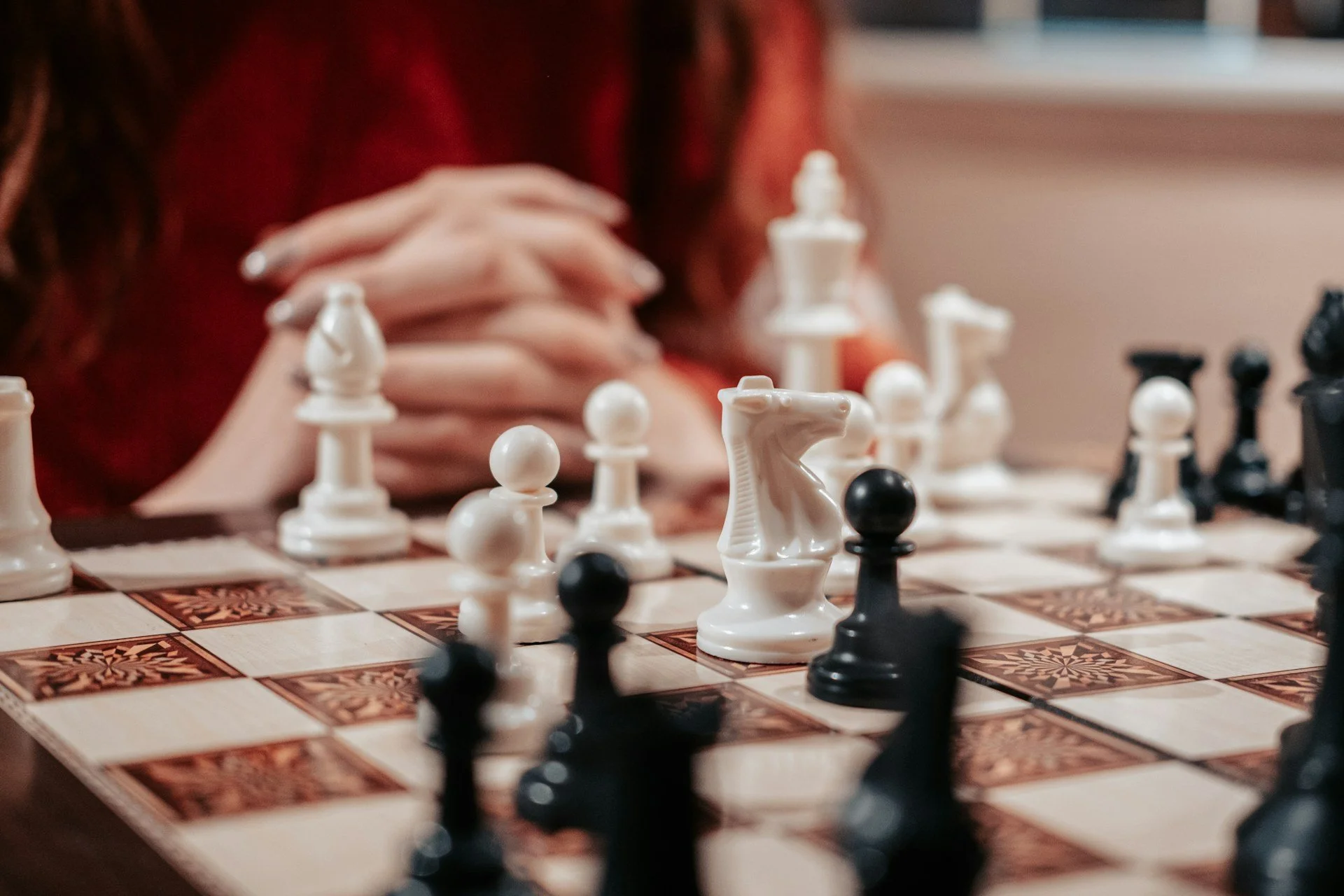
Weekend chess tournaments in Manhattan can feel like stepping into a different world. The sidewalks are busy, the subway is full, and then you walk into a quiet playing hall where clocks are ticking and score sheets are ready. For a few hours, all that matters is the position in front of you and the choices you make.
That is why serious players, both kids and adults, keep coming back. A single weekend event can compress weeks of learning into one or two days of focused, competitive play. When you combine regular tournaments with steady training at home or with a coach, improvement comes faster. In this article, we will share how weekend tournaments sharpen calculation, strengthen nerves, improve openings, and keep your training routine on track.
Why Real Games Beat Online Puzzles for Skill Growth
Online puzzles and quick games are fun, and they do help with pattern recognition. But they are only one piece of the chess puzzle. Rated over-the-board games at weekend tournaments feel very different.
Here is why real tournament games push growth in a stronger way:
Longer time controls mean you must think deeply, not just play your first idea
Scorekeeping forces you to stay focused and makes later analysis possible
Real rating stakes make every move feel important
In a tournament, you have to apply what you learned about openings, tactics, and endgames under pressure. You cannot click for hints, you cannot ask an engine for help, and there are no instant rematches to fix a mistake. This stress is not a bad thing. It is what makes the lessons stick.
You also learn to handle:
Nerves at the start of the round
Time trouble in tense positions
The disappointment of a loss and the focus to play the next game anyway
Unlike online games, the Official US Chess Rules for touch-move and notation force a level of discipline that builds lasting habits. This stress isn't a bad thing; it’s what makes the lessons stick.
How Weekend Chess Tournaments in Manhattan Build Strong Habits
Weekend chess tournaments in Manhattan run throughout the year, which makes them perfect for forming strong habits. You get a clear rhythm: train during the week, then test yourself on Saturday or Sunday.
That regular schedule naturally builds good chess behavior:
Preparing a simple opening plan before each event
Reviewing your games during the week with a coach or training partner
Setting small goals like better time management or staying focused every move
When you know you have a tournament coming, your practice has a clear purpose. Studying is no longer random. You are not just scrolling for fun puzzles. Instead, you are thinking, “I want to fix how I play this opening before next weekend.”
Over time, this loop repeats:
Play serious games on the weekend
Look at what went wrong and what went well
Train on those exact areas during the week
That cycle is one of the fastest ways to move from casual player to true competitor.
Learning From Stronger Opponents and Expert Coaches
Manhattan events attract a wide range of players. You can sit down across from a new beginner in one round, then face a strong scholastic player, an experienced adult, or even a titled player in another. That mix is a huge advantage.
When you only play people at your own level online, your weaknesses can stay hidden. Stronger opponents expose them right away. For example:
Opening gaps show up when you are out of book on move five
Time trouble appears when a sharp player punishes slow decisions
Endgame issues appear when a simple winning position slips into a draw
This feedback is direct and honest. The board never lies.
Structured training makes that feedback even more powerful. At United States Chess Academy, our students can bring their weekend games to our titled coaches. Together, they look at critical moments, missed tactics, and long think-time decisions. From there, we help build targeted plans, like adding a new line to an opening, drilling a key endgame, or learning better time management. The tournament gives the raw experience, and the training turns that experience into progress.
Manhattan Tournaments as a Gateway to Bigger Goals
Local weekend tournaments are not just stand-alone events. They are stepping stones to larger goals. When you play regularly, your rating becomes more accurate and starts to climb. You can track your progress and tournament history through the US Chess Federation’s member search.
Regular events in Manhattan help you:
Gain USCF rating points through steady, repeated competition
Prepare for state and national championships
Build the confidence to enter stronger sections and bigger tournaments
Spring events are especially useful. Many players use them as tune-ups before summer chess camps and larger tournaments. By playing a few weekends in a row, you sharpen your skills so you can get more value out of any intensive training you do later in the year.
As your comfort level grows, you can set clearer goals, like reaching a new rating milestone or moving up from one section to the next. Each weekend event becomes part of a bigger path instead of a random one-time activity.
Why Families and Adult Learners Love the Weekend Format
Weekend tournaments are not only good for improvement, they also fit real life. For families, it is easier to plan around one or two full days than random weekday evenings. Many events are near subway lines, which makes travel within Manhattan straightforward.
Parents often like that:
The schedule is predictable, with clear start and end times
Children get to meet peers from many different schools
The environment is structured, quiet, and safe
Adult players with busy jobs also benefit. They can study openings, tactics, and classic games during the week, then test everything in one focused stretch on the weekend. It feels satisfying to put all that work into practice instead of just clicking through more online games.
The social part matters too. Regular weekend events create a community. You start to recognize familiar faces, friendly rivals, and coaches. You share post-game analysis, quick laughs in the hallway, and stories from tough games. For many people, it becomes a favorite way to spend part of their weekend in the heart of New York City.
Start Your Tournament Routine with United States Chess Academy
When you put it all together, the pattern is clear. Weekend chess tournaments in Manhattan give you real games, strong opponents, a regular schedule, and a friendly community. Pair that with structured coaching, and you get one of the fastest and most reliable paths from casual play to confident, competitive chess.
At United States Chess Academy, based in New York City, we see how powerful this combination is for both kids and adults. Our titled coaches help students prepare for local events, review their games, and set clear goals for ratings and skills. If you are reading this in mid-March, it is a great time to pick an upcoming weekend tournament, choose a specific goal for your next few events, and build a training plan that turns each Manhattan weekend into a true chess accelerator.
Join a Competitive Weekend Tournament and Sharpen Your Skills
If you are ready to put your training into practice, explore our weekend chess tournaments in Manhattan and find the perfect event for your level. At United States Chess Academy, we create a structured, welcoming environment where players can test themselves against serious competition. Whether you are a rising scholastic player or an ambitious adult, we will help you choose the right section and prepare for your next step in chess. Have questions about registering or formats, pairings, or ratings, just contact us and we will guide you through every detail.