Tournament Habits We Build in Chess Classes Manhattan Families Love
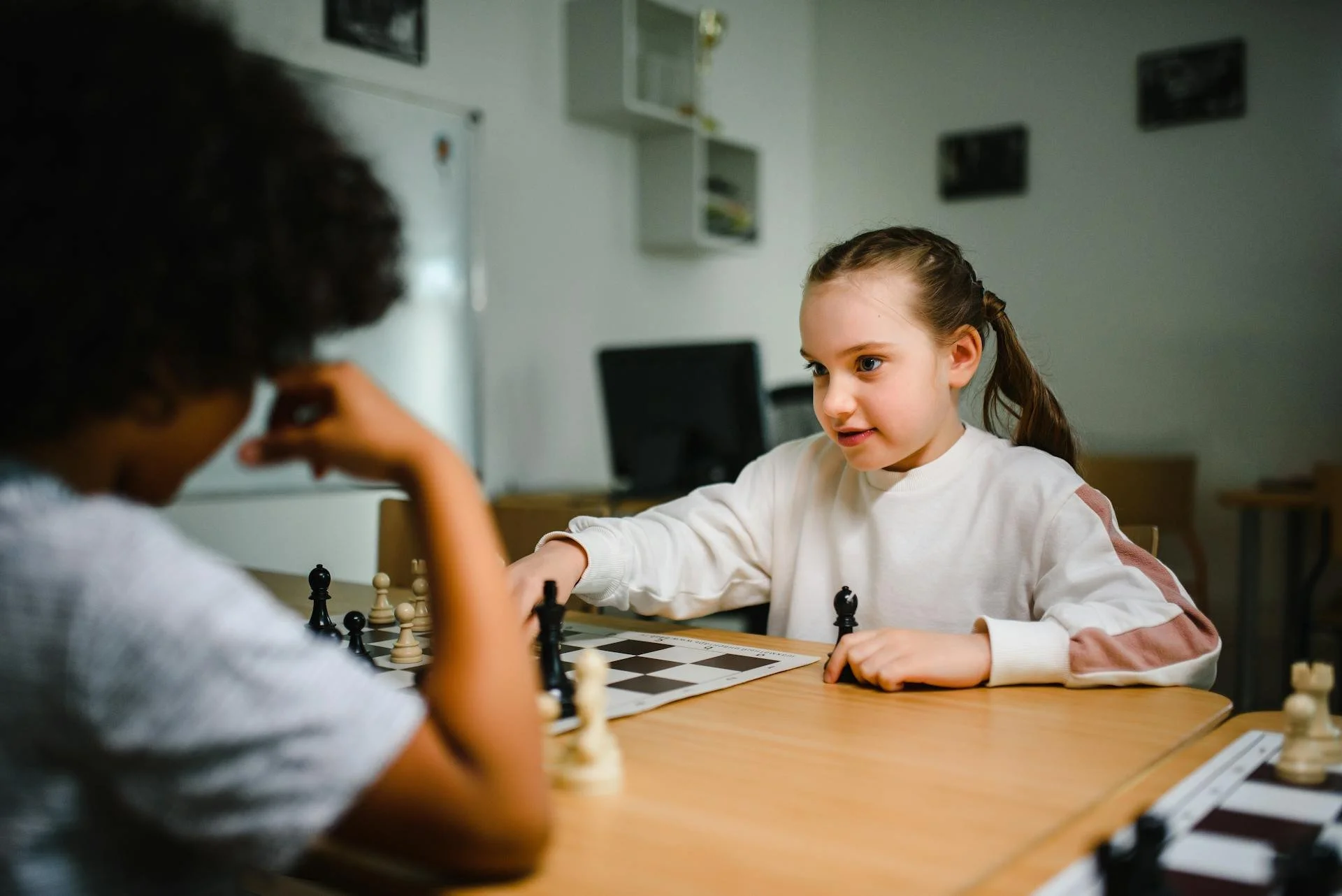
The Tournament-Ready Habits Behind Rapid Progress
Strong tournament results rarely come from talent alone. They come from habits, the small things a player does before, during, and after every game, whether it is a local scholastic event in Manhattan or a big national championship.
At our chess classes in Manhattan, spring often means families planning weekends around events like Hunter tournaments, local school invitationals, and bigger trips out of the city. We shape our lessons to match that rhythm. We focus not just on new openings or tricky tactics, but on building repeatable tournament habits that help players stay calm, think clearly, and actually enjoy the pressure.
These tournament habits matter for kids and adults. They help players handle nerves, bounce back from losses, and turn every event into real progress. Right now, many families in our programs are seeing these habits show up during practice games, at home, and on the way to their next tournament. Here is what is happening behind the scenes in our classes, and how it connects to those weekend results.
Building Pre-Game Routines That Calm Nerves
Before the first move is played, we want our students to feel settled, not stressed. That starts with a simple pre-game routine they can repeat at any event, from a small in-house practice tournament to a large scholastic tournament in Manhattan.
In class, we help students build routines such as:
Reviewing their main opening ideas for each color
Doing a short tactics warm-up, sometimes just two or three puzzles
Checking basic equipment like scoresheet, pencil, and clock settings
We also spend time on mindset. Many players feel shaky before the first round, so we practice:
A few slow breaths before sitting down to play
A small “first game” ritual, like quietly reviewing one key rule, for example “no quick moves”
Positive self-talk, such as “I will think, I will fight, and I will learn”
For official tournament rules and etiquette expectations, families can review the US Chess player resources.
Families often notice this at home. Kids start packing their own bags the night before, checking that their scoresheets and snacks are ready, and talking through their pre-game checklist in the car or subway on the way to a Hunter event or a local Manhattan tournament. Those small habits reduce stress and give players something they can control, even when the opponent or the pairings feel unpredictable.
Thinking in Structures, Not Just Moves
Good tournament players do not just remember moves, they understand structures. In our classes, we talk a lot about patterns that show up again and again so students can adapt when their opponent surprises them.
We focus on things like:
Common pawn structures and what plans fit each one
Typical piece placements in open, semi-open, and closed positions
Standard attacking patterns against a castled king
Players who want to explore structured chess improvement further can also review general learning resources from the US Chess.
During practice games, we ask students to verbalize their plans before they move. A player might say, “My plan is to put my rooks on open files and push my queenside pawns,” then choose a move that fits that plan. This habit cuts down on random moves that look active but do not actually help.
At tournaments, this shows up in big ways. Players who think in structures:
Handle unfamiliar openings without panicking
Make stronger decisions when the clock is ticking down
Blunder less in equal positions, because their plan guides their calculation
This type of thinking is just as important in our in-person lessons as it is in our online work, since most serious events still happen over the board with a real clock and a real scoresheet.
Training Tournament Time Management Every Week
Time pressure is one of the main reasons good positions get spoiled. That is why we treat clock management as a skill, not an afterthought.
In our chess classes in Manhattan, we use clocks often, even for casual games. Students learn to:
Use the opponent’s time to think and update their plans
Avoid instant impulse moves, especially after a surprise
Spread their time across opening, middlegame, and endgame instead of spending it all early
We design drills that copy real tournament pressure:
Short “intuition” exercises, where students must choose a move in a few seconds from a critical position
Longer “tournament simulation” games with the same time controls they see at local events
Because of this, when students walk into a busy scholastic tournament or a national event, the pace of the games feels familiar. They already know how long a typical game lasts, when to slow down, and when to trust their training. Those habits are also built into our structured online lessons, so even distance learners can practice under realistic conditions.
Reviewing Games the Way Top Players Do
Tournament habits do not end when the game is over. One of the strongest habits we teach is to review games quickly and honestly.
We encourage kids and adults to bring both over-the-board scoresheets and online games to class. Together with coaches, they go through:
Key turning points, like the first moment the evaluation changed
Missed tactics for both sides
Alternative plans that would have fit the position better
As students improve, we show them how to lightly annotate their own games. They might write short notes like “rushed here,” “missed backwards move,” or “good decision to trade queens.” This turns every game into a personal study tool instead of a random result.
Around big weekends on the calendar, such as large open tournaments or important local Manhattan events, we often put extra time into game review. Students begin to see patterns in their own play, like repeated time trouble, weak endgames, or risky opening choices. That awareness becomes a powerful guide for targeted training before the next event.
Practicing Sportsmanship and Emotional Resilience
Tournament skills are not just about moves on the board. Behavior matters too, for both results and character.
In class, we rehearse what directors expect at scholastic and adult events:
Quiet focus and respect for other games in the room
Clear, neat notation so games can be reviewed
A handshake at the start and end of each game
Calm and polite ways to handle disputes, like a touch-move issue
We also coach emotional habits. Losses can sting, and big wins can make players overconfident. So we work on:
How to handle a tough loss without melting down
How to avoid bragging after a quick win
How to reset between rounds so that one result does not shape the whole day
How to cheer on teammates without distracting them
Families often tell us they see the same habits off the board. Kids start to handle school setbacks in a more mature way, show better sportsmanship in other activities, and treat challenges as chances to learn. For us, that is one of the best signs that our tournament training is doing its job.
How Families Can Reinforce These Habits at Home
The players who grow the fastest usually have support at home for these small routines. Parents and caregivers do not need to be strong players to help. Simple things make a big difference, such as:
Setting up a quiet space for practice games and homework
Encouraging kids to keep a game journal where they note key lessons
Helping them follow the same pre-game checklist before each tournament
It also helps to line up family calendars with current events and prep programs. When families know which weekends are tournament days and which weeks focus on tournament prep, it becomes easier to see the link between weekly lessons, newsletter themes, and actual games.
We see again and again that the most successful students in our chess classes in Manhattan are the ones whose families carry these habits into everyday life. They treat tournaments not as one-time events, but as natural extensions of what they practice all week, whether they study through new class enrollments, ongoing training, or special prep cycles at United States Chess Academy.
Build Strategic Confidence With Expert Chess Coaching
If you are ready to help your child think more clearly, plan ahead, and compete with confidence, our chess classes in Manhattan provide structured, in-person training tailored to their level. At United States Chess Academy, we focus on practical skills that translate from the board to school and everyday life. Tell us about your goals and schedule, and we will recommend the best class placement. If you have questions or need guidance choosing a program, please contact us.