4-Week Post-Camp Tournament Prep Plan in Manhattan for USCF Events
Post-Camp Tournament Prep Plan in Manhattan
Right after camp ends, many families in Manhattan and nearby boroughs ask the same question: what now? Kids are excited, their chess skills just jumped, and then school, sports, and homework start to crowd in. Without a clear plan, that camp momentum can fade before the first real event.
This is where a simple 4-week bridge makes a huge difference. With a short, focused plan, you can turn summer learning into real confidence at chess tournaments in Manhattan. We will walk through a week‑by‑week schedule, talk about first‑tournament goals and rating expectations, and give clear tips on how to choose the right USCF section, all in a way that lines up with what we do in our classes and events.
Week 1 Reset After Camp: Skills, Habits, and Goals
The first week after camp is about resetting, not rushing. Kids go from all‑day chess to school mode, so the goal is to build a routine that fits into real life.
A simple Week 1 routine might look like this:
5, 10 minutes of tactics most days
1 or 2 longer sessions of 30, 45 minutes for practice games or lessons
1 block of 20, 30 minutes to review games from camp or recent practice
We like to have students start a single “Post‑Camp Chess Notebook” or digital file. In that notebook, they can keep:
Favorite openings from camp, with simple plans, not long theory lines
Tactical themes that came up often, like forks, pins, and basic mates
A short list of key endgames they recognize, like king and pawn vs king
This notebook becomes the bridge between summer and the tournament season. Parents can sit with their child and set first‑tournament goals that are about habits, not results. For example:
Use touch‑move correctly every game
Write moves neatly on the scoresheet
Stay calm when down material and keep trying
Shake hands before and after every game
For official rules like touch-move and tournament etiquette, families can review the US Chess Federation’s player resources.
During this week, our coaches focus on the same basics in both in‑person lessons and online: clear notation, basic etiquette, simple endgames, and playing slower games without distractions. When home plans match class time, kids feel like everything fits together.
Weeks 2, 3 Training Plan: From Camp Games to USCF Ready
Weeks 2 and 3 are where we move from “I learned a lot at camp” to “I am ready to sit at a USCF board.” The schedule does not need to be heavy; it just needs to be steady.
Here is a simple weekly structure that works well for many families:
1 longer “class‑style” session: a slow game of 45, 60 minutes, then 15, 20 minutes of analysis
2 short tactics sessions: 10, 20 minutes each, focusing on accuracy over speed
1 opening/endgame review session, 20, 30 minutes, tied to what coaches are covering
Real games are the best study tool. Take scores from camp or current practice games and go through them slowly. Ask questions we use in class, such as:
Where was my first real mistake?
Did I finish development before starting an attack?
Where did I rush and move too fast?
Did I miss a simple tactic or blunder a piece?
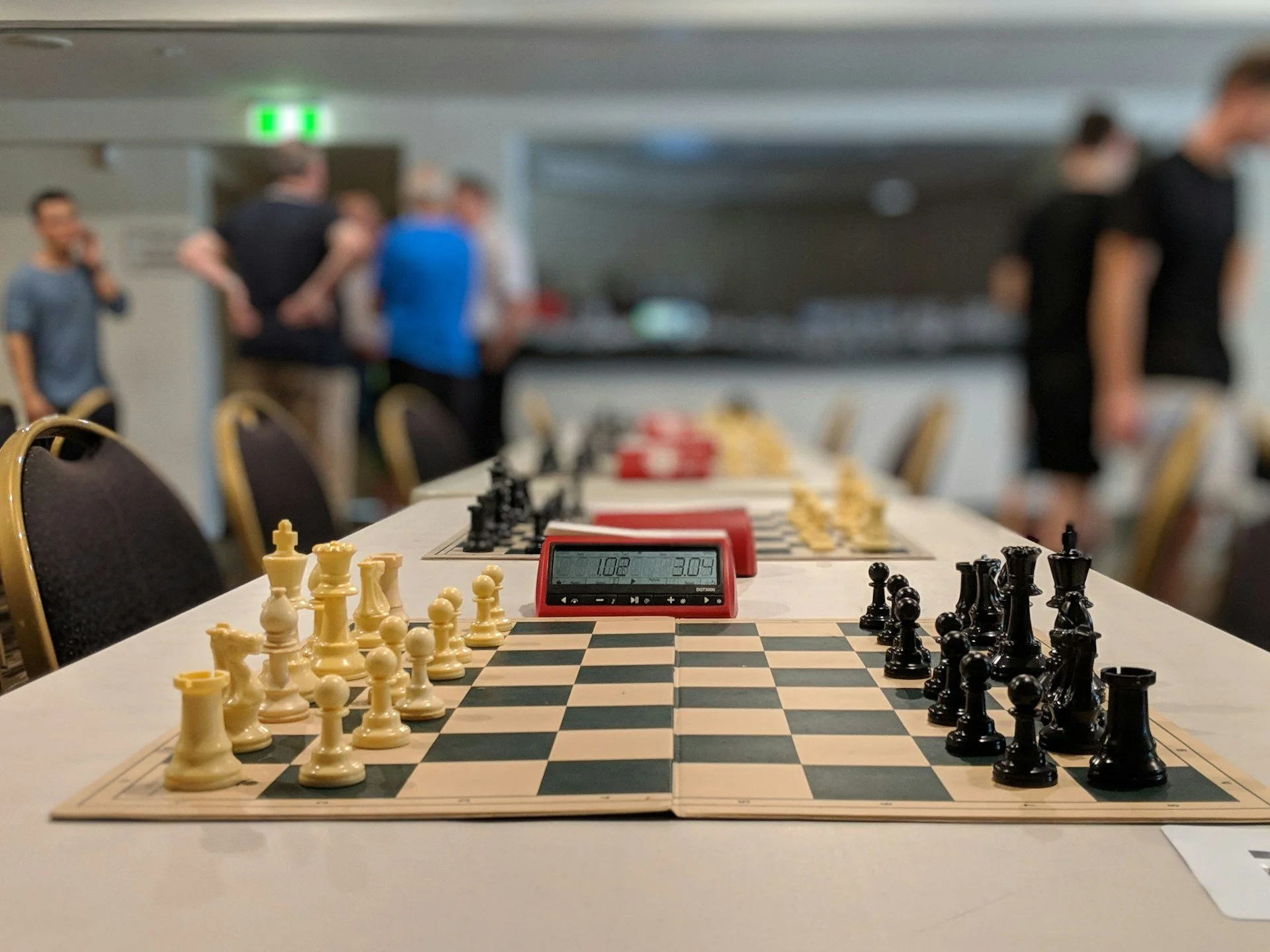
During these weeks, we also want at least one game per week with a real chess clock and notation. Time controls like G/30 or G/45 are common at scholastic chess tournaments in Manhattan, at schools and local clubs, including events at places like Hunter and other well‑known city sites. Practicing at those time controls at home or in online training sessions helps kids feel that a tournament game is “just like practice.” You can explore typical US Chess tournament formats and time controls here.
At United States Chess Academy, we design group classes, training ladders, and practice games to fit this 2, 3‑week rhythm. Instead of one big lesson and nothing else, kids get repeated chances to play, review, ask questions, and fix common mistakes.
First Tournament Strategy: Sections, Ratings, and Mindset
As families look at tournament flyers, the section list can feel confusing. Unrated, Under 500, Under 800, Championship, Open, mixed youth and adult events, it is a lot of choices.
Here is a simple way to think about sections for a first USCF event:
Completely new to rated play and still shaky with notation? The unrated section is usually best.
Comfortable with basic rules, have played many slow games in class, but no rating yet? Unrated or the lowest rating‑capped section, such as Under 500, can be a good fit.
Already have an online or club rating and win often against classmates? A middle section, such as Under 800, might be right.
We always tell parents: choose the section that matches your child’s current strength, not their dreams. Playing in too strong a section too early can feel overwhelming. It is better to build confidence step by step.
Ratings are another big topic. USCF ratings jump around a lot in the first few tournaments, so the early events are more like a measurement than a final judgment. For the first 1, 3 tournaments, it helps to set expectations like:
The goal is to complete all rounds, not to win the whole event
The rating is just a starting number and will move as they play more
Learning how to sit, think, and manage time is more important than the final score
Good first‑tournament goals might include:
Use the clock wisely, no blitzing in the opening
Keep hands off the pieces while thinking
Ask the tournament director for help instead of arguing with an opponent
Stay respectful and polite the whole day
In Manhattan, fall weekends are full of scholastic tournaments at schools and community centers, plus citywide events that attract players from every borough. Our coaches help families look at event calendars, plan travel times, and pick tournaments that offer a gentle entry into the rated scene. That might mean starting with a smaller local event before trying a larger multi‑section tournament.
Week 4 Game Simulations and Tournament Readiness Check
By Week 4, it is time for a “mock tournament” week. The idea is to make the first real event feel familiar, not scary.
You can run this at home or use club sessions or group training blocks. A simple mock event might include:
Two or three serious games played on different days
Real clocks and notation for each game
No talking or side activities during the game
A short post‑game chat to look at turning points
This week is also perfect for a pre‑tournament checklist. Pack and review things like:
Scoresheets or a notebook, plus extra pencils
Simple, non‑messy snacks and a water bottle
A sweater or light jacket in case the room is cold
A watch or phone for parents to manage round times
Go over key rules your child will use:
Touch‑move and touch‑take,
When to stop the clock and call the director
How to offer and accept a draw
What to do if something on the board seems wrong
For study time, keep it narrow. Stick to 1 or 2 main openings with clear, simple plans, not deep theory. Review just a handful of core endgames, such as basic checkmates and king and pawn endings that kids saw in camp. Around this time, we are doing the same in class, trimming down to the most practical ideas as we head into popular city events and our own recommended tournaments.
When Week 4 lines up with an actual event date, like a local school tournament, a Hunter event, or a nearby scholastic Swiss in Manhattan, kids feel like their training pointed to something real, not just endless practice.
Turn Camp Momentum Into a Fall Tournament Plan
Once this 4‑week bridge is done, the next step is to keep things going, not to stop. Families can pick one clear move forward, like committing to a specific fall event, choosing a class track that matches their child’s level, or planning a game review session with a coach before deciding on a section.
At United States Chess Academy, we want parents to see this bridge as the start of a season, not the end of summer. When kids go from camp, to a focused month of training, to their first or next USCF tournaments in Manhattan, they build skills that last: confidence at the board, patience under pressure, and a real joy for competitive chess.
Advance Your Child’s Chess Skills With Competitive Play
If your player is ready to test their knowledge in real games, explore our upcoming chess tournaments in Manhattan. At United States Chess Academy, we create a structured, supportive environment where students learn to think critically under tournament conditions. Review our schedule, choose the right section for your child, and reach out if you have questions about ratings or sections. If you are unsure where to begin or need help with registration details, please contact us.